
Tour du Mont Blanc Self-Guided Tour: A Comprehensive Plan
Embark on an unforgettable adventure! This guide details planning a self-guided Tour du Mont Blanc (TMB) hike, covering logistics, preparation, and maximizing your experience.
Macs Adventure, a leading tour operator, has seen significant growth in self-guided TMB tours, indicating a rising preference for independent exploration.
The Tour du Mont Blanc (TMB) is a legendary multi-day hiking trail circling the Mont Blanc massif, traversing through France, Italy, and Switzerland. This iconic route, approximately 170 kilometers (106 miles) in length, offers breathtaking alpine scenery, charming villages, and a challenging yet rewarding experience for hikers of varying levels.
Considered one of the most popular long-distance hikes globally, the TMB attracts adventurers seeking immersion in the European Alps. Its appeal lies in the diverse landscapes encountered – from lush valleys and wildflower meadows to rugged mountain passes and glacial terrain. Many choose to experience the TMB through self-guided tours, allowing for flexibility and personal pace. Companies like Macs Adventure facilitate this, experiencing record growth in this area.
Planning a TMB adventure requires careful consideration, but the stunning vistas and sense of accomplishment make it an unforgettable journey.
Why Choose a Self-Guided Tour?
Opting for a self-guided Tour du Mont Blanc offers unparalleled freedom and flexibility. Unlike traditional guided tours, you dictate your pace, allowing for spontaneous detours and extended stays in picturesque villages. This independence appeals to hikers who prefer a more personalized experience, tailoring the journey to their fitness level and interests.
Companies like Macs Adventure specialize in providing the logistical support needed for a successful self-guided trek – pre-booked accommodations, detailed route notes, and baggage transfer services. This removes the stress of planning and allows you to fully immerse yourself in the hike.
The increasing popularity of self-guided TMB tours, evidenced by Macs Adventure’s growth, demonstrates a desire for autonomy and a deeper connection with the trail.
TMB Route Overview & Variations
The Tour du Mont Blanc (TMB) is a roughly 170-kilometer (106-mile) circuit encompassing France, Italy, and Switzerland. The classic route typically takes 11 stages to complete, circling the Mont Blanc massif. However, the TMB isn’t a rigid path; variations cater to different abilities and time constraints.
Shorter options exist, focusing on specific sections of the trail, ideal for those with limited time. Conversely, longer routes incorporate additional peaks and valleys, offering a more challenging and immersive experience. Route choices impact daily mileage and elevation gain.
Careful consideration of these variations is crucial when planning a self-guided tour, ensuring the chosen itinerary aligns with your fitness and desired level of difficulty.
Classic TMB Route (11 Stages)
The traditional 11-stage TMB route offers a balanced experience, averaging around 15-20 kilometers (9-12 miles) per day. Stages vary in difficulty, with some involving significant elevation gain and challenging terrain. Typically, the circuit begins in Les Houches, France, progressing through iconic locations like Champex-Lac in Switzerland and Courmayeur, Italy.
Daily stages often conclude in charming villages or mountain refuges, providing accommodation and opportunities to experience local culture. This structure allows for manageable daily hikes, interspersed with rest and recovery.
Detailed stage guides are readily available, outlining distances, elevation profiles, and points of interest, essential for self-guided hikers.
Shorter & Longer Route Options
For those with limited time or preferring a less strenuous hike, shorter TMB variations exist, typically focusing on specific sections of the circuit. These might involve utilizing lifts or transportation to bypass challenging ascents, reducing daily mileage. Conversely, experienced hikers can extend the TMB by incorporating side trails and peaks, adding extra days and difficulty.
Popular extensions include ascents of Mont Blanc itself or exploring less-traveled valleys. These options demand greater fitness and navigational skills. Customizing the route allows tailoring the adventure to individual preferences and capabilities.
Careful planning is crucial when deviating from the classic route, ensuring adequate supplies and accommodation.
Best Time to Hike the TMB
The optimal window for hiking the Tour du Mont Blanc is typically from mid-June to mid-September. This period offers the most favorable weather conditions, with warmer temperatures and reduced snow cover at higher altitudes. July and August are the warmest and driest months, but also the busiest, leading to crowded trails and fully booked accommodations.
June and September provide a good balance of pleasant weather and fewer crowds, though there’s a higher chance of encountering snow patches early or late in the season. Hiking outside this timeframe is possible, but requires significant experience and preparedness for potentially challenging conditions.
Fitness & Preparation
The Tour du Mont Blanc demands a good level of physical fitness. Expect daily hikes of 15-25 kilometers (9-16 miles) with significant elevation gain and loss. A base level of cardiovascular fitness is crucial, alongside strong leg and core muscles. Prior hiking experience, particularly with a loaded backpack, is highly recommended.
Begin training several months in advance with regular hikes, gradually increasing distance and elevation. Incorporate strength training exercises focusing on legs, core, and back. Practice hiking with the gear you plan to carry to simulate trail conditions. Don’t underestimate the challenge – proper preparation is key to enjoying the TMB!

Required Fitness Level
Successfully completing the Tour du Mont Blanc requires a substantial fitness base. Hikers should comfortably walk for 6-8 hours daily over varied terrain, including steep ascents and descents. The ability to carry a backpack weighing 8-12 kg (18-26 lbs) is essential. Prior experience with multi-day hiking trips is strongly advised.
A good indicator is being able to consistently hike 15-20 kilometers (9-12 miles) with 500-800 meters (1640-2625 feet) of elevation gain, several times before the trek. Cardiovascular endurance and muscular strength are paramount. Assess your current fitness honestly and prepare accordingly!
Training Recommendations
Prepare for the TMB with a progressive training plan. Begin several months in advance, focusing on building endurance and strength. Incorporate regular hikes with increasing distance and elevation gain, simulating trail conditions. Include back-to-back hiking days to acclimate your body to consecutive exertion.
Strength training, particularly targeting legs, core, and back, is crucial. Exercises like squats, lunges, and planks will enhance stability and prevent injuries. Don’t forget cardiovascular workouts like running or cycling. Practice hiking with a weighted backpack to simulate the load you’ll carry on the trail.
Essential Gear Checklist
Pack strategically for varied mountain conditions. A comfortable, broken-in hiking backpack (50-70 liters) is paramount. Invest in waterproof hiking boots with good ankle support. Layered clothing – moisture-wicking base layers, insulating mid-layers, and a waterproof/windproof outer shell – is essential.
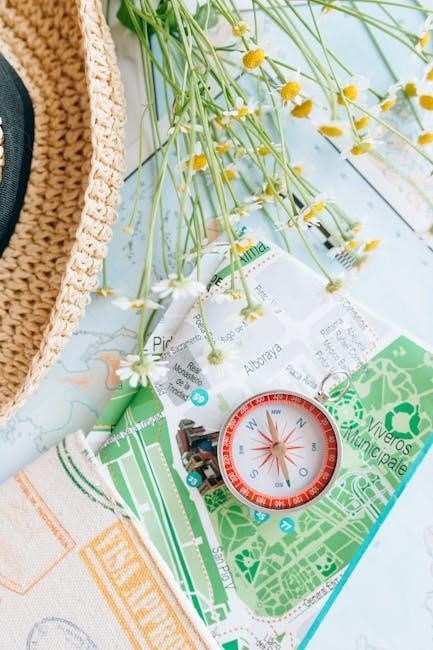
Don’t forget trekking poles for stability and reducing strain on your knees. Essential accessories include a headlamp, sunscreen, sunglasses, a hat, and gloves. Carry a first-aid kit, blister treatment, and a map/compass (or GPS device). A reusable water bottle or hydration reservoir is vital for staying hydrated on the trail.
Accommodation Options
Choose lodging to suit your budget and preference. Refuges (mountain huts) offer a social atmosphere and basic amenities – dorm-style sleeping, meals, and showers – but require reservations well in advance. They provide a unique experience, immersing you in the mountain culture. Alternatively, hotels and guesthouses in the villages along the TMB route offer more privacy and comfort.
These village accommodations range from budget-friendly options to luxurious hotels. Booking in advance is highly recommended, especially during peak season. Consider a mix of both refuge stays and village lodging for a varied experience, balancing rustic charm with modern convenience.
Refuges (Mountain Huts)
Experience mountain life firsthand! Refuges are a cornerstone of the TMB, providing essential shelter and camaraderie. Expect dorm-style accommodation, typically with shared bathrooms and limited privacy. Meals – dinner and breakfast – are usually available and highly recommended, offering hearty, locally-sourced cuisine.
Reservations are absolutely crucial, often needing to be made months in advance, particularly for popular refuges during peak season. Be prepared for basic facilities; showers may require a small fee, and electricity can be limited. Refuges foster a social atmosphere, allowing hikers to share stories and experiences, enhancing the overall TMB journey.
Hotels & Guesthouses in Villages
Enjoy comfort and local charm! For those preferring more privacy and amenities, hotels and guesthouses in the villages along the TMB route offer a welcome alternative to refuges. These establishments range from budget-friendly options to more luxurious accommodations, catering to diverse preferences and budgets.
Booking in advance is still advisable, especially during peak season, though often less critical than refuge reservations. Village stays provide opportunities to immerse yourself in local culture, sample regional cuisine, and enjoy a more relaxed pace. They also allow for easier access to resupply points and laundry facilities, enhancing comfort during your trek.
Booking & Logistics
Plan ahead for a smooth journey! Successfully navigating a self-guided TMB requires careful booking and logistical planning. You can choose between self-booking all accommodations and transport, or utilizing a tour operator like Macs Adventure, experiencing record-breaking growth in this area.
Self-booking demands significant time and effort, securing refuges and transport independently. Tour operators simplify the process, handling reservations and providing detailed itineraries. Transportation to and from trailheads requires consideration; options include flights to Geneva, then buses or trains to starting points like Chamonix or Les Houches. Pre-booking transport is highly recommended.
Self-Booking vs. Tour Operators (Macs Adventure)
Decide what suits your style! Self-booking the Tour du Mont Blanc offers ultimate flexibility, allowing customization of pace and accommodation. However, it’s time-consuming, requiring securing refuges and transport independently, potentially facing availability issues. Conversely, tour operators like Macs Adventure, a leading provider, streamline the process.
Macs Adventure has experienced unprecedented North American growth, demonstrating the appeal of their comprehensive service. They handle bookings, provide detailed itineraries, and offer support. While more expensive, this option reduces stress and ensures a well-organized trek. Consider your experience, time constraints, and comfort level when choosing.
Transportation to/from Trailheads
Planning your journey is key! Reaching the Tour du Mont Blanc trailheads requires careful consideration. Popular starting points like Chamonix, France, are accessible via Geneva Airport (GVA), with bus or train connections. Les Houches, another common start, is easily reached from Chamonix by local transport. Courmayeur, Italy, is served by buses from Aosta.
Consider pre-booking transport, especially during peak season, to avoid delays. Buses and trains are generally reliable, but schedules can be infrequent in some areas. Factor in travel time when planning your itinerary. Returning from the finish point often involves similar routes, requiring advance planning for onward travel.
Daily Itinerary Considerations
Pace yourself for success! Daily distances on the TMB vary significantly, ranging from 9 to 22 kilometers. Account for elevation gain and loss, which can dramatically impact hiking time. Shorter days allow for more enjoyment of the scenery and rest, while longer days require greater fitness.
Refuge availability dictates some itinerary choices, so book accommodations well in advance. Consider incorporating rest days in villages to resupply, recover, and explore local culture. Flexibility is crucial; weather conditions can necessitate altering your planned route. Always check weather forecasts before setting out each day.
Navigation & Trail Marking
Stay on the right path! The Tour du Mont Blanc is generally well-marked with red and white blazes, but relying solely on these isn’t sufficient. A detailed map and compass, or a GPS device with pre-loaded routes, are essential for confident navigation. Familiarize yourself with map reading skills before your trek.
Download offline maps on your smartphone as a backup, but conserve battery life. Trail conditions can change, and markings may occasionally be obscured by snow or vegetation. Be prepared to use your navigational tools to confirm your location and direction, especially during inclement weather.
Food & Water on the TMB
Fuel your adventure! Carrying sufficient food and water is crucial. Refuges offer meals and snacks, but they can be expensive and crowded. Pack high-energy snacks like nuts, dried fruit, and energy bars. Water sources are available, but purification tablets or a filter are vital, as water quality can vary.
Plan your resupply points in villages along the route. Consider the distance between shops and refuges. Be mindful of carrying weight; balance food needs with pack weight. Hydrate frequently, even if you don’t feel thirsty, to prevent altitude sickness and maintain energy levels throughout your daily hikes.
Budgeting for a TMB Self-Guided Tour
Plan your finances! A self-guided TMB tour’s cost varies greatly. Accommodation is a major expense; refuges (€60-€80/night) are pricier than guesthouses (€40-€60/night). Food costs depend on refuge meals versus self-catering (€20-€40/day).
Transportation (flights, transfers) adds significantly to the budget. Factor in costs for maps, permits (if required), and potential emergency funds. A reasonable estimate for a 11-day tour ranges from €1200 to €2000+, depending on your choices. Utilizing tour operators like Macs Adventure may offer package deals, but self-booking can potentially save money.
Potential Challenges & Safety
Be prepared for the unexpected! The TMB presents challenges like unpredictable mountain weather – be ready for rain, cold, and sun. Altitude sickness is a risk; acclimatize gradually. Trail conditions vary, including steep ascents/descents and rocky terrain, demanding good fitness.
Navigation errors are possible; carry maps, a compass, or a GPS device. Ensure you have adequate travel insurance covering mountain rescue. Inform someone of your itinerary and check weather forecasts daily. Be aware of wildlife and potential hazards like falling rocks. Prioritize safety and be prepared to adjust plans if needed.
Responsible Hiking & Leave No Trace
Protect this pristine environment! Practice Leave No Trace principles throughout your TMB trek. Pack out everything you pack in – all trash, food scraps, and waste; Stay on marked trails to avoid damaging fragile ecosystems. Minimize campfire impacts, ideally using a stove for cooking.
Respect wildlife by observing from a distance and never feeding animals. Be considerate of other hikers and local communities. Properly dispose of human waste using designated facilities or cat holes; Support local businesses and contribute to the preservation of this stunning region for future generations.
Resources & Further Information
Plan your adventure with these helpful links! Explore the official Tour du Mont Blanc website for detailed route information and updates. Macs Adventure ([https://www.macsadventure.com/](https://www.macsadventure.com/)) offers comprehensive self-guided tour options and logistical support. Consult online hiking forums and communities for firsthand experiences and trail conditions.
HP Support Community ([https://community.hp.com/](https://community.hp.com/)) can assist with printer driver issues encountered during trip planning. Utilize mapping apps like Gaia GPS or ViewRanger for navigation. Remember to check weather forecasts before and during your hike. Prepare thoroughly and enjoy the majestic beauty of the TMB!