
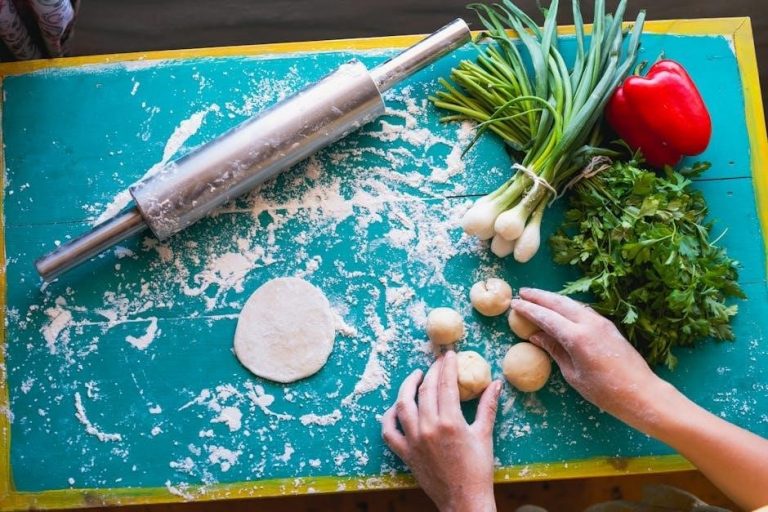
Rolling pins with guides are innovative baking tools, ensuring consistent dough thickness and precision for both novice and experienced bakers. They simplify dough preparation!
What is a Rolling Pin with Guides?
A rolling pin with guides is a specialized baking utensil designed to deliver uniformly rolled dough. Unlike traditional pins, these feature adjustable rings or etched markers that dictate dough thickness. This innovative design simplifies baking, offering precision for pastries, pies, and breads. They are popular among bakers seeking consistent results, ensuring even baking and professional-looking creations, making it an essential asset.
Why Choose a Rolling Pin with Guides?
Opt for a rolling pin with guides to effortlessly achieve precise and consistent dough thickness, eliminating guesswork. These pins are ideal for recipes demanding accuracy, like pie crusts or pasta. They benefit both beginners and seasoned bakers, simplifying the rolling process and guaranteeing even baking results, ultimately enhancing your culinary creations.
Benefits of Using a Rolling Pin with Guides
Rolling pins with guides deliver even dough thickness, precision for recipes, and ease of use – perfect for consistent baking and simplified dough preparation!
Ensuring Consistent Dough Thickness
Rolling pins with guides excel at providing uniform dough thickness, a crucial element for successful baking. Adjustable rings or etched markers eliminate guesswork, preventing unevenly baked goods. This feature is particularly valuable for pastries like pie crusts and cookies, where consistent thickness is paramount for even cooking and a professional finish. Achieving perfect results becomes significantly easier!
Precision for Specific Recipes
Rolling pins with guides offer bakers precise control, essential for recipes demanding specific dough thicknesses. Whether crafting delicate pasta sheets or perfectly sized pie crusts, the adjustable rings ensure accuracy. This eliminates the frustration of transferring dough only to discover it’s incorrectly sized, guaranteeing optimal results every time and simplifying complex recipes.
Ease of Use for Beginners
Rolling pins with guides are incredibly user-friendly, particularly for novice bakers. The integrated guides eliminate guesswork, providing a visual aid for achieving consistent dough thickness. This simplifies the rolling process, building confidence and reducing errors. Beginners can quickly create professional-looking pastries and breads with minimal effort and maximum success!

Types of Rolling Pins with Guides
Rolling pins with guides come in adjustable ring, marked/etched measurement, and removable guide ring systems, offering varied precision and convenience for bakers.
Adjustable Ring Rolling Pins
Adjustable ring rolling pins feature removable rings that set desired dough thickness, offering versatility for diverse recipes. These pins excel at creating uniform crusts and consistent pastry layers. The rings easily screw on and off for storage, making them a practical choice. They’re ideal for achieving precise measurements, especially for pie crusts and ensuring even baking results.
Marked Rolling Pins with Etched Measurements
Marked rolling pins boast etched measurements directly onto the wood, eliminating the need for separate rings. This design provides a clear visual guide for achieving precise dough dimensions, crucial for recipes like pie crusts where accurate sizing is essential. They are easy to clean and offer a streamlined, convenient baking experience.
Removable Guide Ring Systems
Removable guide ring systems offer versatility, allowing bakers to adjust dough thickness easily. These systems typically include multiple rings that attach to both ends of the pin, providing consistent rolling depth. Convenient storage is often a benefit, as the pieces screw on together for compact keeping.
Materials Used in Rolling Pins with Guides
Rolling pins with guides come in wood, stainless steel, and silicone. Each material offers unique benefits regarding weight, durability, and ease of cleaning.
Wood Rolling Pins with Guides
Wood rolling pins with guides, like the Joseph Joseph model, offer a classic feel and are often favored for their aesthetic appeal. These pins frequently feature etched measurements directly onto the wood, providing precise guidance during rolling. They are generally easy to clean, though require careful handwashing and occasional oiling to maintain their quality. The 13.5-inch pin length is common, offering good control.
Stainless Steel Rolling Pins with Guides
While less common than wood or silicone, stainless steel rolling pins with guides offer exceptional durability and hygiene. Steel doesn’t absorb odors or stains, making them ideal for various doughs. Guide rings, if present, are typically removable for easy cleaning. They provide a sleek, modern aesthetic and maintain a cool temperature during use, potentially preventing sticking.
Silicone Rolling Pins with Guides
Silicone rolling pins with guides are praised for their non-stick properties, making them excellent for delicate doughs like pasta or pastry. They are lightweight and comfortable to grip, often featuring integrated guide rings for consistent thickness. Silicone is also heat-resistant and dishwasher-safe, offering convenient cleaning and maintenance.
Key Features to Consider
When selecting a rolling pin with guides, prioritize pin length, diameter, guide adjustability, and ease of cleaning for optimal baking performance and convenience.
Length and Diameter of the Pin
The overall length, including handles, impacts leverage and control; a 16.5-inch pin, with a 13.5-inch rolling surface, offers a good balance. Diameter influences dough thickness – wider pins roll thicker, narrower, thinner. Consider your typical baking projects; larger doughs benefit from longer pins, while smaller tasks suit shorter ones. Choose a diameter comfortable for your hand strength and desired results;
Adjustability of the Guides
Adjustable ring systems provide versatility for varying dough thicknesses, crucial for diverse recipes like pie crusts and pasta. Removable guides offer convenience, while etched measurements provide permanent precision; Ensure guides lock securely to prevent slippage during rolling. A wider range of adjustability caters to more baking needs, enhancing the pin’s overall usefulness.
Ease of Cleaning and Maintenance
Simple cleaning is vital for hygiene. Look for pins with smooth surfaces and detachable guides for thorough washing. Materials like stainless steel and silicone are naturally easier to sanitize than wood. Proper drying prevents mildew. Regular cleaning extends the pin’s lifespan, ensuring consistent performance and maintaining food safety standards in your kitchen.

Popular Brands and Models
Joseph Joseph and OXO Good Grips are highly-rated brands offering adjustable rolling pins with guides, praised for their quality, ease of use, and durability.
Joseph Joseph Rolling Pin with Guides
The Joseph Joseph Rolling Pin, measuring 16.5 inches, features etched measurements directly onto the wood, ensuring precise dough sizing – crucial for perfect pie crusts! Its 13.5-inch wooden pin and removable guide rings simplify rolling and storage. Bakers appreciate its ease of cleaning, making it a practical and reliable choice for consistent results.
OXO Good Grips Adjustable Rolling Pin with Guides
While specific details about the OXO model weren’t directly provided, rolling pins with guides generally offer adjustable rings for customized dough thickness. Users often praise these systems for their ease of use and storage solutions, like screw-on pieces. Many bakers recommend this brand after seeing it used in recipes, anticipating excellent results!
Other Recommended Brands
Beyond Joseph Joseph and OXO, numerous brands offer quality rolling pins with guides. Online discussions reveal positive experiences with various models found on platforms like Amazon. User testimonials highlight features like easy cleaning and helpful etched measurements, crucial for precise dough sizing, especially for pie crusts. Exploring options ensures finding the perfect fit!
How to Use a Rolling Pin with Guides Effectively
Properly prepare your dough, set the guide rings to the desired thickness, and utilize a consistent rolling technique for optimal, even results every time.
Preparing the Dough
Before utilizing a rolling pin with guides, ensure your dough is properly chilled and has rested. This allows the gluten to relax, preventing excessive shrinkage during rolling. Lightly flour both the work surface and the dough itself to avoid sticking. A smooth, pliable dough will yield the best, most consistent results when paired with guided rolling.
Setting the Guide Rings
Adjustable guide rings are key to a rolling pin’s precision. Slide the rings onto the pin, ensuring they are securely fastened. Select the desired thickness by referencing your recipe or preferred outcome. For marked pins, align the measurements with your desired width. Double-check the settings before commencing to guarantee accuracy.
Rolling Technique for Optimal Results
Begin by gently pressing down with even pressure, rolling away from yourself. Utilize the guides to maintain consistent thickness throughout. Avoid lifting the pin; instead, reposition and continue rolling. Rotate the dough frequently for uniform expansion. Lightly flour the surface and pin to prevent sticking, ensuring smooth, effortless rolling.
Cleaning and Care Instructions
Hand wash your rolling pin with mild soap and warm water, then thoroughly dry it. Avoid prolonged soaking to preserve the material’s integrity.
Proper Cleaning Methods
To maintain your rolling pin with guides, gentle hand washing is best. Use warm, soapy water and a soft sponge to remove dough residue. Avoid abrasive cleaners, which can damage the surface. For adjustable rings, detach them for individual cleaning. Ensure complete drying before storage to prevent mildew or warping, preserving its functionality and longevity.
Storage Recommendations
Proper storage extends the life of your rolling pin with guides. Store it in a cool, dry place, away from direct sunlight or heat. If detachable, store rings with the pin for easy access. Avoid stacking heavy items on top, which could damage the guides. A dedicated drawer or hanging space is ideal!
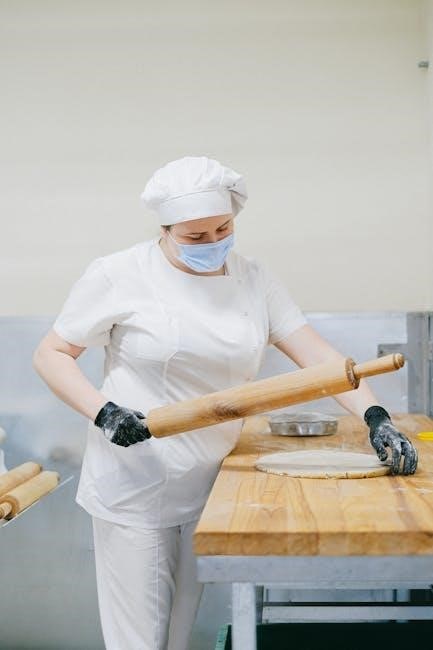
Troubleshooting Common Issues
Guides slipping or dough sticking are common. Ensure rings are securely fastened and lightly flour the pin and dough to prevent unwanted adhesion during rolling.
Guides Slipping or Moving
If the guide rings are consistently slipping or moving during use, double-check that they are firmly screwed onto the rolling pin. Ensure a snug fit before beginning to roll your dough. Applying gentle pressure while rolling, rather than excessive force, can also help maintain the guides’ position.
Dough Sticking to the Pin
To prevent dough from sticking, lightly flour the work surface and the rolling pin itself before use. For particularly sticky doughs, consider chilling the dough and the pin briefly. A light coating of cooking spray or oil can also create a non-stick barrier, ensuring smooth rolling.
Rolling Pins with Guides vs. Traditional Rolling Pins
Rolling pins with guides offer precision and consistent thickness, while traditional pins rely on skill. Guides are ideal for beginners and specific recipes needing accuracy.
A Comparative Analysis
Traditional rolling pins demand practiced technique for uniform dough, whereas rolling pins with guides provide built-in assistance, guaranteeing even thickness effortlessly. While traditional pins offer greater flexibility for freehand shaping, guided pins excel in precision for pastries, pies, and pasta. The choice depends on baking skill and recipe requirements; guides simplify tasks for beginners.
When to Choose Each Type
Opt for a rolling pin with guides when consistent dough thickness is crucial – think pie crusts, consistent cookies, or pasta. Traditional pins suit freeform baking like pizza or rustic breads where perfect uniformity isn’t essential. Beginners benefit greatly from guided pins, while experienced bakers might prefer traditional control.

Cost and Value
Rolling pins with guides typically range from $20 to $60, depending on material and features. Value depends on baking frequency and desired precision.
Price Range of Rolling Pins with Guides
The cost of a rolling pin with guides varies considerably, influenced by brand, materials, and included features. Basic models with etched measurements can start around $20-$30. Adjustable ring systems, particularly those made from stainless steel, generally fall within the $35-$50 range. Premium options, like those from Joseph Joseph or OXO, may exceed $60. Considering your baking needs and budget is crucial when selecting a rolling pin.
Determining Value for Your Needs
Assess your baking frequency and complexity to determine value. Occasional bakers might benefit from a simpler, affordable model with etched guides. Frequent bakers or those tackling precise recipes—like pastries—should invest in adjustable rings for consistent results. Consider material durability; stainless steel offers longevity. Prioritize ease of cleaning and storage too!
Where to Buy Rolling Pins with Guides
Rolling pins with guides are readily available at major online retailers like Amazon, and in brick-and-mortar stores specializing in kitchenware and baking supplies.
Online Retailers
Numerous online retailers offer a diverse selection of rolling pins with guides. Amazon consistently features popular brands like Joseph Joseph and OXO, alongside various other options. Websites specializing in baking equipment, such as King Arthur Baking, also provide curated choices. Checking multiple platforms allows price comparison and access to customer reviews, aiding informed purchasing decisions for the perfect pin.
Brick-and-Mortar Stores
Major retailers like Williams Sonoma and Sur La Table frequently stock rolling pins with guides, offering a chance to physically assess the quality and feel before buying. Department stores with robust kitchen sections, such as Macy’s, may also carry select models. Local baking supply stores often provide expert advice and specialized options unavailable elsewhere.
Recipes Perfect for Rolling Pins with Guides
Rolling pins with guides excel in recipes demanding precise dough thickness, like pie crusts and pasta. Consistent results elevate baking to professional levels!
Pie Crusts
Achieving a perfectly even pie crust relies heavily on consistent dough thickness, making a rolling pin with guides invaluable. The adjustable rings guarantee uniform rolling, preventing soggy bottoms or uneven baking. Precise measurements, often etched directly onto the pin, eliminate guesswork when transferring dough to the pie plate, ensuring a flawless fit every time.
Pasta Dough
Creating homemade pasta demands consistently thin and even sheets, a task simplified by a rolling pin with guides. Adjustable rings allow precise control over dough thickness, crucial for various pasta types like lasagna or delicate ravioli. Consistent rolling ensures uniform cooking and a superior texture, elevating your pasta dishes to professional quality.
Future Trends in Rolling Pin Design
Expect “smart” rolling pins with integrated measurement systems and potentially, automated adjustments for optimal dough thickness, enhancing precision and ease of use.
Smart Rolling Pins
The future of rolling pins leans towards integration with technology, resulting in “smart” designs. These innovative tools could feature built-in sensors to detect dough consistency and automatically adjust rolling pressure. Imagine a rolling pin connected to an app, offering guided recipes and precise thickness settings! Such advancements promise effortless baking, eliminating guesswork and ensuring consistently perfect results for even the most complex pastries.
Integrated Measurement Systems
Future rolling pin designs may incorporate permanently etched or digitally displayed measurements directly onto the pin’s surface. This eliminates the need for separate guide rings or rulers, streamlining the baking process. Such integrated systems would offer bakers immediate visual feedback on dough thickness, ensuring accuracy and simplifying recipe execution for consistent, professional-quality results every time.