

Understanding California Rental Application Forms
California rental applications, often available as a free PDF download, are crucial documents landlords utilize to vet potential tenants․
These forms gather essential information, ensuring a thorough screening process and aiding in responsible property management decisions throughout the state․
What is a California Rental Application Form?
A California Rental Application Form is a standardized document landlords employ to collect detailed information from prospective tenants․ This form serves as the initial step in the tenant screening process, allowing property owners and managers to assess a candidate’s suitability for occupancy․
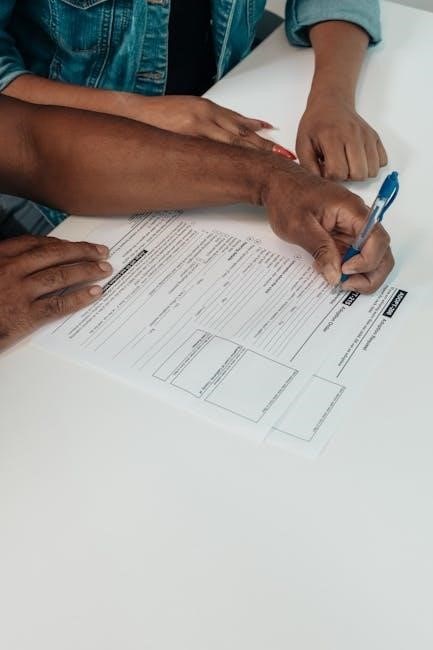
Typically available as a free PDF download from various online sources, the application requests comprehensive data․ This includes personal details like name, contact information, and identification, alongside crucial rental and employment history․
Landlords utilize this information to verify income, assess creditworthiness, and confirm past rental behavior․ The form is designed to comply with California’s specific housing laws, ensuring fair and legal tenant selection practices․ It’s a vital tool for minimizing risks and securing reliable renters․
Why Use a PDF Format?
Utilizing a PDF (Portable Document Format) for California rental applications offers significant advantages for both landlords and applicants․ PDFs ensure consistent formatting across all devices and operating systems, preventing alterations to the form’s layout during transmission or printing․
This format preserves the integrity of the application, safeguarding against unauthorized changes to submitted information․ A free PDF version is easily downloadable and printable, making it accessible to a wider range of applicants, regardless of their software capabilities․
PDFs also facilitate easy electronic submission, streamlining the application process and reducing paperwork․ Furthermore, they are universally recognized and can be securely stored and archived for future reference, aiding in legal compliance and record-keeping․

Key Components of a California Rental Application
A standard California rental application PDF typically includes sections for personal details, rental history, employment verification, and authorization for credit checks․

Personal Information Section
The personal information section of a California rental application PDF is foundational, requesting details like full legal name, current and previous addresses, date of birth, and contact numbers․
Landlords require this data to accurately identify applicants and establish a clear record for communication throughout the leasing process․
Often, applications will also ask for emergency contact information, ensuring someone can be reached in urgent situations․
Some forms may request Social Security numbers, though California law limits their use primarily for background checks and identity verification, with strict security protocols required․
Providing accurate and complete information in this section is vital, as discrepancies can lead to application denial or delays․
Applicants should double-check all entries before submitting the PDF to avoid potential issues․
Rental History Verification
A critical component of any California rental application PDF is the rental history verification section․ This part requests details about previous residences, typically spanning the last few years․
Landlords seek addresses, landlord contact information (names and phone numbers), and dates of occupancy to assess an applicant’s reliability as a tenant․
Applicants are usually asked to disclose reasons for leaving previous rentals, providing context for their housing transitions․
Honesty is paramount in this section; inaccuracies can be easily discovered through landlord verification and may disqualify an applicant․
Some applications may include a consent form allowing landlords to contact previous property managers for references․
A positive rental history demonstrates responsibility and adherence to lease agreements, significantly strengthening an application․
Employment and Income Details
The employment and income section of a California rental application PDF is vital for assessing an applicant’s financial stability․ Landlords require this information to determine if the applicant can consistently afford the monthly rent․
Applicants typically provide their current employer’s name, address, and phone number, along with their position and length of employment․
Detailed income verification is requested, including salary, wages, or other sources of revenue like alimony or investment income․
Pay stubs or W-2 forms are often required as supporting documentation to validate the income information provided․
Self-employed individuals may need to submit tax returns or profit and loss statements․
Demonstrating a stable and sufficient income is crucial for a successful rental application in California․
Credit Check Authorization
A critical component of most California rental application PDFs is the credit check authorization section․ Landlords utilize credit reports to evaluate an applicant’s financial responsibility and payment history․
This section requires applicants to explicitly consent to a credit check, acknowledging that the landlord will access their credit report from a credit reporting agency․
The authorization typically includes a release of liability, protecting the landlord from any claims arising from the credit check․
Applicants are usually asked to provide their Social Security number and date of birth, which are necessary for accurate identification․
California law regulates the fees landlords can charge for credit checks, ensuring fair practices for applicants․
Providing valid authorization is essential for the landlord to proceed with the application review process․

Legal Considerations for California Rental Applications
California rental applications, including free PDF versions, must adhere to strict fair housing laws and specific state disclosures to ensure legal compliance․
Fair Housing Laws and Non-Discrimination
California’s Fair Employment and Housing Act (FEHA) profoundly impacts rental applications, even those downloaded as a free PDF․ Landlords must not discriminate against applicants based on protected characteristics․
These include race, color, religion, sex, gender identity, sexual orientation, marital status, national origin, ancestry, familial status, source of income, disability, or genetic information․
Rental applications, regardless of their format (like a freely available PDF), cannot contain questions probing these areas․ Asking about familial status, for example, is prohibited․
Landlords should consistently apply the same screening criteria to all applicants, ensuring objectivity․ Utilizing a standardized, legally compliant free California rental application PDF helps maintain fairness and minimizes legal risks․ Ignoring these laws can lead to substantial penalties and legal action․
California Specific Disclosures
When utilizing a free California rental application PDF, landlords must incorporate state-specific disclosures․ These are legally mandated notices provided to applicants before or alongside the application itself․
Common disclosures include bed bug disclosures, mold disclosures, lead-based paint warnings (for properties built before 1978), and information regarding Megan’s Law (registered sex offenders)․
Some cities and counties may require additional disclosures, such as earthquake hazard zones or rent control ordinances․
A comprehensive free PDF rental application designed for California should ideally include space for these disclosures or clearly state where they are provided separately․ Failing to provide these disclosures can invalidate the rental agreement and expose landlords to legal repercussions; Thoroughness is key when navigating California’s rental landscape․
Security Deposit Limits and Regulations
A free California rental application PDF must align with the state’s strict security deposit regulations․ California law limits the maximum security deposit a landlord can charge to two months’ rent for unfurnished properties and three months’ rent for furnished ones․
Landlords must provide a written receipt for the deposit and inform applicants of their right to a written statement detailing any deductions made upon move-out․

The deposit can only be used to cover unpaid rent, damage beyond normal wear and tear, and cleaning costs if the property is left unreasonably dirty․
A well-designed free PDF form will acknowledge these limits and potentially include a section outlining the landlord’s deposit return policy, ensuring compliance and minimizing disputes․

Finding and Downloading Free California Rental Application Forms (PDF)
Numerous online resources offer free California rental application forms in PDF format, providing landlords with convenient access to essential tenant screening tools․
Reputable Online Sources
Several websites specialize in providing legal forms, including California rental applications․ These platforms often offer a variety of templates, allowing landlords to select a form that best suits their needs․

Popular choices include websites dedicated to landlord-tenant law, legal document services, and even some property management software providers․
When searching, look for sites with clear terms of use and privacy policies, ensuring your data is protected․
Examples of potentially useful resources include eForms, LawDepot, and Rocket Lawyer, though it’s crucial to verify the form’s compliance with current California regulations․
Always prioritize sources that regularly update their forms to reflect changes in state and local laws, guaranteeing accuracy and legal defensibility․
Carefully review the source’s reputation and user feedback before downloading any form to ensure its reliability and quality․
Checking Form Validity and Updates
California landlord-tenant laws are subject to change, making it vital to verify the validity of any downloaded rental application form․ Always confirm the form includes current legal requirements and disclosures mandated by the state․
Check the form’s revision date to ensure it’s up-to-date; ideally, it should be revised within the last year․
Compare the form’s content against official California government resources or legal websites specializing in landlord-tenant law․
Pay close attention to sections regarding security deposits, screening fees, and non-discrimination policies, as these are frequently updated․
Outdated forms may lead to legal issues or rejection of the application by potential tenants․
Regularly revisit the source website to check for newer versions and updates, safeguarding against potential legal complications․

Completing the Application Form
Thoroughly read the free California rental application PDF, providing honest and complete details․ Accuracy and legible handwriting are essential for efficient processing․
Providing Accurate Information
When utilizing a free California rental application PDF, meticulous accuracy is paramount․ Landlords rely on the information provided to make informed decisions, and any discrepancies can lead to immediate disqualification․ Ensure all personal details, including names, dates of birth, and contact information, precisely match official documentation like a driver’s license or passport․
Rental and employment history must be verifiable; provide complete and correct addresses and contact details for previous landlords and employers․ Income details should be supported by pay stubs or other official income verification․ Honesty is crucial – misrepresenting information is not only unethical but can also have legal consequences․ Double-check every field before submission to avoid unintentional errors․ A complete and truthful application demonstrates respect for the landlord and increases your chances of approval․
Understanding Required Documentation
A free California rental application PDF will often outline necessary supporting documents․ Typically, landlords request a valid government-issued photo ID, such as a driver’s license or passport, to verify identity․ Proof of income is almost universally required, commonly accepted as recent pay stubs (covering at least two pay periods), employment offer letters, or tax returns for self-employed applicants․
Rental history verification is standard, potentially requiring contact information for previous landlords or copies of lease agreements․ Be prepared to provide a credit report authorization, allowing the landlord to assess your creditworthiness․ Some applications may request bank statements or letters of explanation for any negative credit history․ Carefully review the application instructions to ensure you submit all required documentation promptly, streamlining the approval process․
Submitting the Application
Once a free California rental application PDF is fully and accurately completed, alongside all required documentation, it’s time for submission․ Most landlords specify a preferred method – often email as a scanned PDF attachment, or a secure online portal․ Some may still accept physical copies, but this is becoming less common․
Always confirm the correct submission address or portal link before sending․ Retain a copy of the completed application and all supporting documents for your records․ Follow up with the landlord within a reasonable timeframe (typically 3-5 business days) to confirm receipt and inquire about the processing timeline․ Be polite and professional in all communications, demonstrating your genuine interest in the property․

Landlord’s Responsibilities After Receiving the Application
Upon receiving a completed application, landlords must adhere to California law regarding processing timelines and application fee limitations, ensuring fairness․
Application Processing Timeline
California law doesn’t dictate a strict, fixed timeframe for landlords to process rental applications, however, reasonable diligence is expected․ Prolonged delays can be viewed unfavorably and potentially lead to legal challenges․ A prudent approach involves establishing an internal processing schedule and consistently adhering to it․
Generally, a processing time of 30 days is considered reasonable, allowing for thorough background and credit checks, verification of employment and income, and contacting previous landlords․ Landlords should communicate proactively with applicants regarding the status of their application, especially if additional information is required or if the process is expected to take longer than usual․
Prompt communication fosters transparency and demonstrates respect for applicants’ time․ Failing to respond or providing inconsistent updates can create a negative experience and potentially expose the landlord to claims of unfair treatment․ Maintaining detailed records of the application process, including dates of communication and verification steps, is also crucial for legal protection․
Legal Limits on Application Fees
California law strictly regulates rental application fees, aiming to protect prospective tenants from excessive or unjustified charges․ As of 2024, the maximum allowable application fee is $52․25 per applicant․ Landlords are prohibited from charging fees that exceed this amount, even if multiple applicants are applying for the same unit․
These fees are intended to cover the actual costs associated with processing the application, such as credit reports and background checks․ Landlords must provide applicants with a detailed receipt outlining how the application fee was used․ It’s illegal to charge application fees for services not directly related to the screening process․
Furthermore, if an applicant is not approved, the landlord must return the application fee or provide a written explanation detailing the reasons for denial and how the fee was spent․ Non-compliance with these regulations can result in penalties and legal action․