
Farm Fence Post Spacing Guide ー 2025
This comprehensive 2025 guide details optimal farm fence post spacing, covering various fence types, terrain, livestock, and materials for lasting, secure enclosures․
Establishing effective farm fencing begins with understanding proper post spacing․ This crucial element directly influences a fence’s strength, longevity, and overall cost-effectiveness․ As of December 14, 2025, current best practices recommend spacing ranging from 8 to 12 feet, though this varies significantly․ Factors like terrain, livestock pressure, and chosen post material necessitate adjustments to these general guidelines․
A well-spaced fence minimizes material waste while maximizing structural integrity․ Ignoring these principles can lead to sagging wires, broken posts, and frequent repairs․ This guide provides a detailed overview, helping farmers and ranchers make informed decisions for their specific needs, ensuring a secure and durable perimeter for years to come․
Why Post Spacing Matters
Correct post spacing is paramount for a functional and enduring farm fence․ Improper spacing directly impacts the fence’s ability to contain livestock and deter wildlife, potentially leading to escapes and property damage․ Closer spacing, while increasing initial costs, provides superior stability, particularly crucial for high-pressure animals․ Conversely, wider spacing reduces material expenses but compromises strength․
Post spacing also influences long-term maintenance․ Wider gaps increase the likelihood of sagging and require more frequent repairs due to increased stress on posts and wires․ Ultimately, thoughtful spacing balances initial investment with the anticipated lifespan and upkeep demands of the fence, ensuring a cost-effective solution․
Factors Influencing Post Spacing
Several key factors dictate ideal farm fence post spacing․ Terrain plays a significant role; uneven ground necessitates closer spacing for consistent support․ Livestock type and pressure are critical – high-pressure animals like cattle require tighter spacing than sheep․ The fence post material itself is a determinant; wood, steel T-posts, and high-tensile wire each have different strength characteristics․
Fence style also matters․ Woven wire generally needs more support than high-tensile wire․ Considering these elements ensures a robust fence capable of withstanding environmental stresses and animal impact, maximizing longevity and minimizing repair needs․ Careful assessment of these factors is essential for effective fence design․
Terrain Considerations
Uneven or sloping terrain significantly impacts optimal fence post spacing․ On hilly ground, posts must be placed closer together to maintain consistent fence height and tension․ Valleys and depressions may require additional bracing or intermediate posts to prevent sagging․ Rocky terrain can complicate post installation, potentially necessitating shorter spans between posts to work with the landscape․
Conversely, relatively flat ground allows for wider post spacing․ Thoroughly assess the land’s contours before planning․ Ignoring terrain variations leads to a structurally weak fence prone to failure․ Adapting post spacing to the specific topography ensures a durable and effective barrier, even in challenging landscapes․
Livestock Type & Pressure
The type and pressure exerted by livestock are critical factors in determining appropriate fence post spacing․ High-pressure animals – like bulls or horses – demand closer post spacing and stronger fencing materials than sheep or goats․ Larger animals require more robust support to withstand leaning, rubbing, and potential impacts․
Consider the animal’s tendency to challenge the fence․ Dogs, for example, may dig or attempt to squeeze through gaps, necessitating tighter spacing with woven wire․ Conversely, calmer livestock may allow for wider spans․ Properly assessing livestock behavior and weight is essential for building a secure and long-lasting enclosure․

Fence Post Material
The material used for fence posts significantly influences optimal spacing․ Wood posts, traditionally used, generally require closer spacing – typically 6 to 8 feet apart – due to their lower strength compared to alternatives․ Steel T-posts, however, can accommodate wider spans, often up to 12 feet, particularly when used with barbed wire․
High tensile fencing, utilizing smooth or barbed wire, allows for even greater spacing, potentially reaching 20-30 feet between posts․ The material’s inherent strength and flexibility reduce the need for frequent support․ Selecting the right material and understanding its limitations are crucial for maximizing fence lifespan and minimizing maintenance․
General Post Spacing Guidelines
Establishing general guidelines for farm fence post spacing is complex, varying with fence type and specific needs․ A common starting point suggests 8 to 12 feet between posts for most applications․ However, this is a broad range; high tensile fences can extend to 15-20 feet for field fence styles, and even 20-30 feet for barbed or smooth wire variations․
Woven wire (field fence) typically benefits from closer spacing, while T-posts in barbed wire configurations generally require spacing under 12 feet․ Remember, these are starting points; terrain, livestock pressure, and post material all necessitate adjustments to ensure a robust and long-lasting fence․
Wood Fence Post Spacing
When utilizing wood posts, spacing recommendations generally fall within the 6 to 8 feet range․ This provides adequate support for traditional fencing applications․ However, adjustments are crucial based on livestock type and terrain․ For standard wood fences containing lower-pressure livestock, the wider end of the range – 8 feet – may suffice․
Conversely, for high-pressure livestock, closer spacing – around 6 feet – is recommended to prevent sagging and ensure containment․ Consider the wood’s strength and quality; weaker wood requires closer spacing․ Proper bracing and post depth are also vital complements to appropriate spacing for a durable wood fence․
Standard Wood Post Spacing
For typical wood fence installations, a standard post spacing of 8 feet is frequently employed․ This distance strikes a balance between material cost and structural integrity for general farming applications․ It’s suitable for containing moderately sized livestock and defining property lines where extreme pressure isn’t anticipated․
However, ‘standard’ doesn’t mean universally optimal․ Soil conditions play a role; looser soils may necessitate closer spacing․ Ensure posts are adequately sized and treated for ground contact to prevent rot․ Regularly inspect the fence for signs of sagging or stress, adjusting spacing if needed․ This 8-foot guideline serves as a starting point, adaptable to specific farm needs․
Wood Post Spacing for High-Pressure Livestock
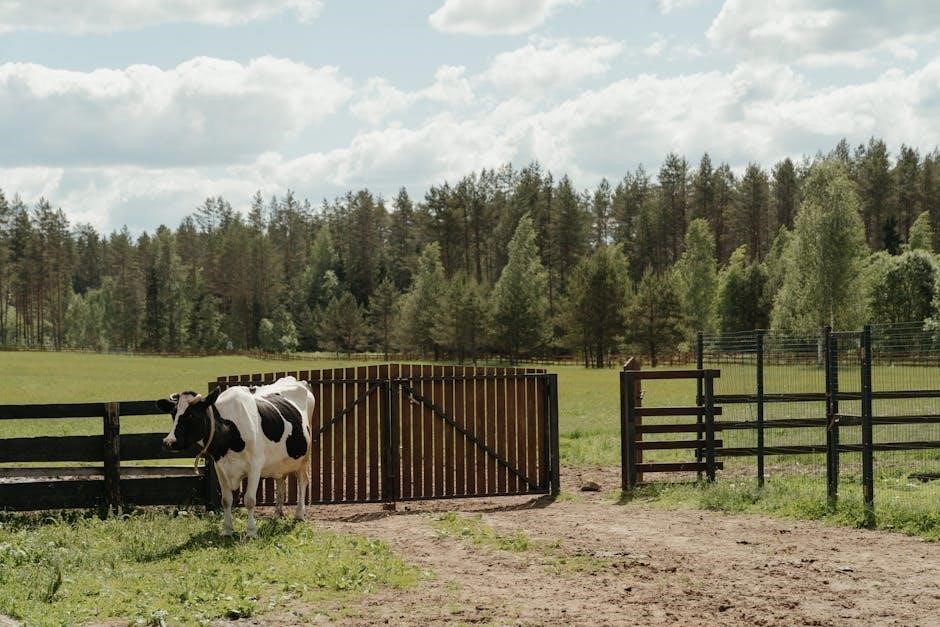
When containing high-pressure livestock – cattle, horses, or animals prone to challenging fences – reducing wood post spacing is crucial․ A tighter spacing of 6 feet significantly enhances the fence’s ability to withstand impact and prevent breakouts․ This closer proximity provides greater support for the fence line, minimizing sag and strain․
Consider using larger diameter posts and deeper post holes for increased stability․ Reinforcing corners and gate posts is also vital․ While this approach increases material costs, it’s a worthwhile investment to avoid livestock escapes and potential damage․ Prioritize safety and containment when dealing with powerful animals․
Woven Wire (Field Fence) Post Spacing
Woven wire, or field fence, requires a strategic post spacing approach for optimal performance․ Generally, line posts can be spaced between 8 to 12 feet apart, but this varies based on terrain and livestock․ Combining sturdy wood posts with lighter-weight T-posts is a common and effective method․ Wood posts, spaced every 50 feet, provide substantial anchor points, while T-posts are inserted at 10-foot intervals between them for continuous support․
For containing sheep and dogs, a tighter spacing of 8 feet or less is recommended․ This prevents them from stretching or crawling under the fence․ Proper tensioning is also critical for woven wire to prevent sagging and maintain its integrity․
Combining Wood and T-Posts
Strategically combining wood and T-posts offers a cost-effective and robust fencing solution․ Wood posts, spaced further apart – typically every 50 feet – provide the primary structural support and anchor points for the fence line․ These are particularly crucial for withstanding significant tension and pressure․ Between the wood posts, T-posts are driven into the ground at intervals of approximately 10 feet․
This configuration leverages the strength of wood for foundational stability while utilizing the affordability and ease of installation of T-posts for consistent support along the entire fence length․ This method is especially beneficial for woven wire fencing, enhancing its longevity and preventing sagging․
Optimal Spacing for Sheep and Dogs
Containing sheep and dogs requires a fence designed to resist both pushing and digging behaviors․ For woven wire (field fence) intended for sheep and dog containment, a tighter post spacing is recommended․ Utilizing wood posts every 50 feet, with T-posts strategically placed every 10 feet between them, creates a robust barrier․
This closer spacing minimizes the potential for the fence to sag or be compromised by determined animals․ Properly braced end posts and corner posts are essential․ The combination of wood and T-posts provides the necessary strength to withstand the unique challenges posed by sheep leaning and dogs testing the fence line’s integrity, ensuring reliable containment․
High Tensile Fence Post Spacing
High tensile fencing offers a cost-effective and durable solution, but proper post spacing is crucial for maximizing its benefits․ Generally, high tensile fences can accommodate wider spacing compared to traditional fencing methods․ For field fence styles utilizing high tensile wire, line posts are typically spaced every 15 to 20 feet․
However, for high tensile barbed and smooth wire configurations, spacing can extend to 20-30 feet․ This wider spacing reduces material costs, but requires robust anchor posts and careful tensioning․ Consistent tension is vital to prevent sagging and maintain the fence’s effectiveness․ Proper installation and regular maintenance are key to a long-lasting high tensile fence system․
Spacing for Barbed Wire High Tensile
When utilizing barbed wire with a high tensile system, post spacing can generally range from 20 to 30 feet, capitalizing on the wire’s inherent strength and the system’s tension․ This wider spacing significantly reduces the number of posts required, leading to lower material costs compared to closer spacing configurations․
However, maintaining consistent and high wire tension is paramount to prevent sagging and ensure the fence effectively contains livestock․ Corner and end posts must be exceptionally robust to withstand the increased pull․ Regular inspection and tension adjustments are crucial for long-term performance and preventing breaches in security․
Spacing for Smooth Wire High Tensile
Smooth wire high tensile fences also benefit from wider post spacing, typically ranging from 20 to 30 feet, due to the wire’s strength and the system’s tensioning capabilities․ This spacing strategy minimizes material expenses while maintaining effective livestock control․ However, smooth wire offers less visual deterrent than barbed wire, potentially requiring additional strands or electrified options․
Proper installation and consistent tension are vital to prevent sagging and ensure the fence remains effective․ Corner and end post stability is critical, demanding robust bracing techniques․ Regular monitoring and adjustments to wire tension are essential for long-term performance and preventing livestock escapes․
T-Post Fence Post Spacing
T-posts are a cost-effective option, particularly when used with barbed wire, and generally require spacing of less than 12 feet apart for optimal support․ This closer spacing ensures the barbed wire maintains adequate tension and prevents sagging, crucial for containing livestock effectively․ However, the exact distance can vary based on terrain and livestock pressure․
While T-posts are durable, they can bend or shift over time, especially in rocky or uneven ground․ Combining T-posts with strategically placed wood posts enhances overall fence stability and longevity․ Regular inspection and maintenance, including re-tightening wires and straightening posts, are vital for a secure perimeter․
Standard T-Post Spacing with Barbed Wire
For standard barbed wire installations utilizing T-posts, a spacing of 10 to 12 feet between posts is generally recommended․ This provides sufficient support to maintain wire tension and prevent livestock from challenging the fence line․ However, factors like wire gauge and the number of strands influence optimal spacing․
In areas with heavier livestock or undulating terrain, reducing the spacing to 8-10 feet enhances fence strength and reduces the risk of breakage․ Proper installation is crucial; driving T-posts deeply and ensuring they are plumb maximizes stability․ Remember that material costs will increase with closer spacing, so a balance between investment and durability is key․
Corner Post & End Post Considerations
Corner and end posts bear the brunt of fence line tension, demanding significantly increased stability compared to line posts․ These posts must resist the pull of the wire and the impact of livestock, necessitating larger diameters and deeper setting․ H-bracing, utilizing horizontal supports anchored firmly in the ground, is a common and effective technique for reinforcing corner posts․
Proper bracing distributes the load, preventing posts from leaning or failing over time․ The angle of the brace arms and the quality of the bracing material are critical․ Consider soil type; sandy soils require deeper setting and potentially concrete footings for adequate support․ Ignoring these considerations leads to fence failure and costly repairs․
Increased Stability Requirements
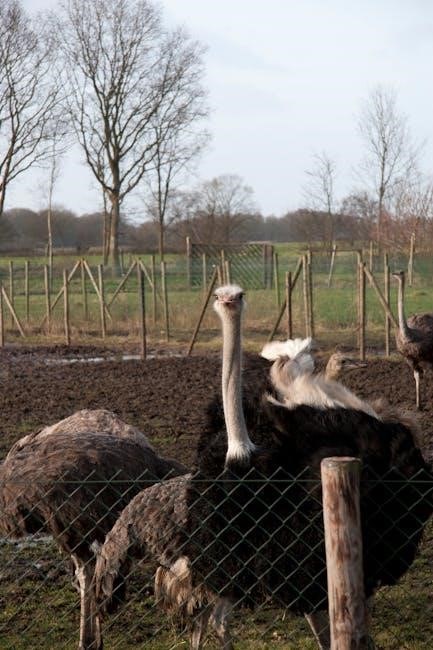
Corner, end, and gate posts experience substantially higher stress than intermediate line posts, necessitating a significant upgrade in stability․ These critical points endure constant tension from the fence wire, direct pressure from livestock leaning or impacting the fence, and environmental forces like wind․ Consequently, larger diameter posts are essential, alongside deeper post holes and robust anchoring systems․
Simply increasing post size isn’t always sufficient; proper installation is paramount․ Concrete footings provide superior stability, particularly in loose or sandy soils․ Furthermore, employing bracing techniques – like H-bracing – effectively distributes the load, preventing post leaning and potential fence failure․ Ignoring these requirements compromises the entire fence’s integrity․
Corner Post Bracing Techniques
Effective corner post bracing is crucial for distributing the immense tension inherent in a fence system, preventing costly failures․ H-bracing, a widely adopted method, utilizes two diagonal braces extending from the corner post to a separate, firmly anchored post set several feet away․ These braces should intersect the corner post at approximately a 45-degree angle for maximum strength․
Alternatively, a single diagonal brace can be employed, but requires a significantly larger anchor post and robust connections․ Proper bracing materials – utilizing durable lumber or steel – are essential․ Securely fastening the braces to both posts with bolts, rather than nails, ensures long-term stability and resistance to livestock pressure and environmental stresses․
Gate Post Spacing & Support
Gate posts demand significantly increased structural support compared to standard line posts, due to the concentrated stress from gate movement and livestock pressure․ Wider spacing isn’t advisable; gate posts should be positioned with extra consideration for stability․ Employing larger diameter posts, or even concrete-set posts, is highly recommended․
Similar to corner posts, robust bracing is vital․ H-bracing, utilizing diagonal supports anchored firmly in the ground, effectively counteracts the forces exerted by the gate․ Reinforcing the area around the gate post with additional posts and bracing can further enhance its durability, preventing leaning or failure over time․ Proper installation is key to a long-lasting gate․
Calculating Post Needs – A Simple Guide
Accurately determining the number of posts required is crucial for budgeting and efficient fence construction․ Begin by measuring the total fence line length in feet․ Then, divide this length by your chosen post spacing (e․g․, 8, 10, or 12 feet) to estimate the number of line posts․
Don’t forget to account for corner, gate, and end posts, which require additional stability and aren’t spaced at regular intervals․ Add approximately 10-15% to your line post calculation to cover potential waste or adjustments․ Online fence calculators, readily available, simplify this process by factoring in fence type and configuration for precise estimates․
Using Online Fence Calculators
Leveraging online fence calculators streamlines the often-complex process of material estimation․ These tools allow you to input specific details about your fencing project – farm size, fence configuration (barbed wire, woven wire, high tensile), and desired post spacing – to generate instant, customized reports․
Calculators typically provide breakdowns for corner posts, line posts, and gate posts, ensuring a comprehensive material list․ Simply enter your parameters and receive accurate estimates, saving time and minimizing potential errors․ Several reputable agricultural supply websites offer free, user-friendly fence calculators for efficient planning․
Cost Implications of Post Spacing

Post spacing directly impacts both initial material expenses and long-term fence performance, creating a crucial cost-benefit analysis․ Closer post spacing, while providing superior stability and durability, inevitably increases the quantity of posts required, driving up material and labor costs․
Conversely, wider spacing reduces upfront investment but may compromise fence strength, potentially leading to increased maintenance and repair expenses over time․ Farmers must carefully balance this initial investment with the anticipated long-term durability and potential for wildlife or livestock-induced wear and tear․
Balancing Initial Investment & Long-Term Durability
Achieving the optimal balance between upfront costs and long-term fence durability is paramount for successful farm fencing․ A lower initial investment through wider post spacing might seem attractive, but it risks compromising structural integrity and increasing future maintenance demands․
Investing in closer post spacing, though more expensive initially, can significantly extend the fence’s lifespan, reducing repair frequency and associated costs․ Consider the type of livestock and potential external pressures; high-pressure animals necessitate stronger, closer-spaced fencing․ Prioritizing quality materials and appropriate spacing ensures a robust, cost-effective solution over the fence’s operational life․
Labor Costs Associated with Spacing
Fence post spacing directly influences the labor required for installation and subsequent maintenance․ Wider spacing reduces the number of posts needing installation, potentially lowering initial labor expenses․ However, handling and setting fewer posts over larger distances can be physically demanding, potentially increasing time per post․
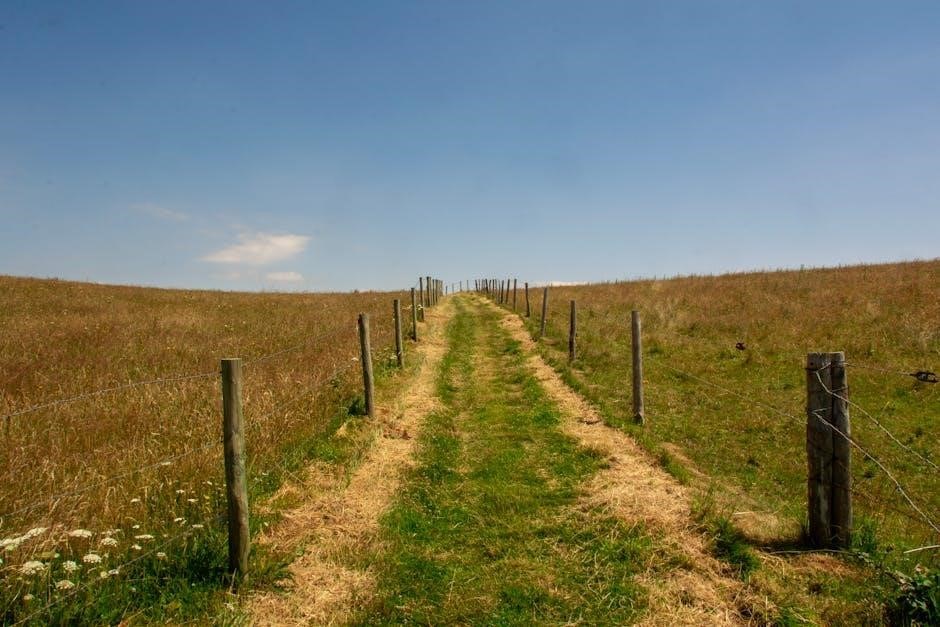
Closer spacing, while requiring more posts, often simplifies installation, especially on uneven terrain․ Long-term maintenance, like repairs after animal impact or weather damage, is also affected; closely spaced fences may require less extensive repairs․ Accurately estimating labor costs, factoring in terrain and post material, is crucial for a realistic project budget․
Maintenance & Post Spacing
Post spacing significantly impacts long-term fence wear and tear, influencing maintenance frequency and costs․ Closer spacing generally provides greater fence stability, reducing sag and minimizing stress on individual posts and wires․ This translates to fewer repairs from animal impact or weather events․
Wider spacing, while economical initially, can lead to increased sag and greater susceptibility to damage․ Regular inspections are vital, particularly with high-pressure livestock․ Addressing issues promptly prevents minor problems from escalating into costly repairs or complete fence failures․ Proper post spacing is a proactive investment in reduced maintenance over the fence’s lifespan․
Impact of Spacing on Fence Wear & Tear
Fence post spacing directly correlates with the rate of wear and tear experienced by the entire fencing system․ Wider spacing increases the length of wire between supports, making the fence more vulnerable to sagging, stretching, and breakage, especially under pressure from livestock or wildlife․
Conversely, closer spacing distributes stress more evenly, enhancing the fence’s resilience․ Increased post density minimizes wire movement, reducing friction and extending the lifespan of both the wire and posts․ Over time, wider spacing necessitates more frequent repairs and replacements, ultimately increasing overall costs due to increased maintenance and material expenses․
Avoiding Common Post Spacing Mistakes
A frequent error is assuming uniform spacing suits all terrains; adjust for hills and valleys․ Neglecting livestock pressure – high-pressure animals require closer post intervals – is another common oversight․ Using inconsistent measurements during installation leads to weak points․
Don’t underestimate the importance of corner and end post bracing; inadequate support concentrates stress․ Failing to account for post material deflection (bending) results in sagging․ Overlooking the need for tighter spacing with woven wire to prevent animal intrusion is also problematic․ Prioritize careful planning and precise execution to avoid costly repairs and ensure a durable, effective fence․
Real-World Examples & Case Studies

A rancher in Montana successfully utilized 20-foot spacing for high-tensile barbed wire, minimizing posts while containing cattle on relatively flat land․ Conversely, a sheep farmer in hilly Pennsylvania opted for 8-foot wood post spacing with 10-foot T-post intervals within a woven wire fence, effectively managing sheep and deterring dogs․
Another case study involved a 50-foot wood post interval with 10-foot T-posts for woven wire, proving effective for containing less-demanding livestock․ These examples demonstrate that optimal spacing isn’t fixed; it’s tailored to specific conditions․ Careful observation and adaptation are key to long-term fence integrity and cost-effectiveness․
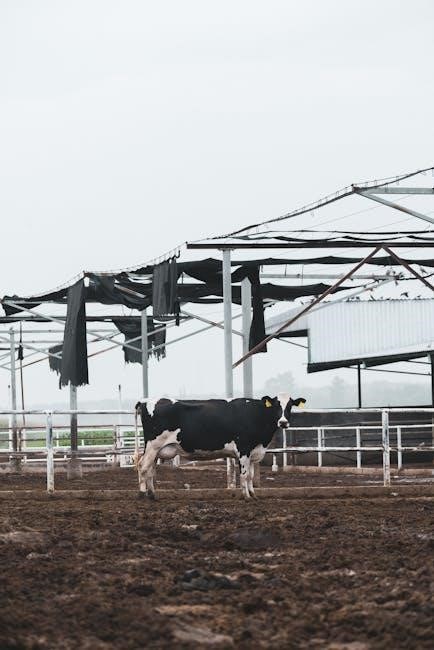
Fence Post Spacing for Different Farm Sizes
Smaller farms (under 50 acres) often benefit from closer post spacing (6-8 feet for wood, 8-10 feet for T-posts), prioritizing security and minimizing potential livestock escapes due to more intensive land use․ Mid-sized farms (50-200 acres) can effectively utilize standard spacing guidelines (8-12 feet for T-posts, 10-15 feet for high-tensile), balancing cost and containment․
Larger farms (over 200 acres) may employ wider spacing (15-20 feet for high-tensile) on relatively flat, open pastures, reducing material costs․ However, terrain variations necessitate adjustments; hilly areas require closer spacing regardless of farm size․ Careful assessment of livestock pressure and budget constraints is crucial for optimal spacing decisions;
Future Trends in Fence Post Spacing
Precision fence installation, guided by GPS and drone technology, is emerging, allowing for optimized post placement based on detailed terrain mapping and livestock movement patterns․ Expect increased adoption of composite and recycled plastic posts, reducing reliance on wood and minimizing environmental impact, potentially influencing spacing due to material strength․
Smart fencing systems, incorporating sensors and automated tensioning, may allow for wider post spacing while maintaining fence integrity․ Data-driven approaches, analyzing fence performance and livestock behavior, will refine spacing recommendations․ Furthermore, a focus on sustainable farming practices will likely prioritize durability and reduced maintenance, potentially favoring closer, more robust post spacing․