

Dr. Gundry Diet Plan: A Comprehensive Overview (as of 12/14/2025)
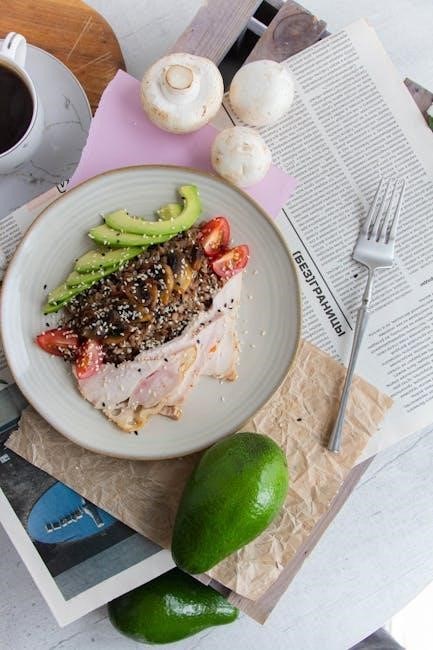
Discover a revolutionary approach to wellness with Dr. Gundry’s diet, gaining insights into lectin avoidance and personalized nutrition for optimal health and vitality.
The Dr. Gundry Diet, popularized by Dr. Steven Gundry, centers around the idea that lectins – naturally occurring proteins found in many plants – are the root cause of various inflammatory responses within the body. This diet isn’t simply about weight loss, although that’s often a welcomed side effect; it’s a holistic approach to health, aiming to mitigate inflammation and improve overall well-being.
Driven by Dr. Gundry’s extensive research and clinical experience, the plan advocates for eliminating, and then strategically reintroducing, foods high in lectins. Kelly Clarkson’s publicized success with the diet significantly boosted its popularity, prompting widespread interest in its principles. The core philosophy revolves around identifying and removing foods that trigger immune responses, potentially leading to digestive issues, autoimmune conditions, and other health concerns.
Understanding the diet requires acknowledging its phased approach, starting with a strict elimination phase, followed by careful reintroduction, and culminating in a personalized long-term plan.
The Core Principles of the Diet
At its heart, the Dr. Gundry Diet prioritizes minimizing lectin intake to reduce inflammation and optimize gut health. This isn’t a calorie-restrictive diet; instead, it focuses on what you eat, emphasizing nutrient-dense foods while excluding those believed to be problematic. Central to the plan is the understanding that lectins act as “sticky” proteins, potentially interfering with nutrient absorption and triggering immune responses.
The diet champions a lifestyle centered around polyphenols – beneficial plant compounds – and healthy fats, like those found in Gundry MD’s Polyphenol-Rich Olive Oil. Supplementation, particularly with products like ProPlant Complete Shake and Energy Renew, is often recommended to support cellular vitality and provide essential nutrients.
Ultimately, the core principle is personalized nutrition, recognizing that individual responses to foods vary. The phased approach – elimination, reintroduction, and maintenance – allows for identifying specific trigger foods and tailoring the diet to individual needs.
Lectins: The Primary Focus of the Gundry Diet
Lectins are proteins found in many plants, and Dr. Gundry posits they are a significant contributor to inflammation and gut issues. He argues that these “sticky” molecules can bind to the lining of the digestive tract, disrupting nutrient absorption and potentially triggering autoimmune responses. While lectins serve a purpose for plants – protecting them from insects – their impact on human health is the diet’s central concern.
The Gundry Diet isn’t about eliminating all lectins, but rather focusing on avoiding those considered most problematic, particularly those found in nightshades, grains, and legumes.
Dr. Gundry believes that minimizing lectin intake can lead to improved energy levels, reduced joint pain, and enhanced overall well-being. This focus differentiates the diet from many others, placing lectin avoidance at the forefront of its principles.
What are Lectins and Why Avoid Them?
Lectins are naturally occurring proteins found in plants, animals, and even humans. However, Dr. Gundry’s diet specifically targets plant-based lectins, arguing they can be detrimental to gut health. These proteins act as a defense mechanism for plants, protecting them from predators, but they can interfere with human digestion.
The concern lies in lectins’ ability to bind to the lining of the digestive tract. This binding can disrupt nutrient absorption, cause inflammation, and potentially contribute to leaky gut syndrome. Dr. Gundry believes this disruption can trigger autoimmune responses and various health issues.

Avoiding high-lectin foods, according to the diet, aims to reduce inflammation, improve gut function, and enhance overall well-being. It’s a preventative approach focused on minimizing potential harm from these naturally occurring compounds.
Phase 1: Elimination Phase (Initial 30 Days)
The initial 30 days of the Gundry diet are dedicated to a strict elimination phase; This period focuses on removing foods high in lectins to allow the gut to heal and reduce inflammation. It’s a foundational step towards identifying individual sensitivities and establishing a baseline for improved health.
During this phase, adherence to the “yes” and “no” food lists is crucial. The goal isn’t necessarily rapid weight loss, but rather a reset for the digestive system. Expect potential initial discomfort as the body adjusts to the dietary changes, but these symptoms should subside.
This phase requires commitment and careful planning, but it sets the stage for the reintroduction phase and long-term success with the Gundry diet. Consistency is key during these first 30 days.
Foods to Avoid During Phase 1
Phase 1 demands diligent avoidance of several food groups known for their high lectin content. These restrictions are temporary, designed to calm inflammation and assess individual tolerance. Nightshades – tomatoes, potatoes, eggplant, and peppers – are strictly prohibited due to their potent lectin profile. Similarly, all grains, including wheat, rice, corn, and oats, must be eliminated;
Legumes, such as beans, lentils, and peanuts, are also off-limits. These foods contain lectins that can disrupt gut health. Processed foods, sugary drinks, and most dairy are also discouraged. Focus on consuming approved proteins, healthy fats, and low-lectin vegetables during this initial 30-day period.
Careful label reading is essential to avoid hidden lectins in seemingly innocuous products.
Nightshades: Tomatoes, Potatoes, Eggplant, Peppers
Nightshade vegetables – tomatoes, potatoes, eggplant, and all types of peppers – are central to the Phase 1 elimination. Dr. Gundry identifies these as particularly problematic due to their high concentration of lectins, specifically solanine. These lectins can contribute to intestinal permeability, triggering inflammation and autoimmune responses in susceptible individuals.
This includes avoiding all forms of these vegetables: raw, cooked, dried, and processed. Tomato sauces, ketchup, potato chips, and paprika are all off-limits. Even seemingly harmless spices derived from peppers, like cayenne, must be excluded; The goal is to completely remove these lectins from the diet to assess their impact on your well-being.
Strict adherence is crucial during the initial phase.
Grains: Wheat, Rice, Corn, Oats
The Gundry diet strictly prohibits all grains during the initial elimination phase, including wheat, rice (white and brown), corn, and oats. Dr. Gundry argues that modern grains are hybridized, significantly increasing their lectin content. These lectins, particularly wheat germ agglutinin (WGA), are believed to disrupt gut health and contribute to systemic inflammation.
This means eliminating bread, pasta, cereal, and even seemingly healthy options like quinoa and barley. Corn derivatives, such as cornstarch, corn syrup, and popcorn, are also forbidden. Careful label reading is essential, as grains are often hidden in processed foods. The complete removal of grains allows the gut to heal and reduces lectin-related symptoms.

This is a foundational element of Phase 1.
Legumes: Beans, Lentils, Peanuts
Legumes, encompassing beans, lentils, and surprisingly, peanuts, are also excluded during the initial 30-day elimination phase of the Gundry diet. Dr. Gundry identifies legumes as being exceptionally high in lectins, specifically phytohaemagglutinin, which he believes can severely damage the intestinal lining and trigger autoimmune responses.
This restriction extends to all varieties of beans – kidney, black, pinto, and navy – as well as lentils and chickpeas. Peanuts, often considered nuts, are botanically legumes and therefore prohibited. Avoiding these foods aims to reduce gut permeability and inflammation, allowing the digestive system to recover.
Strict adherence to this rule is crucial for experiencing the full benefits of the diet’s initial phase.
Phase 2: Reintroduction Phase
Following the 30-day elimination phase, Phase 2 focuses on a meticulous reintroduction of foods, one at a time, to identify individual sensitivities. This isn’t a free-for-all; it’s a carefully orchestrated process designed to pinpoint which lectin-containing foods your body tolerates – and which ones don’t.
The recommended approach is to introduce a single food group (like white rice or a specific bean) for three consecutive days, observing for any adverse reactions. These reactions can manifest as digestive issues, skin problems, joint pain, or fatigue.

Detailed journaling is essential during this phase, documenting both food intake and any symptoms experienced. This personalized approach allows for a tailored long-term dietary plan.
Reintroducing Foods: A Careful Process
Reintroduction demands patience and diligent observation. Begin by selecting one food from the “avoid” list, ideally a single-ingredient item. Consume a moderate portion on day one, then increase slightly over the next two days, meticulously tracking any physical or emotional changes.
Look beyond obvious digestive upset. Subtle signs like headaches, skin rashes, brain fog, or joint stiffness can indicate a sensitivity. If no adverse effects appear after three days, the food is likely safe to incorporate into your diet – in moderation.
However, any negative reaction necessitates removing the food and waiting at least two weeks before attempting another reintroduction. This methodical approach is key to unlocking your personal food tolerance profile.
Phase 3: Personalized Long-Term Plan
Transitioning to a sustainable lifestyle is paramount. Phase 3 isn’t about rigid restriction, but informed choices. Based on your reintroduction results, construct a dietary framework prioritizing lectin-low foods while allowing moderate consumption of tolerated items.

Focus on nutrient density – abundant vegetables, healthy fats (like Gundry MD’s Polyphenol-Rich Olive Oil), and lean proteins. Experiment with recipes and meal planning to prevent monotony. Remember, this is a journey of self-discovery, not deprivation.
Regularly reassess your body’s response to foods, as sensitivities can evolve. Prioritize gut health with prebiotics and probiotics, and consider ongoing supplementation to support cellular vitality, like Gundry MD’s Energy Renew.
Maintaining a Lectin-Free Lifestyle
Sustaining long-term success requires mindful adaptation and consistent effort. Beyond the initial phases, prioritize reading food labels diligently, as lectins can hide in processed foods and unexpected ingredients. Embrace cooking at home whenever possible, granting complete control over your food sources.
Develop a repertoire of lectin-free recipes and explore creative substitutions. Social situations can be challenging; plan ahead by bringing compliant dishes or researching menu options. Remember, occasional indulgences are permissible, but mindful moderation is key.
Continue prioritizing gut health through prebiotic and probiotic-rich foods, and consider supplements like ProPlant Complete Shake for convenient, nutrient-dense meals. Stay informed about emerging research and adjust your approach as needed.
Gundry MD Supplements: An Overview

Dr. Gundry MD offers a range of supplements designed to complement the diet and enhance overall well-being. Polyphenol-Rich Olive Oil, consumed daily as a shot, delivers potent antioxidants supporting cellular health. ProPlant Complete Shake provides a convenient, plant-based meal replacement, prioritizing gut health with its unique blend.
Energy Renew, flavored with passionfruit and hibiscus, aims to bolster cellular vitality, combating fatigue and promoting sustained energy levels. These supplements aren’t replacements for a healthy diet, but rather tools to optimize results.
Consider individual needs and consult with a healthcare professional before incorporating any new supplements into your routine. Gundry MD emphasizes quality and bioavailability in its formulations.
Polyphenol-Rich Olive Oil: Benefits and Usage
Gundry MD Polyphenol-Rich Olive Oil is a cornerstone supplement, lauded for its high concentration of beneficial polyphenols. These compounds act as potent antioxidants, combating oxidative stress and supporting cellular function. Dr. Gundry recommends consuming one fluid ounce – approximately a shot – daily to reap maximum benefits.
The oil’s unique extraction process preserves these delicate polyphenols, unlike conventional olive oil production. Regular intake may contribute to improved cardiovascular health, enhanced immune function, and reduced inflammation. It’s a flavorful addition to salads or can be taken directly.
Ensure proper storage to maintain polyphenol potency; keep the bottle tightly sealed and away from direct sunlight.
ProPlant Complete Shake: A Meal Replacement Option
Gundry MD ProPlant Complete Shake offers a convenient and nutritious meal replacement, specifically designed to align with the Gundry diet’s principles. This plant-based formula prioritizes gut health, incorporating a blend of proteins, fiber, and essential nutrients. It’s free from common allergens like gluten, dairy, and soy, making it suitable for individuals with sensitivities.
The shake supports healthy weight management and sustained energy levels. It’s formulated to minimize lectin content, a key focus of Dr. Gundry’s approach. ProPlant Complete Shake can be easily incorporated into a busy lifestyle, providing a quick and satisfying meal option.
Available in various flavors, it’s a versatile addition to your dietary regimen.
Energy Renew: Supporting Cellular Vitality
Gundry MD Energy Renew is a dietary supplement meticulously crafted to bolster your body’s cellular energy production and overall vitality. Featuring a delightful fusion of passionfruit and hibiscus flavors, this unique formula aims to combat age-related energy decline by supporting mitochondrial function – the powerhouses of your cells.
The supplement incorporates a blend of polyphenols, amino acids, and other nutrients designed to optimize cellular performance. It’s intended to help individuals feel more energized and focused throughout the day, aligning with the Gundry diet’s emphasis on optimizing internal health.
Energy Renew is a convenient way to support your body’s natural energy levels.
Weight Loss and the Gundry Diet: Kelly Clarkson’s Experience
Kelly Clarkson’s publicly shared weight loss journey significantly boosted the Gundry diet’s popularity, sparking widespread interest in its principles. In recent years, the singer credited Dr. Steven Gundry’s dietary approach for her transformation, attributing her success to eliminating lectins and focusing on nutrient-dense foods.
Clarkson’s experience resonated with many, as she openly discussed feeling healthier and more energetic while following the diet. This endorsement propelled the Gundry diet into the mainstream, leading to increased searches and discussions about its potential benefits.
Her story highlights the diet’s potential for weight management, alongside improvements in overall well-being, and continues to inspire individuals seeking a new approach to health.
Potential Benefits Beyond Weight Loss
The Gundry diet extends beyond mere weight management, offering a spectrum of potential health advantages rooted in reducing inflammation and supporting cellular vitality. By minimizing lectin intake, proponents suggest improvements in gut health, potentially alleviating digestive discomfort and enhancing nutrient absorption.
Furthermore, the diet’s emphasis on polyphenol-rich foods may contribute to enhanced energy levels and improved cognitive function. Gundry MD’s Energy Renew supplement, featuring passionfruit and hibiscus, is specifically designed to bolster cellular vitality, aligning with these benefits.
Many individuals report experiencing reduced joint pain and improved skin health while adhering to the Gundry diet, suggesting a broader impact on overall well-being and longevity.

Data Recovery Concerns on Windows 11/10 (Related to Digital Diet Tracking)
Maintaining meticulous diet records digitally, utilizing apps on Windows 11 or 10, introduces potential data loss risks. Unexpected system crashes, problematic Windows updates, or even malware infections can jeopardize valuable tracking information – meal logs, weight measurements, and personalized plans.
Recent reports indicate Windows 11 users have experienced unforeseen data loss, impacting critical files and folders. It’s crucial to proactively back up diet-related data regularly, employing external drives or cloud storage solutions.
Should data loss occur, third-party recovery applications like DroidKit or Dr.Fone may offer assistance, but exercise caution and verify their authenticity before installation. As a last resort, contacting your mobile carrier might reveal potential recovery options.
Windows 11 Updates and Potential Data Loss (Impact on Diet Apps)
Windows 11’s ongoing updates, while enhancing security and performance, can sometimes disrupt application functionality and potentially lead to data loss, particularly affecting diet tracking apps. Microsoft is accelerating the rollout of version 25H2, increasing the frequency of system changes.
Users have reported data loss incidents following updates, with critical files and folders becoming inaccessible. This poses a significant risk to individuals diligently logging their Gundry diet progress – meal plans, food journals, and weight tracking data could be compromised.
Regularly backing up data is paramount. Consider utilizing cloud storage or external hard drives to safeguard your diet information. Furthermore, staying informed about update compatibility with your chosen diet app can mitigate potential issues.
Microsoft Outlook Installation Issues (Related to Diet Planning)
For individuals utilizing Microsoft Outlook for scheduling meal preparation, tracking grocery lists aligned with the Gundry diet, or coordinating with nutritionists, installation issues can disrupt dietary planning. Recent reports indicate difficulties installing the classic Outlook version after a Microsoft 365 installation, requiring manual intervention.

This can be particularly frustrating for those relying on Outlook’s calendar features to schedule lectin-free meal times or reminders for supplement intake. A workaround involves a separate installation process, but it demands technical proficiency.
Ensure compatibility with your Microsoft 365 subscription and explore alternative email clients if installation proves problematic. Maintaining a consistent diet plan relies on accessible tools, and a functioning Outlook is crucial for many.
Community Resources and Support for the Gundry Diet
Embarking on the Gundry diet is often more successful with a supportive community. Dr. Windows, a prominent German-speaking Microsoft community forum, demonstrates the power of peer-to-peer assistance, even extending to discussions relevant to diet tracking apps and software compatibility.
While primarily German, the forum’s active user base (over 50,000 members) offers potential insights into troubleshooting technical challenges encountered while utilizing digital tools for diet management. Seek out dedicated Gundry diet Facebook groups and online forums for direct interaction with fellow dieters.
Share experiences, recipes, and address concerns collectively. These platforms provide encouragement and valuable tips for navigating the diet’s nuances, fostering a sense of belonging and accountability.