

Navigating the world of compression socks requires understanding sizing for optimal benefits. These specialized socks enhance circulation, reduce swelling, and offer support for various activities and conditions.
What are Compression Socks?
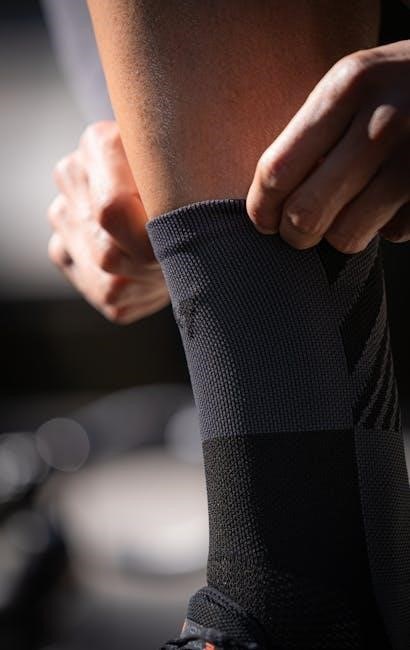
Compression socks are specialized hosiery designed to improve blood circulation in the lower legs and feet. Unlike regular socks, they apply graduated pressure – tighter at the ankle and gradually decreasing towards the top – to encourage blood flow back towards the heart. This assists in preventing blood from pooling in the legs, which can cause swelling, discomfort, and even more serious health issues.
They are tighter than standard socks and come in various compression levels, catering to different needs. From aiding recovery for athletes to alleviating symptoms of varicose veins and providing comfort during long periods of sitting or standing, compression socks offer a deceptively simple yet effective solution for leg health and wellbeing.

Benefits of Wearing Compression Socks
The advantages of incorporating compression socks into your routine are numerous and diverse. They significantly improve circulation, reducing swelling and fatigue in the legs and feet, particularly beneficial for those who travel extensively or stand for prolonged periods. Athletes find them invaluable for muscle recovery and performance enhancement.
Beyond these, compression socks can help manage symptoms of varicose veins and prevent blood clots. They offer general support, alleviating discomfort and promoting overall leg health. Whether you’re a runner, a traveler, or simply spend a lot of time on your feet, these socks can contribute to increased comfort and wellbeing.
Compression Levels Explained
Compression levels, measured in millimeters of mercury (mmHg), dictate the amount of pressure the socks exert on your legs. Understanding these levels is crucial for selecting the right pair for your needs. Lower levels offer gentle support, while higher levels provide more substantial compression.
These levels aren’t one-size-fits-all; they’re tailored to specific conditions and activities. Mild compression aids everyday comfort, moderate levels assist with travel and recovery, and firmer options address medical concerns. Choosing the appropriate mmHg ensures optimal benefits and avoids potential discomfort or complications.
Mild Compression (8-15 mmHg)
Mild compression, ranging from 8 to 15 mmHg, is ideal for everyday wear and preventative care. These socks provide gentle support to improve circulation and reduce minor swelling, offering a comfortable experience for prolonged periods of standing or sitting. They’re often recommended for individuals experiencing slight leg fatigue or minor varicose veins.
This level is also a great starting point for those new to compression socks, allowing the legs to gradually adjust to the pressure. They are frequently chosen by travelers for short journeys and can enhance overall leg comfort throughout the day, promoting healthy blood flow.
Moderate Compression (15-20 mmHg)
Moderate compression, falling within the 15-20 mmHg range, offers a step up in support for more noticeable benefits. This level is frequently recommended for individuals experiencing moderate swelling, minor varicose veins, or those who spend extended periods on their feet. It’s a popular choice for nurses, teachers, and anyone in professions requiring prolonged standing.
Moderate compression can also aid in recovery after exercise, reducing muscle soreness and promoting faster healing. Many travelers opt for this level for longer flights or car rides, helping to prevent deep vein thrombosis (DVT) and leg discomfort during travel.
Firm Compression (20-30 mmHg)
Firm compression, ranging from 20-30 mmHg, provides substantial support and is typically recommended for individuals with more pronounced venous insufficiency, significant swelling, or active varicose veins. Often prescribed by doctors, this level aids in managing symptoms and preventing complications associated with these conditions. It’s a common choice for those recovering from injuries or surgeries, promoting better circulation and reducing post-operative swelling.
Athletes may also utilize firm compression for enhanced performance and faster recovery, though consulting with a healthcare professional is advisable. This level offers a noticeable, yet comfortable, level of support for daily wear.
Extra Firm Compression (30-40 mmHg)
Extra firm compression, falling within the 30-40 mmHg range, represents the highest level of non-prescription compression and is generally reserved for individuals with severe medical conditions. This includes those with lymphedema, severe venous insufficiency, or post-thrombotic syndrome. It is crucial to obtain a doctor’s recommendation before using this level of compression, as improper use can potentially cause harm.
These socks provide maximum support and are designed to significantly reduce swelling and improve circulation in cases of serious vascular issues. They are not typically intended for everyday wear or athletic performance.
How to Measure for Compression Socks
Accurate measurement is paramount for ensuring a proper fit and maximizing the benefits of compression socks. Begin by measuring your calf circumference at its widest point, typically mid-calf, while standing. Use a flexible measuring tape and ensure it’s snug but not overly tight. Next, measure your ankle circumference at its narrowest point.
Finally, determine your shoe size, as this is often used in sizing charts. Record all three measurements – calf circumference, ankle circumference, and shoe size – as these will be essential when selecting the correct sock size from a manufacturer’s chart.
Understanding Sock Sizes
Compression sock sizing isn’t one-size-fits-all; it’s based on a combination of your shoe size, calf circumference, and ankle circumference. Manufacturers provide detailed size charts correlating these measurements to specific sock sizes – typically Small, Medium, Large, Extra Large, and beyond.
It’s crucial to consult the specific size chart for the brand you’re purchasing, as variations exist. Don’t assume your usual sock size will translate directly. If your measurements fall between sizes, it’s generally recommended to size up for comfort and effectiveness.
US Shoe Size Conversion
While calf circumference is key, US shoe size often initiates the sizing process for compression socks. A typical conversion chart might look like this: Women’s sizes 6-8 correlate with Small, 9-11 with Medium, and 12+ with Large. Men’s sizes 7-9 align with Medium, 10-12 with Large, and 13+ with Extra Large.
However, remember this is a starting point. Individuals with wider or narrower feet may need to adjust based on calf measurements. Always prioritize the calf circumference measurement for a proper fit, using shoe size as an initial guide. Brand-specific charts are essential for accuracy.
Calf Circumference Measurement
Accurate calf circumference measurement is paramount for effective compression. Use a flexible measuring tape and stand with your heel against a wall. Measure the widest part of your calf, ensuring the tape is level and snug – but not constricting. Do not measure over clothing; bare skin is best for precision.
Record this measurement in inches or centimeters. This number directly corresponds to the sock size chart provided by the manufacturer. Different brands utilize varying size ranges, so always consult the specific chart. A correct calf measurement ensures optimal compression and comfort, avoiding issues like constriction or slippage.
Key Factors Affecting Size Choice
Several factors beyond calf circumference influence the ideal compression sock size. Leg shape – whether slender, muscular, or wider – impacts fit. Individuals with larger calves may need to size up, even if their shoe size suggests otherwise. Consider sock height; taller socks require accurate thigh circumference measurements too.
Material composition also plays a role; some materials offer more stretch than others. Finally, compression level affects sizing – higher compression often necessitates a tighter, more precise fit. Always prioritize comfort; socks shouldn’t feel overly restrictive or cause discomfort during wear.
Sock Height Considerations
Compression sock height is crucial for targeted benefits and comfort. Options range from ankle-high to thigh-high, each serving different purposes. Ankle socks are suitable for mild swelling and everyday wear, while knee-high socks address calf issues and improve circulation during travel or athletics.

Thigh-high socks provide maximum compression and support, often recommended for severe venous insufficiency or lymphedema. Ensure the sock covers the intended area without bunching or digging into the skin. Proper height selection enhances effectiveness and prevents discomfort during prolonged use.

Material and Fit
The material and fit of compression socks significantly impact comfort and effectiveness. Common materials include nylon, spandex, and microfiber, each offering varying levels of elasticity and breathability. Nylon provides durability, while spandex ensures a snug, supportive fit. Microfiber enhances moisture-wicking properties for extended wear.
A proper fit is paramount; socks should feel firm but not constricting. Avoid wrinkles or bunching, as these can impede circulation. Graduated compression, tighter at the ankle and looser towards the top, promotes optimal blood flow. Consider your activity level and climate when selecting materials for maximum comfort and performance.
Top Compression Sock Brands & Sizing
Several reputable brands offer a wide range of compression socks with varying sizing options. Popular choices include Pro Compression, known for its athletic-focused designs and detailed size charts based on calf circumference and shoe size. Sockwell provides comfortable, everyday wear options with a focus on merino wool blends.
CEP Compression offers medically validated socks for recovery and performance. Each brand typically provides specific sizing guides, emphasizing accurate calf measurements and shoe size conversions. Always consult the brand’s individual chart, as sizing can differ. Prioritize brands that offer a variety of sizes and heights to ensure a personalized fit.
When to Consult a Doctor
While compression socks offer numerous benefits, consulting a doctor is crucial in specific situations. Individuals with pre-existing conditions like peripheral artery disease (PAD) or severe heart failure should seek medical advice before use, as compression could exacerbate these issues.
If you experience increased pain, swelling, or skin discoloration while wearing compression socks, discontinue use and consult a healthcare professional immediately. Those with diabetes or neuropathy should also seek guidance, as reduced sensation can increase the risk of injury. A doctor can recommend the appropriate compression level and ensure safe usage tailored to your individual health needs.

Compression Socks for Travel
Long journeys, especially by plane, can significantly impact circulation, leading to swelling and discomfort. Compression socks are highly recommended for travel, particularly for flights exceeding several hours, to counteract these effects. They help prevent blood from pooling in the legs, reducing the risk of deep vein thrombosis (DVT).
Dr. Todd Shaffer suggests wearing them for any trip lasting more than a few hours. By promoting healthy blood flow, compression socks can minimize fatigue and enhance overall comfort during travel, making your journey more enjoyable and safer. Consider wearing them throughout the duration of your trip.
Compression Socks for Athletes
Athletes across various disciplines benefit from incorporating compression socks into their training and recovery routines. These socks aid in muscle recovery by improving blood flow, reducing muscle soreness, and minimizing inflammation after intense physical activity. They can also enhance performance during exercise by providing support and reducing muscle vibration.
The right style of compression socks can be a deceptively simple accessory with myriad recovery benefits for runners and others. By optimizing circulation, compression socks contribute to faster recovery times and allow athletes to return to training sooner, maximizing their potential and minimizing injury risk.
Caring for Your Compression Socks
Proper care extends the life and effectiveness of your compression socks, ensuring continued support and benefits. Always follow the manufacturer’s instructions, typically involving hand washing or a gentle machine cycle with cool water. Avoid using bleach or fabric softeners, as these can damage the elastic fibers crucial for compression.
Air drying is recommended; avoid high heat from dryers, which can also compromise elasticity. Store your compression socks flat or rolled, not folded tightly, to maintain their shape. Regular, mindful care preserves the graduated compression, maximizing their therapeutic value and longevity.

Potential Issues with Incorrect Sizing
Wearing compression socks that don’t fit properly can negate their benefits and even cause discomfort or health concerns. Socks that are too tight can restrict circulation, ironically defeating their purpose, and potentially leading to skin irritation or nerve compression. Conversely, socks that are too loose won’t provide adequate support or compression, offering minimal therapeutic effect.
Incorrect sizing may also contribute to swelling above the sock line or cause the socks to roll down. Prioritizing accurate measurement and selecting the correct size is vital for maximizing comfort, effectiveness, and avoiding potential complications.

Where to Buy Compression Socks
Compression socks are readily available through a variety of retail channels, offering convenience and diverse options. Online Retailers provide a vast selection, competitive pricing, and the ease of shopping from home, with sites like Amazon and specialized compression wear stores being popular choices.
Medical Supply Stores often carry a wider range of compression levels and brands, alongside expert fitting advice. Pharmacies, such as CVS and Walgreens, typically stock basic compression sock options. Consider your needs and desired level of support when choosing a retailer.
Online Retailers
Shopping for compression socks online offers unparalleled convenience and a broad selection. Major e-commerce platforms like Amazon boast extensive inventories from numerous brands, alongside customer reviews to aid your decision. Specialized online retailers dedicated to compression wear frequently provide detailed product information and expert guidance.
Benefits include competitive pricing, easy comparison shopping, and direct-to-door delivery. However, accurate self-measurement is crucial for ensuring a proper fit when purchasing online, as trying socks on isn’t possible. Always check return policies before buying.
Medical Supply Stores
Visiting a medical supply store provides a personalized fitting experience for compression socks. Trained staff can assist with accurate measurements of your calf circumference and ankle size, ensuring you select the correct compression level and sock height. This is particularly beneficial for individuals with specific medical conditions or those new to compression therapy.
These stores often carry a curated selection of reputable brands and offer expert advice. While potentially more expensive than online options, the assurance of a proper fit and professional guidance can be invaluable, minimizing the risk of discomfort or ineffective compression.
Pharmacies
Many pharmacies now stock a range of compression socks, offering a convenient option for purchase. While selection may be limited compared to specialized stores or online retailers, pharmacies often carry common sizes and compression levels suitable for everyday use and travel-related needs.
Pharmacists can provide basic guidance on selecting appropriate socks, particularly regarding compression levels for mild conditions like swelling or fatigue. However, for complex medical needs or precise fitting, a medical supply store or professional fitting is recommended. Check for sales and discounts frequently!