

Centurion 5000 Watt Generator Manual: A Comprehensive Guide
This comprehensive guide details operation, safety, and maintenance for the Centurion 5000 watt generator, covering gasoline, propane, and natural gas fuel options.
The Centurion 5000 is a versatile power solution designed to provide reliable electricity during outages, outdoor events, or remote locations. This generator is engineered to operate on multiple fuel sources – gasoline, liquid propane (LP), or natural gas (NG) – offering flexibility and convenience.
Capable of delivering up to 5000 watts of power, it’s suitable for running essential appliances, power tools, and lighting. Before operation, thoroughly read this manual to understand safety precautions, operating procedures, and maintenance schedules. Proper understanding ensures safe and efficient use, maximizing the generator’s lifespan.
This manual provides detailed instructions, including component identification, starting procedures (electric and recoil), troubleshooting tips, and a maintenance schedule. Downloadable manuals and product support are readily available using your generator’s serial number. Remember, prioritizing safety and following the guidelines outlined within will guarantee optimal performance.
Understanding Generator Safety
Generator safety is paramount. Carbon monoxide (CO) is a deadly, odorless, and colorless gas produced during combustion. Always operate the Centurion 5000 in a well-ventilated area, outdoors and away from windows, doors, and vents. Install carbon monoxide detectors in your home or any enclosed space near the generator.
Never operate a generator indoors, including garages, basements, or sheds. Keep the generator dry, protecting it from rain and snow. Before refueling, always shut off the generator and allow it to cool down completely. Store fuel in approved containers, away from living areas.
Read the manual and safety rules before operating. Be mindful of electrical hazards; use properly grounded extension cords and avoid overloading the generator. Regularly inspect the generator for any damage or leaks. Prioritize safety to prevent accidents and ensure a secure operating environment.
Unboxing and Initial Inspection
Carefully unpack the Centurion 5000 generator, checking the contents against the parts list in the manual. Inspect for any visible damage incurred during shipping – dents, scratches, or loose components. Report any damage immediately to the retailer or shipping company.

Verify that all included accessories are present: the operator’s manual, a tool kit (if included), and any fuel conversion kits (propane/natural gas). Examine the generator’s exterior for any loose wires or connections. Ensure the air filter is securely in place and free of debris.
Before first use, thoroughly read the manual. Do not attempt to operate the generator if any parts are missing or damaged. Proper initial inspection ensures safe and reliable operation from the start.
Component Identification
Familiarize yourself with the Centurion 5000’s key components. Locate the control panel, including the power switch, outlets (120V and/or 240V), and circuit breakers. Identify the fuel tank, fuel valve, and fuel filter. Note the location of the oil fill cap and dipstick for checking oil levels.
The recoil starter handle and electric start button (if equipped) should be easily accessible. Find the air filter housing and spark plug access cover. Understand the function of the choke control and throttle lever. Locate the grounding terminal for safety.
Refer to the diagram in the manual for precise component locations. Knowing these parts will aid in maintenance, troubleshooting, and safe operation of your generator;
Checking Fluid Levels
Before each use, verify proper fluid levels for optimal performance. Begin by checking the engine oil using the dipstick; ensure it falls within the ‘full’ range, adding oil if necessary. Low oil levels can cause severe engine damage. Next, inspect the fuel tank, ensuring sufficient fuel for your intended runtime.
If using propane (LP), check the tank level and connection for leaks. For natural gas (NG), verify a stable gas supply and inspect the connection. Do not operate the generator with insufficient fluids.
Regularly checking these levels prevents malfunctions and extends the lifespan of your Centurion 5000. Consult the manual for recommended oil type and fuel specifications.
Pre-Operational Checklist
Prior to starting your Centurion 5000, a thorough pre-operational check is crucial for safe and efficient operation. First, confirm adequate fluid levels – oil, gasoline, propane, or natural gas connection. Inspect all cables and connections for damage, ensuring they are secure. Verify the air filter is clean and unobstructed.
Check the spark plug for cleanliness and proper connection. Ensure the generator is placed on a stable, level surface in a well-ventilated area, away from flammable materials. Confirm the overload protection is functioning correctly.
Review the manual for specific safety precautions. A completed checklist minimizes risks and maximizes the generator’s performance and longevity;
Fueling the Centurion 5000
Fueling the Centurion 5000 requires careful attention to safety and fuel type compatibility. Always shut down the generator and allow it to cool completely before refueling; Ensure the area is well-ventilated, and no open flames or sparks are present. The generator supports gasoline, liquid propane (LP), and natural gas (NG) operation.
When using gasoline, use a funnel to prevent spills and only fill to 90% of the tank’s capacity, allowing for expansion. For propane, ensure a secure connection of the LP tank and regulator. Natural gas requires a qualified technician for proper connection.
Always refer to the manual for specific fuel requirements and safety guidelines. Improper fueling can lead to damage or hazardous conditions.
Gasoline Fuel Requirements
The Centurion 5000 generator requires unleaded gasoline with a minimum octane rating of 87. Using gasoline with a lower octane rating may cause engine knocking and reduced performance. Avoid using gasoline containing ethanol blends exceeding 10%, as higher concentrations can damage fuel system components.
Always use fresh gasoline, as fuel that has been stored for extended periods can degrade and cause starting or running problems. If using stored gasoline, it’s recommended to add a fuel stabilizer. Before fueling, ensure the generator is switched off and completely cooled down.
Never overfill the fuel tank; leave space for expansion. Always wipe up any spilled gasoline immediately and allow fumes to dissipate before starting the generator.
Propane (LP) Fuel Setup
To operate the Centurion 5000 on propane (LP), a properly sized propane tank and a compatible regulator are essential; Ensure the regulator is specifically designed for LP gas and matches the generator’s input pressure requirements. Connect the regulator to the propane tank, ensuring a tight, leak-proof connection – use a gas leak detector solution to verify.
Carefully connect the propane hose to the generator’s LP inlet valve. Never force the connection. Before starting, slowly open the propane tank valve and check for leaks again. The generator may require a brief priming period when switching from gasoline to propane.

Always follow local regulations regarding propane tank storage and handling.
Natural Gas (NG) Fuel Connection
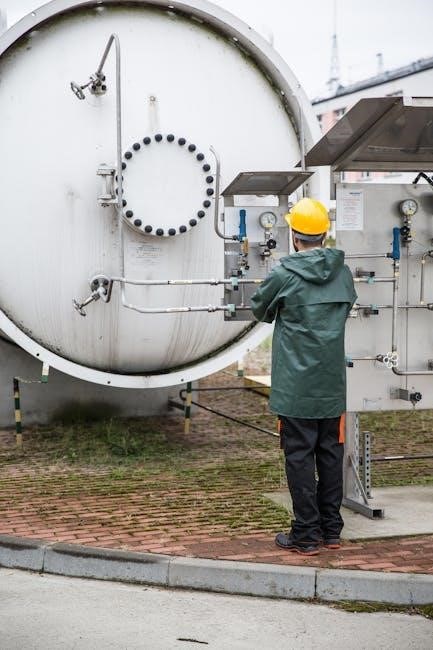
Connecting the Centurion 5000 to a natural gas supply requires a qualified gas technician to ensure compliance with local codes and safety regulations; A dedicated, properly sized natural gas supply line must be installed, with a shut-off valve readily accessible. Do not attempt this connection yourself if you are not professionally trained.
The technician will connect a flexible gas line to both the generator’s NG inlet and the gas supply, verifying all connections are leak-proof using appropriate testing methods. The gas supply pressure must match the generator’s specifications; a regulator may be necessary.
Regularly inspect the gas line for damage or leaks. Always follow all safety precautions outlined in this manual and local gas codes.
Starting the Generator
Before attempting to start the Centurion 5000, ensure all safety checks are completed, including verifying proper ventilation and ensuring no flammable materials are nearby. Confirm the generator is on a level surface and the transfer switch (if applicable) is in the correct position.
The generator offers both electric and recoil start options. Always refer to the specific procedure for your chosen starting method. For electric start, ensure the battery is fully charged and the key is inserted. For recoil start, slowly pull the recoil starter cord until resistance is felt, then pull firmly and smoothly.
If the generator fails to start, consult the troubleshooting section of this manual.
Electric Start Procedure
To initiate electric start, first verify the battery is adequately charged and securely connected. Insert the key into the ignition switch and turn it to the “ON” position. Observe the control panel for indicator lights confirming power. Next, move the choke lever to the “START” or “CLOSED” position – consult your manual for the precise setting based on ambient temperature.
Press and hold the start button. The engine should crank and, ideally, start within a few seconds. If the engine doesn’t start, release the start button, wait a few moments, and repeat the process. Avoid prolonged cranking to prevent battery drain.
Once started, gradually move the choke lever to the “RUN” or “OPEN” position. Allow the generator to warm up for a few minutes before connecting any appliances.
Recoil Start Procedure
For recoil starting, ensure the fuel valve is open and the engine switch is set to “ON”. Locate the recoil starter handle. Before pulling, position the choke lever to the “START” or “CLOSED” position, adjusting based on temperature as detailed in the manual. Gently pull the recoil handle slowly until you feel resistance.
Then, with a firm and steady motion, pull the handle briskly. Avoid pulling the cord to its maximum extent. Allow the cord to retract slowly, and repeat the process if the engine doesn’t start on the first pull.
Once the engine starts, gradually open the choke lever to the “RUN” or “OPEN” position. Let the generator run for a few minutes to warm up before connecting any loads. Be mindful of the recoil cord’s potential snapback.
Troubleshooting Starting Issues
If the Centurion 5000 fails to start, first verify fuel levels and ensure the fuel valve is open. Check the spark plug for fouling or damage; a replacement may be necessary. Confirm the choke is properly positioned – closed for cold starts, open for warm. Inspect the air filter for obstructions, cleaning or replacing it as needed.
A flooded engine can also prevent starting; if suspected, remove the spark plug and pull the starter cord several times to clear excess fuel. Ensure the engine switch is in the “ON” position. If using electric start, check the battery’s charge and connections.
Consult the manual for specific error codes or indicators. Persistent issues may require professional servicing.
Operating the Generator
Before operating the Centurion 5000, always ensure it’s placed on a level surface in a well-ventilated area, away from flammable materials. Connect appliances only after the generator has reached stable operating speed. Carefully calculate the total wattage of connected devices to avoid overloading – never exceed the 5000-watt capacity.
Monitor the generator’s performance regularly, checking for unusual noises or vibrations. Avoid running the generator in wet conditions. Use appropriately sized and rated extension cords for safe power distribution.
Remember to read the manual thoroughly before operation, and prioritize safety by preventing carbon monoxide buildup. Proper ventilation is crucial when using the generator.
Connecting Appliances
Prior to connecting any appliances to the Centurion 5000, verify their wattage requirements. Exceeding the 5000-watt limit can cause overload and damage the generator or connected devices. Use heavy-duty, outdoor-rated extension cords of the correct gauge to minimize voltage drop and ensure safe power delivery.
Connect appliances one at a time, starting with those requiring the highest wattage. Avoid using multiple high-draw appliances simultaneously. Ensure all cords are in good condition, free from cuts or damage.
Always turn off appliances before connecting or disconnecting them from the generator. Refer to the appliance’s manual for specific power requirements and operating instructions.
Wattage Calculation and Load Management
Accurate wattage calculation is crucial for safe and efficient generator operation. Determine the running wattage (continuous power needed) and starting wattage (surge power needed for motors) of each appliance. Starting wattage is typically 2-3 times the running wattage for motor-driven devices like refrigerators and air conditioners.
Total the running wattage of all appliances you intend to operate simultaneously. This sum should be less than the generator’s rated running wattage (5000 watts). Also, ensure the total starting wattage, considering the highest surge requirement, doesn’t exceed the generator’s peak wattage.
Prioritize essential appliances and stagger their operation to avoid overloading. Avoid connecting unnecessary devices.
Monitoring Generator Performance
Regularly monitor the generator’s performance during operation to ensure optimal functionality and identify potential issues. Pay close attention to the voltmeter, displaying output voltage, ensuring it remains within the specified range (120V/240V). Observe the frequency (60 Hz) for stable power delivery.
Listen for unusual noises – knocking, sputtering, or excessive vibration – which could indicate mechanical problems. Check the oil level periodically during extended use, and monitor the fuel gauge to prevent running out of fuel.
Inspect the circuit breakers for tripping, signaling an overload or short circuit. Utilize the generator’s hour meter to track runtime for scheduled maintenance. Consistent monitoring helps prevent damage and extends the generator’s lifespan.
Maintenance Schedule

Adhering to a strict maintenance schedule is crucial for the longevity and reliable operation of your Centurion 5000 generator. Every 25 hours of operation, inspect the spark plug and clean or replace as needed. After every 100 hours, thoroughly clean or replace the air filter, ensuring optimal airflow.
The oil should be changed every 50 hours, or at least annually, using the recommended oil type. Inspect fuel lines and connections for leaks or damage. Every 300 hours, check valve clearances and adjust if necessary.
A yearly inspection by a qualified technician is recommended to identify and address potential issues before they escalate. Keep a detailed maintenance log to track all services performed, ensuring consistent upkeep.
Oil Change Procedure
To change the oil on your Centurion 5000 generator, begin by warming the engine for a few minutes to ensure the oil flows more freely. Locate the oil drain plug, typically found on the lower part of the engine, and position a suitable oil drain pan underneath. Carefully remove the drain plug, allowing the old oil to completely drain.
Once drained, reinstall the plug securely. Locate the oil fill cap and add the recommended amount of new oil, specified in the manual, using a funnel to prevent spills. Check the oil level with the dipstick, ensuring it falls within the acceptable range.
Dispose of the used oil responsibly at a designated recycling center. Regularly scheduled oil changes are vital for maintaining optimal engine performance and extending the generator’s lifespan.
Air Filter Cleaning/Replacement
Maintaining a clean air filter is crucial for efficient generator operation. Periodically inspect the air filter for dirt and debris. If the filter appears dusty, attempt to clean it by gently tapping it to remove loose particles or using low-pressure compressed air, blowing from the inside out.
For heavily soiled filters, replacement is recommended. Locate the air filter housing, typically secured with clips or screws. Remove the cover and carefully take out the filter. Install the new filter, ensuring a proper seal.
Reattach the air filter housing cover securely. A clean air filter ensures adequate airflow to the engine, preventing performance issues and extending the generator’s life. Refer to the manual for specific filter type and replacement intervals.
Spark Plug Inspection/Replacement
Regular spark plug inspection is vital for reliable starting and optimal engine performance. Disconnect the spark plug wire before inspecting or replacing the plug to prevent accidental shock. Remove the spark plug using a correctly sized socket wrench.
Inspect the spark plug for signs of wear, fouling, or damage. A healthy spark plug should have a tan or gray color. Clean a fouled plug with a wire brush, or replace it if heavily worn or damaged. Ensure the gap is correct using a feeler gauge, consulting the manual for the specified measurement.
Install the spark plug carefully, tightening it to the manufacturer’s specified torque. Reconnect the spark plug wire securely. A properly functioning spark plug ensures efficient combustion and prevents starting difficulties.
Troubleshooting Common Problems
Encountering issues with your Centurion 5000? Here’s a guide to common problems and solutions. If the generator won’t start, check fuel levels, the spark plug, and ensure the choke is properly set. Low power output often indicates an overloaded generator or a dirty air filter – reduce the load or clean/replace the filter.
Overload protection issues typically stem from exceeding the generator’s wattage capacity. Disconnect some appliances to lower the load. Always refer to the wattage calculation section of this manual. If problems persist, consult a qualified technician.
Remember to prioritize safety and disconnect the generator before attempting any repairs. Regular maintenance, as outlined in the maintenance schedule, can prevent many of these issues.
Generator Not Starting
If your Centurion 5000 fails to start, systematically check several key components. First, verify sufficient fuel in the tank and ensure the fuel valve is open. Next, inspect the spark plug for fouling or damage – clean or replace as needed. Confirm the choke is correctly positioned; it should be closed for cold starts and gradually opened as the engine warms;
For electric start models, check the battery connection and charge. A weak battery won’t engage the starter. If using recoil start, ensure the recoil rope is in good condition and properly wound. Always consult the starting procedures section of this manual.
If these steps don’t resolve the issue, a qualified technician should diagnose the problem.
Low Power Output
Experiencing low power output from your Centurion 5000 generator can stem from several causes. Overloading the generator is a primary suspect; ensure the total wattage of connected appliances doesn’t exceed the 5000-watt capacity. Check for restrictions in the air filter, as a clogged filter reduces airflow and diminishes performance.
Fuel quality is also critical. Stale or contaminated gasoline can lead to reduced power. Verify the spark plug is clean and properly gapped. A malfunctioning voltage regulator can also contribute to low output; professional diagnosis is recommended in such cases.
Always refer to the wattage calculation section of this manual to avoid overloading and ensure optimal performance.
Overload Protection Issues
The Centurion 5000 generator is equipped with overload protection to prevent damage. If the generator repeatedly trips its circuit breaker or shuts down under load, an overload situation is likely. Carefully review the wattage requirements of all connected appliances and ensure they do not exceed the generator’s 5000-watt capacity.
Avoid using extension cords that are too long or of insufficient gauge, as they can cause voltage drop and trigger the overload protection. A faulty appliance drawing excessive current can also cause tripping. Disconnect appliances one by one to identify the culprit.
Refer to the ‘Wattage Calculation and Load Management’ section for guidance on safely connecting appliances and avoiding overload scenarios. Persistent issues may indicate a problem with the generator’s internal circuitry, requiring professional service.
Generator Specifications
The Centurion 5000 watt generator delivers reliable power for various applications. It operates on 120/240V, single-phase, 60Hz electricity, providing up to 5000 watts (5.0 kW) of power. This makes it suitable for powering essential appliances and tools during outages or on job sites.
The generator supports multiple fuel options, including gasoline, liquid propane (LP), and natural gas (NG), offering flexibility in fuel sourcing. Its runtime varies depending on the fuel type and load. Specific details regarding fuel capacity and consumption rates are found in the ‘Fueling the Centurion 5000’ section.
Key specifications include its engine displacement, oil capacity, and noise level. Refer to the detailed ‘Technical Data Sheet’ for a comprehensive list of specifications and dimensions.
Technical Data Sheet
Here’s a detailed breakdown of the Centurion 5000’s technical specifications. Rated Output: 5000 Watts (5;0 kW). Peak Output: 6250 Watts. Voltage: 120V/240V. Frequency: 60 Hz. Engine Type: 4-Stroke, OHV. Displacement: 223cc. Fuel Tank Capacity: 3.8 gallons. Runtime (Gasoline): Up to 11 hours (25% load). Oil Capacity: 18 oz (SAE 10W-30).
Noise Level: 69 dBA (at 7 meters). Starting System: Electric Start & Recoil Start. Fuel Type: Gasoline, LP Gas, Natural Gas. LP Gas Consumption: 0.91 lbs/hr. Natural Gas Consumption: 78.4 SCFH. Dimensions (L x W x H): 25.6 x 18.1 x 17.7 inches. Weight: 128 lbs.
These specifications are subject to change without notice. Always refer to the product label or contact customer support for the most up-to-date information. Proper maintenance, as outlined in this manual, is crucial for optimal performance.
Warranty Information
The Centurion 5000 Watt Generator is covered by a limited warranty, protecting against defects in materials and workmanship. This warranty begins on the date of original purchase. Residential use is covered for two years, while commercial use is covered for one year. The warranty covers parts and labor for repairs or replacement, at the manufacturer’s discretion.
This warranty does not cover damage resulting from misuse, improper maintenance, accidents, or unauthorized modifications. Normal wear and tear is also excluded. To make a warranty claim, you must provide proof of purchase and contact customer support.
Registration of your generator is highly recommended to expedite the warranty process. Full warranty details, including limitations and exclusions, are available in the separate warranty document included with your generator. Retain this document for your records.
Locating Additional Resources & Manual Downloads

For comprehensive support and resources regarding your Centurion 5000 Watt Generator, several avenues are available. The manufacturer’s website offers a dedicated support section with frequently asked questions, troubleshooting guides, and downloadable manuals in PDF format. Utilizing your generator’s serial number allows for quick access to specific product information.

Online forums and communities dedicated to generators can provide valuable insights and peer-to-peer assistance. Generac’s website also provides access to a network of authorized service dealers for professional repairs and maintenance.
Furthermore, many retailers offer online resources, including product registration and access to digital manuals. Remember to always refer to the official manufacturer’s documentation for the most accurate and up-to-date information regarding your Centurion 5000.