
Frittata with Vegetables: A Complete Cooking Guide (Updated 12/14/2025)
Discover a delightful and healthy meal option! This guide unveils the secrets to crafting a superb vegetable frittata, perfect for brunch, lunch, or a quick dinner.
Embrace simplicity and nutrition. Learn how to transform everyday vegetables into a flavorful, satisfying dish, ideal for meal prepping or impressing visiting vegetarians.
Effortless cooking awaits you. From quick preparation to easy baking, this frittata recipe delivers a nutrient-dense and delicious experience, minimizing cleanup time.
A versatile base for creativity. Explore variations and additions to customize your frittata, ensuring a delightful culinary journey every time you step into the kitchen.
Enjoy a batch-cooking solution. This recipe is perfect for making ahead, providing a convenient and wholesome meal throughout the week, especially for busy new moms.
Master the art of the baked omelet. This crustless quiche alternative offers a fantastic way to enjoy eggs and vegetables, creating a complete and balanced meal.
What is a Frittata?
A frittata, at its heart, is an Italian egg-based dish, remarkably similar to an omelet or a crustless quiche. However, it distinguishes itself through its cooking method and versatility. Unlike omelets which are typically cooked quickly and folded, frittatas begin on the stovetop and finish in the oven, resulting in a beautifully set and slightly puffed texture.
Think of it as an open-faced omelet, brimming with possibilities! While traditional frittatas often include meats and cheeses, vegetable frittatas are incredibly popular, offering a healthy and flavorful meal option. They’re a fantastic way to utilize leftover vegetables, transforming them into something truly special.
The beauty of a frittata lies in its simplicity and adaptability. It’s a forgiving dish, perfect for beginner cooks or those seeking a quick and easy meal. It’s a complete meal in one pan, making it ideal for brunch, lunch, or even a light dinner.
The Origins of Frittata
The story of the frittata is deeply rooted in Italian culinary history, with origins tracing back to ancient Rome. The word “frittata” itself is believed to derive from the Italian verb “friggere,” meaning “to fry.” Historically, frittatas were a resourceful way for Italian cooks to utilize leftover ingredients, particularly eggs and vegetables.
Initially, frittatas were a peasant dish, a practical and economical meal for families. They were often cooked outdoors over an open fire, and served as a substantial and satisfying meal. Over time, the frittata evolved, becoming a staple throughout Italy, with regional variations emerging.
While the exact origins are debated, the frittata’s enduring popularity speaks to its simplicity and deliciousness. It represents the Italian tradition of “cucina povera,” or “poor kitchen,” where resourcefulness and flavor go hand in hand. Today, it’s enjoyed worldwide, celebrated for its versatility and health benefits.
Why Choose a Vegetable Frittata?
Opting for a vegetable frittata presents a wealth of benefits, making it an ideal choice for health-conscious individuals and busy lifestyles. It’s a fantastic way to increase your vegetable intake, providing essential vitamins, minerals, and fiber.
Frittatas are incredibly versatile, allowing you to customize them with your favorite seasonal vegetables. They’re also a brilliant solution for using up leftover produce, minimizing food waste and maximizing flavor. Compared to traditional omelets, frittatas are less demanding, requiring less attention during cooking.
Furthermore, a vegetable frittata is a complete meal in itself, offering a satisfying combination of protein and nutrients. It’s perfect for brunch, lunch, or a light dinner, and can even be enjoyed cold, making it a convenient meal-prep option. Embrace a delicious and nutritious choice!
Essential Ingredients for a Great Vegetable Frittata
Success begins with quality components! Fresh eggs, vibrant vegetables, and flavorful seasonings are key to unlocking a truly exceptional and satisfying frittata experience.
Eggs: The Foundation
Eggs are undeniably the star of any frittata, providing both structure and richness to this versatile dish. Their ability to bind ingredients together creates a cohesive and satisfying meal. For optimal results, use fresh, high-quality eggs – they truly make a difference in flavor and texture.
The quantity of eggs needed will depend on the size of your skillet, but generally, 6-8 large eggs are sufficient for a standard 10-inch oven-safe skillet. Don’t be afraid to experiment with different egg types, such as free-range or organic, to enhance the overall quality of your frittata.
Properly whisking the eggs is crucial for achieving a light and fluffy texture. Whisk vigorously until the yolks and whites are fully combined and slightly frothy. This incorporates air, resulting in a more tender and appealing frittata.
Vegetable Selection: Best Choices
The beauty of a vegetable frittata lies in its adaptability! Almost any vegetable can be incorporated, allowing for endless flavor combinations. However, some vegetables lend themselves particularly well to this dish. Consider options that soften nicely during cooking and complement the eggs.
Mediterranean flavors shine with zucchini, bell peppers, and onions. Spinach and mushrooms offer earthy notes, while asparagus adds a touch of spring freshness. Don’t overlook the potential of roasted vegetables – they bring a deeper, more concentrated flavor.
Pre-cooking is key for denser vegetables like potatoes or broccoli, ensuring they’re tender before adding them to the egg mixture. Remember to drain excess moisture from vegetables like spinach to prevent a soggy frittata.
Dairy: Milk, Cream, or Cheese?
Dairy additions elevate a vegetable frittata, contributing to both flavor and texture. While not strictly necessary, a touch of dairy creates a richer, more custardy result. The choice between milk, cream, or cheese depends on your desired outcome.
Milk provides a lighter texture and subtle flavor, making it a good option for a healthier frittata. Cream delivers a luxurious richness, ideal for a more indulgent dish. A splash of either helps create a softer set.
Cheese adds savory depth and a delightful melt. Feta, with its salty tang, pairs beautifully with spinach. Cheddar or Gruyère offer classic, comforting flavors. Incorporate about ½ cup of grated cheese for optimal distribution and flavor.
Seasoning: Herbs and Spices
Seasoning is crucial for unlocking the full potential of your vegetable frittata. Don’t underestimate the power of herbs and spices to elevate the flavors of your chosen vegetables and eggs!
Classic choices include salt, pepper, and garlic powder, forming a foundational flavor base. However, feel free to experiment! Italian seasoning complements Mediterranean vegetable combinations beautifully.
Fresh herbs, added towards the end of cooking, provide a vibrant aroma and flavor. Parsley, chives, or basil are excellent options. For a bolder taste, consider a pinch of red pepper flakes for a subtle heat.
Don’t be afraid to tailor the seasoning to the specific vegetables you’re using. A sprinkle of nutmeg enhances the flavor of spinach and mushrooms, while smoked paprika pairs well with roasted vegetables.
Equipment Needed
Essential tools simplify frittata creation! You’ll require an oven-safe skillet, mixing bowls, and basic utensils for whisking and prepping vegetables efficiently.
Proper equipment ensures success. Having the right tools streamlines the cooking process, resulting in a perfectly baked and flavorful vegetable frittata.
Oven-Safe Skillet: Size and Material
Selecting the right skillet is crucial for a successful frittata. A 10-inch skillet is generally ideal for a standard recipe, comfortably accommodating the egg and vegetable mixture. However, sizes can vary depending on the number of servings desired.
Material matters significantly. Cast iron skillets are highly recommended due to their excellent heat retention and even cooking properties, ensuring a beautifully browned and evenly cooked frittata. Stainless steel skillets with oven-safe handles are also a viable option, offering durability and ease of cleaning.
Avoid non-stick skillets if possible. While convenient, they may not withstand the high oven temperatures required for finishing the frittata, and can sometimes impart unwanted flavors. Ensure your chosen skillet can safely transition from stovetop to oven without damage.
A sturdy skillet is key. It needs to handle both initial stovetop cooking and the final baking process without warping or overheating.
Mixing Bowls and Utensils
Essential tools streamline the frittata-making process. You’ll need a set of mixing bowls – a medium bowl for whisking the eggs and a larger bowl for combining the vegetables. Stainless steel or glass bowls are preferred as they don’t react with ingredients.
A whisk is paramount for achieving a light and fluffy texture. A balloon whisk is ideal for incorporating air into the eggs, creating a delicate frittata. Alternatively, a fork can be used for smaller batches.
A spatula is indispensable for gently folding the vegetables into the egg mixture and for loosening the frittata from the skillet. Choose a heat-resistant spatula to avoid melting during stovetop cooking.
Basic measuring cups and spoons ensure accurate ingredient proportions, contributing to a consistently delicious result. Having these tools readily available simplifies preparation.
Step-by-Step Cooking Instructions
Begin with vegetable preparation, then whisk eggs thoroughly. Combine, cook on the stovetop briefly, and finish baking for a delightful, easy, and healthy frittata!
Preparing the Vegetables
The foundation of a flavorful frittata lies in properly prepared vegetables. Begin by selecting your preferred vegetables – options abound, from spinach and mushrooms to onions and peppers. Thoroughly wash and chop them into bite-sized pieces, ensuring even cooking.
Pre-cooking is often beneficial. Depending on the vegetable’s density, sautéing or roasting them beforehand can enhance their flavor and texture, preventing a soggy frittata. Onions and mushrooms, for instance, benefit from a quick sauté to release their moisture.
Consider the cooking time of each vegetable. Heartier vegetables like potatoes will require longer pre-cooking than softer ones like spinach. This step guarantees that all vegetables are tender and flavorful when the frittata is finished. Don’t overcrowd the pan during pre-cooking; work in batches if necessary.
Whisking the Eggs
Achieving a light and fluffy frittata begins with properly whisked eggs. In a large bowl, crack your desired number of eggs – the foundation of this delightful dish. Add a splash of dairy, such as milk or cream, for added richness and texture.
Whisk vigorously until the yolks and whites are fully combined. You’re aiming for a homogenous mixture, light in color and slightly frothy. Avoid over-whisking, as this can lead to a tough frittata. A gentle, consistent motion is key.
Season generously with salt and pepper. Don’t be shy with the seasoning; it’s crucial for bringing out the flavors of the eggs and vegetables. Incorporate any desired herbs or spices at this stage, ensuring they are evenly distributed throughout the mixture.
Combining Vegetables and Eggs
Gently fold the prepared vegetables into the whisked egg mixture. This step is crucial for even distribution, ensuring every bite is packed with flavor and texture; Avoid stirring vigorously, as this can deflate the eggs and result in a denser frittata.
Ensure the vegetables are evenly coated with the egg mixture. A light hand is essential; you want to incorporate the vegetables without overworking the eggs. This delicate process maintains the airy texture vital for a perfect frittata.
Consider the moisture content of your vegetables. If using watery vegetables like spinach, squeeze out excess liquid beforehand to prevent a soggy frittata. A balanced ratio of vegetables to eggs is key for optimal results, creating a harmonious blend of flavors.
Cooking on the Stovetop
Place the oven-safe skillet over medium heat. Add a tablespoon of oil or butter, ensuring it coats the bottom evenly. Pour the vegetable and egg mixture into the heated skillet, distributing it uniformly.
Cook for approximately 5-7 minutes, allowing the edges to set and the bottom to begin to solidify. Gently lift the edges with a spatula to allow uncooked egg to flow underneath, promoting even cooking. Avoid stirring!
Reduce the heat to low if the bottom is browning too quickly. The goal is to partially cook the frittata on the stovetop, creating a foundation for finishing in the oven. This initial stovetop cooking sets the base and prevents sticking.
Finishing in the Oven
Preheat your oven to 350°F (175°C). Carefully transfer the skillet from the stovetop to the preheated oven. Ensure the handle is oven-safe or covered with a thick cloth or silicone grip to prevent burns.
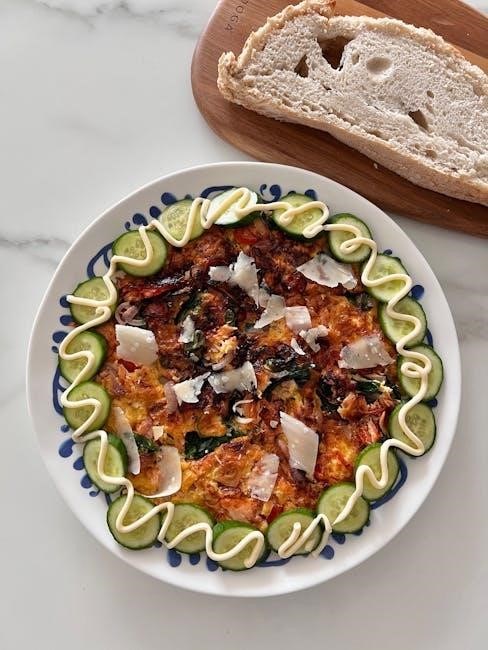
Bake for 15-20 minutes, or until the frittata is puffed and golden brown. A knife inserted into the center should come out clean, indicating it’s fully cooked. The oven completes the cooking process, ensuring a fluffy texture.
Let the frittata cool slightly before slicing and serving. This allows it to set further, making it easier to cut and maintain its shape. Enjoy this healthy and versatile dish as a brunch, lunch, or dinner option!

Flavor Variations & Additions
Elevate your frittata! Explore Mediterranean flavors, spinach and feta combinations, or classic mushroom and onion pairings for a delightful culinary experience.
Mediterranean Vegetable Frittata
Transport your taste buds to the sun-drenched shores of the Mediterranean! This variation bursts with vibrant flavors, incorporating classic ingredients like sun-dried tomatoes, Kalamata olives, and crumbled feta cheese. Begin by sautéing chopped zucchini, bell peppers, and red onion until tender-crisp, then add a generous handful of spinach towards the end.
Infuse the eggs with aromatic herbs such as oregano and basil, creating a fragrant base for the frittata. Once combined with the vegetables, pour the mixture into an oven-safe skillet and sprinkle liberally with feta. The salty tang of the cheese perfectly complements the sweetness of the roasted vegetables.
A drizzle of olive oil before baking adds richness and enhances the Mediterranean essence. This frittata is a delightful and healthy option, offering a taste of sunshine in every bite – perfect for brunch or a light lunch!
Spinach and Feta Frittata
A classic combination, elevated! This Spinach and Feta Frittata delivers a delightful balance of earthy greens and tangy cheese. Begin by wilting a generous amount of fresh spinach in a skillet with a touch of garlic – ensuring excess moisture is removed is key.
Creamy feta cheese is the star, crumbled generously throughout the egg mixture. Consider adding a pinch of nutmeg to enhance the spinach’s flavor and complement the feta’s saltiness. A simple seasoning of salt and pepper allows the core ingredients to truly shine.
This frittata is incredibly versatile, serving as a satisfying breakfast, a light lunch, or even a quick and healthy dinner. It’s a go-to recipe for those seeking a vegetarian option that’s both flavorful and easy to prepare, making it ideal for family gatherings!
Mushroom and Onion Frittata
Earthy and savory perfection! The Mushroom and Onion Frittata offers a deeply flavorful experience. Begin by sautéing sliced onions until caramelized, creating a sweet and savory base. Add sliced mushrooms – cremini, shiitake, or a blend – and cook until tender and browned, releasing their rich umami.
A touch of thyme elevates the flavors, complementing the earthiness of the mushrooms and onions. Deglaze the pan with a splash of dry white wine for added depth, allowing the alcohol to evaporate before adding the egg mixture.
This frittata is a hearty and satisfying meal, perfect for a weekend brunch or a comforting weeknight dinner. It’s a fantastic way to showcase the natural flavors of these humble vegetables, creating a truly memorable dish.
Serving and Storage
Enjoy warm or at room temperature! This versatile frittata suits brunch, lunch, or dinner. Store leftovers properly for up to three days of deliciousness.
Serving Suggestions: Brunch, Lunch, or Dinner
A versatile delight! A vegetable frittata effortlessly transitions from a relaxed brunch centerpiece to a light yet satisfying lunch, or even a complete and healthy dinner. For brunch, pair slices with a fresh fruit salad and a side of whole-wheat toast.
Lunchtime ease. Enjoy a frittata wedge with a simple green salad dressed with a vinaigrette for a quick and nutritious midday meal. It’s also fantastic cold, making it ideal for picnics or packed lunches.
Dinner satisfaction. Serve a larger portion alongside a crusty bread and a vibrant side of roasted vegetables for a wholesome and fulfilling dinner; Consider adding a dollop of Greek yogurt or a sprinkle of fresh herbs for extra flavor and presentation.
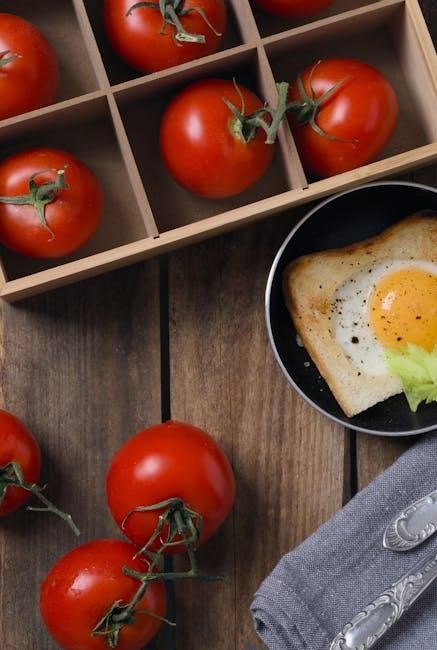
Impressive and easy. This dish is perfect for gatherings, offering a vegetarian option that’s sure to please.
Storing Leftover Frittata
Maximize freshness! Leftover vegetable frittata stores remarkably well, making it a fantastic meal prep option. Allow the frittata to cool completely before storing. This prevents condensation, which can lead to a soggy texture.
Proper container is key. Transfer the cooled frittata to an airtight container. You can use a shallow container to maintain its shape or cut it into individual portions for easy grab-and-go meals.
Refrigeration duration. Store the frittata in the refrigerator for up to 3-4 days. Properly stored, it will retain its flavor and texture beautifully.
Freezing for longer storage. For longer preservation, wrap individual slices tightly in plastic wrap, then place them in a freezer-safe bag or container. It can be frozen for up to 2 months, though texture may slightly change upon thawing.
Reheating Instructions
Revive your frittata! Reheating leftover vegetable frittata is simple and restores its deliciousness. The best method depends on your preference and time constraints.
Oven reheating for optimal texture. Preheat your oven to 350°F (175°C). Place the frittata slice on a baking sheet and reheat for 10-15 minutes, or until heated through. This method helps maintain a fluffy texture.
Microwave for quick convenience. For a faster option, microwave individual portions on medium power for 1-2 minutes. Be mindful of potential uneven heating; stir halfway through.
Skillet reheating for a crispy base. Reheat a slice in a lightly oiled skillet over medium-low heat for 3-5 minutes, flipping once. This creates a slightly crispy bottom. Ensure the internal temperature reaches 165°F (74°C) before consuming.
Tips for Frittata Success
Achieve frittata perfection! Avoid dryness by not overcooking, and embrace customization with your favorite vegetables for a truly delightful and satisfying meal.
Avoiding a Dry Frittata
The key to a moist frittata lies in mindful cooking. Overbaking is the primary culprit behind a dry, rubbery texture, so careful attention is crucial. Begin by ensuring your vegetables are adequately sautéed before combining them with the egg mixture; this pre-cooking releases moisture that will contribute to the final dish’s tenderness.
Don’t overcook on the stovetop! A brief stovetop start simply sets the edges; the majority of the cooking happens in the oven. Furthermore, a lower oven temperature (around 350°F/175°C) promotes gentle, even cooking, preventing the eggs from becoming tough.
Consider adding a touch of dairy. A splash of milk, cream, or even a spoonful of ricotta cheese can introduce extra moisture and richness. Finally, remember to remove the frittata from the oven just before it appears fully set – carryover cooking will finish the job, leaving you with a beautifully moist and flavorful result;
Achieving a Fluffy Texture
A light and airy frittata is within reach! The secret isn’t complicated – it’s all about incorporating air into the eggs. Vigorous whisking is paramount; aim for a pale, frothy mixture that almost doubles in volume. Don’t be shy – really work those eggs!
Gentle handling is key. Once the vegetables are combined with the egg mixture, avoid overmixing. Overmixing develops gluten (even though there’s no flour!), resulting in a denser, less fluffy frittata.
A brief rest can help. Allowing the egg and vegetable mixture to sit for a few minutes before cooking allows the bubbles to stabilize, contributing to a lighter texture. Finally, resist the urge to press down on the frittata while it’s cooking; let it puff up naturally in the oven for optimal fluffiness.
Customizing with Different Vegetables
The beauty of a frittata lies in its versatility! Feel free to experiment with your favorite seasonal vegetables. Spinach and feta create a classic Mediterranean flavor, while mushrooms and onions offer an earthy depth.

Consider pre-cooking harder vegetables. Root vegetables like potatoes or carrots benefit from a quick sauté or blanching before being added to the egg mixture, ensuring they cook through evenly. Softer vegetables, like zucchini or bell peppers, can often be added directly.
Don’t be afraid to combine flavors. Roasted red peppers and olives, broccoli and cheddar, or asparagus and goat cheese – the possibilities are endless! Remember to adjust seasoning accordingly to complement your chosen vegetables.
Frittata as a Meal Prep Option
Frittatas are exceptionally well-suited for meal prepping! Their ability to be served at room temperature, or easily reheated, makes them ideal for busy weeknights or grab-and-go breakfasts. Prepare a large frittata on Sunday and enjoy portions throughout the week.
Cut into individual slices for convenient servings. Store the slices in airtight containers in the refrigerator for up to 3-4 days. This eliminates the need for daily cooking and ensures a healthy, satisfying meal is always available;
Consider portion sizes when prepping. A frittata provides a balanced combination of protein and vegetables, making it a complete meal. Pair with a side salad or some whole-grain toast for added carbohydrates if desired.