

Opalescence Whitening: A Comprehensive Guide (Updated December 14, 2025)
Opalescence whitening systems offer diverse options, from custom trays to pre-filled Go trays and professional Pro treatments, all designed for a brighter smile.
Opalescence PF is now Opalescence Custom, maintaining carbamide peroxide concentrations and flavors for personalized plans, addressing sensitivity concerns effectively.
Wear Opalescence 20 for 2-4 hours, removing excess gel and rinsing thoroughly; discontinue use if sensitivity arises, consulting your dentist promptly.
The Opalescence 7-Pack bundle and Opal mouthwash expand whitening options, while at-home solutions like pens and strips gain popularity for convenience.
Opalescence Boost is now Opalescence Pro, offering a streamlined in-office procedure for professional results, guided by expert step-by-step instructions.
Opalescence whitening systems represent a leading choice for both dental professionals and patients seeking effective and reliable teeth whitening solutions. Developed by Ultradent Products, Inc;, Opalescence offers a comprehensive range of products designed to cater to diverse needs and preferences. From convenient, pre-filled trays like Opalescence Go, to customizable at-home treatments with Opalescence Custom (formerly PF), and powerful in-office procedures now known as Opalescence Pro (previously Boost), the brand provides flexibility and control.
The core of Opalescence’s success lies in its patented formula, utilizing carbamide peroxide to gently yet effectively lift stains and brighten enamel. Available in varying concentrations – from 10% to 40% – Opalescence allows dentists to tailor treatment plans based on individual sensitivity levels and desired results. The recent rebranding reflects a commitment to innovation and a streamlined product experience, while maintaining the quality and efficacy patients have come to expect.
Understanding the nuances of each system is crucial for achieving optimal outcomes, and detailed instructions, often found in accompanying PDFs, are essential for both professionals and those undertaking at-home whitening.
Understanding the Opalescence Brand Evolution
Opalescence’s journey reflects a dedication to innovation and responding to both professional and patient demands. Initially recognized for its PF (Powerfully Fresh) system, the brand has strategically evolved, most notably with the rebranding of Opalescence PF to Opalescence Custom whitening. This change emphasizes the customizable nature of the at-home treatment, retaining all five carbamide peroxide concentrations and existing flavors, ensuring continued personalization for varying sensitivity levels.
Furthermore, Opalescence Boost, a popular in-office whitening solution, has been rebranded as Opalescence Pro, streamlining the professional offering. These updates aren’t merely cosmetic; they represent a commitment to clarity and a more intuitive product line.
The introduction of products like the Opalescence 7-Pack bundle and Opal by Opalescence mouthwash expands the brand’s reach beyond traditional whitening, catering to a broader range of oral care needs. Detailed instructions, often available as downloadable PDFs, accompany each product, guiding users through optimal application and care.
Opalescence PF vs. Opalescence Custom Whitening
The transition from Opalescence PF to Opalescence Custom whitening represents a branding update, not a formula change. Both systems utilize custom-fitted trays created from dental impressions, ensuring optimal gel contact and whitening efficacy. The core benefit remains the same: a personalized, at-home whitening experience tailored to individual needs.
Opalescence PF was well-regarded, but the name change to Opalescence Custom better reflects the system’s inherent flexibility. All five carbamide peroxide concentrations – ranging for sensitivity – and all available flavors are maintained, allowing dentists to create bespoke treatment plans.
Detailed Opalescence whitening instructions, often found in accompanying PDFs, cover tray fitting, gel application (2-4 hours for 20% concentration), and post-treatment care. The emphasis remains on professional guidance and patient compliance for achieving optimal results and minimizing sensitivity.
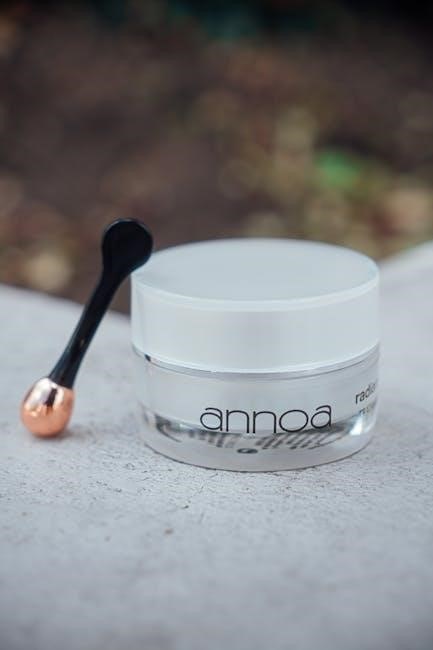
Opalescence Whitening Products Available
Opalescence offers diverse solutions: Go pre-filled trays, Boost (now Pro) in-office whitening, 7-Pack bundles, and Opal mouthwash, all detailed in PDFs.
Opalescence Go – Pre-filled Trays
Opalescence Go pre-filled trays represent a remarkably convenient at-home whitening solution, eliminating the need for messy gel applications and custom tray fittings. These disposable trays are pre-filled with a carbamide peroxide whitening gel, simplifying the entire process for users seeking noticeable results. Detailed instructions, readily available in downloadable PDF guides, outline a straightforward application procedure – simply place the tray over your teeth and gently bite down for the recommended wear time.
Opalescence Go trays are available in various peroxide concentrations to accommodate individual sensitivity levels and desired whitening intensity. The PDF instructions emphasize the importance of avoiding gel contact with gums and following the specified wear times, typically ranging from 30 minutes to several hours, depending on the chosen concentration. Proper disposal of the trays after each use is also highlighted within the PDF documentation, ensuring optimal hygiene and effectiveness.
Opalescence Boost – In-Office Whitening (Now Opalescence Pro)
Opalescence Boost, now known as Opalescence Pro, delivers rapid and dramatic teeth whitening results within a professional dental setting. Detailed instructions, accessible via comprehensive PDF guides, outline the step-by-step procedure for dental professionals. The process typically involves applying a high-concentration hydrogen peroxide gel to the teeth, often activated by a specialized LED whitening light. These PDF resources emphasize precise application techniques to minimize gum irritation and maximize whitening efficacy.
Opalescence Pro’s PDF instructions detail the recommended application times, usually multiple short sessions, and post-treatment protocols. These protocols include rinsing procedures and patient aftercare guidance to manage potential sensitivity. The guides also highlight the importance of proper isolation techniques to protect soft tissues during the whitening process. Professionals can access detailed training materials and troubleshooting tips within the downloadable PDF, ensuring consistent and optimal results for their patients.
Opalescence 7-Pack Whitening Bundle
The Opalescence 7-Pack Whitening Bundle, released in April 2025, provides a comprehensive at-home whitening solution. Detailed instructions, available as a downloadable PDF, guide users through the entire process. This bundle typically includes seven days of custom-fitted trays and whitening gel, designed for convenient daily use. The PDF emphasizes the importance of accurate tray fitting, ensuring optimal gel contact with the teeth for maximum effectiveness.
Opalescence’s PDF instructions outline the recommended gel application technique, wear time (typically 2-4 hours), and post-treatment rinsing procedures. It also addresses potential sensitivity, offering strategies for mitigation. The guide stresses the importance of following the outlined schedule for consistent results and avoiding over-whitening. Users can find troubleshooting tips and frequently asked questions within the PDF, ensuring a smooth and successful whitening experience.
Opal by Opalescence Whitening Mouthwash
Opal by Opalescence Whitening Mouthwash, launched in August 2024, complements existing Opalescence whitening treatments. While a dedicated PDF instruction manual isn’t typically provided for the mouthwash alone, usage guidelines are readily available on opalsmile.com and Amazon product pages. These resources detail how to incorporate the mouthwash into a daily oral hygiene routine for enhanced whitening and stain prevention.
The guidelines recommend rinsing with Opal mouthwash after brushing, ensuring thorough coverage of all tooth surfaces. It’s designed for daily use and doesn’t require a specific timing alongside tray-based whitening. Information within the product descriptions emphasizes its enamel-safe formula and refreshing mint flavor. Users seeking detailed integration with Opalescence systems can refer to the comprehensive whitening instructions PDF, which often includes supplemental mouthwash recommendations for optimal results and maintenance.
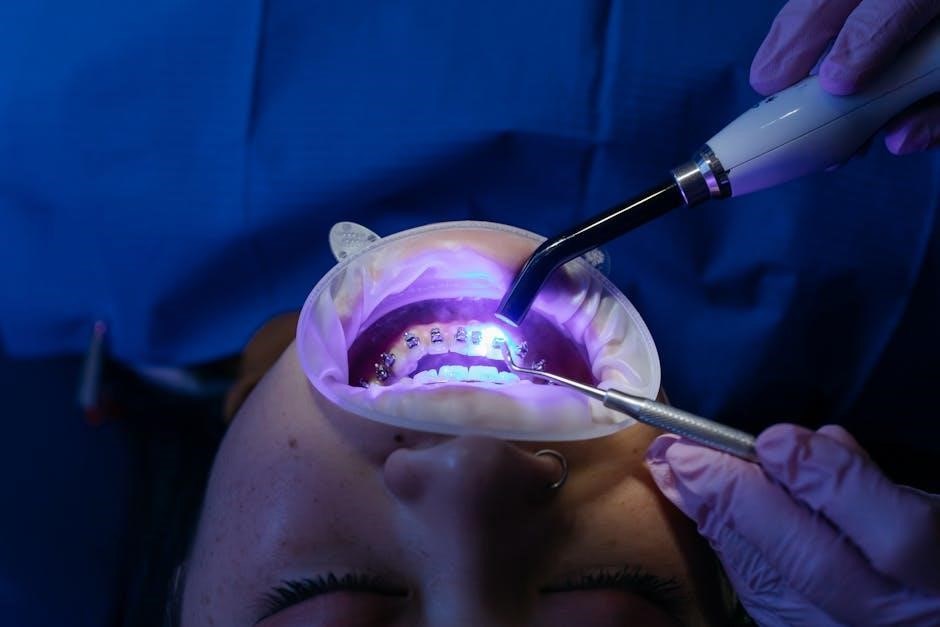
At-Home Opalescence Whitening: Step-by-Step Instructions
Opalescence at-home whitening relies on custom trays and gel application; detailed PDF instructions cover tray fitting, gel usage, wear times, and post-treatment care.
Preparing for Opalescence Whitening
Before beginning Opalescence at-home whitening, a comprehensive dental examination is crucial to ensure suitability and address any existing oral health concerns, like cavities or gum disease.
PDF instructions emphasize professional cleaning to remove plaque and surface stains, maximizing gel contact with tooth enamel for optimal whitening results.
Patients should discontinue using whitening toothpastes or other whitening products for several days prior to treatment, as these can increase sensitivity.
It’s recommended to address any significant sensitivity issues before starting, potentially using desensitizing toothpastes as directed by your dentist.
Review the complete Opalescence whitening instructions PDF carefully, understanding the entire process, potential side effects, and proper usage guidelines for safe and effective whitening.
Ensure you have all necessary materials – custom trays, whitening gel, and any recommended desensitizing products – readily available before commencing treatment.
Custom Tray Fitting Process
The Opalescence custom tray fitting, detailed in the PDF instructions, begins with your dentist taking precise impressions of your upper and lower teeth.
These impressions are then sent to a dental lab, where custom-fitted trays are fabricated to perfectly conform to your unique dental anatomy.
Upon receiving the trays, your dentist will assess the fit, ensuring a snug and comfortable seal against your teeth to prevent gel leakage and maximize whitening efficacy.
Adjustments are made as needed to eliminate any pressure points or areas of discomfort, guaranteeing a pleasant whitening experience.
The PDF emphasizes the importance of proper tray fit for even gel distribution and minimizing gum irritation during treatment.
Patients are instructed on how to correctly insert and remove the trays, ensuring they understand the process before starting the whitening regimen.
Gel Application Technique
The Opalescence PDF instructions detail a precise gel application technique for optimal results. Begin by thoroughly drying the custom trays with a lint-free wipe.
Using the provided syringe, carefully dispense a small ribbon of Opalescence whitening gel into each tray, following the contours of the teeth.
Avoid overfilling the trays, as excess gel can cause gum irritation and increase swallowing risk; a thin, even layer is ideal.
The PDF stresses applying just enough gel to cover the facial surfaces of the teeth, ensuring contact without excessive spillage.
After application, gently wipe away any gel that may have contacted the gums with a clean, damp cotton swab.
Immediately insert the trays into your mouth, ensuring they are securely seated against your teeth, as outlined in the PDF guide.
Wear Time Guidelines (2-4 Hours for 20%)
The Opalescence PDF clearly outlines wear time guidelines based on gel concentration. For the 20% carbamide peroxide formula, a wear time of 2 to 4 hours is recommended.

Initial treatments may begin with shorter durations, gradually increasing as tolerated, to minimize potential sensitivity, as detailed in the PDF.
Consistent wear times are crucial for achieving predictable and noticeable whitening results, according to the Opalescence instructions.
The PDF advises against exceeding the recommended wear time, as prolonged exposure may increase sensitivity without significantly enhancing whitening.
Patients should remove the trays after the designated period, rinse thoroughly, and store them properly, following the PDF’s storage instructions.
Monitoring for sensitivity is key; if discomfort arises, reduce wear time or discontinue use, consulting a dentist as advised in the PDF guide.
Post-Treatment Rinse and Care
The Opalescence PDF emphasizes a thorough post-treatment rinse to remove residual gel. Rinse twice with cool water, ensuring no gel is swallowed, as detailed in the instructions.
Avoid consuming colored beverages or foods for at least 30 minutes following gel removal to prevent staining, as highlighted in the PDF guide.
Gentle brushing with a soft-bristled toothbrush is recommended after rinsing, but avoid abrasive toothpastes that could increase sensitivity, per the PDF.
Tray cleaning is crucial; the PDF instructs using a soft brush and cool tap water to remove gel residue and maintain hygiene.
Proper tray storage, in the provided case, is essential to prevent contamination and maintain their shape, as outlined in the Opalescence PDF.
Continued oral hygiene practices, including regular brushing and flossing, are vital for maintaining whitening results, as emphasized in the PDF.

Managing Sensitivity During Whitening
The Opalescence PDF details sensitivity as a common side effect; discontinue use and consult your dentist if it becomes significant, as instructed.
Strategies include reducing wear time and using sensitivity toothpaste, per the PDF guidelines, for a more comfortable whitening experience.
Common Causes of Sensitivity
The Opalescence whitening instructions PDF identifies several factors contributing to temporary tooth sensitivity during the whitening process. Primarily, the penetration of whitening agents, like carbamide peroxide, into the enamel can briefly open dentinal tubules, exposing nerve endings.
Pre-existing conditions, such as gum recession, thin enamel, or microscopic cracks in the teeth, can exacerbate this effect, making individuals more prone to sensitivity. Additionally, prolonged or frequent whitening sessions, or using higher concentrations of peroxide, can increase the likelihood and intensity of discomfort.
The PDF also notes that individuals with naturally sensitive teeth, or those who have undergone recent dental procedures, may experience heightened sensitivity. Proper tray fit is crucial; ill-fitting trays allow gel leakage, irritating gums and increasing sensitivity. Following the recommended wear times outlined in the PDF is essential to minimize discomfort.
Strategies to Reduce Sensitivity
The Opalescence whitening instructions PDF details several strategies to mitigate sensitivity. Utilizing a desensitizing toothpaste containing potassium nitrate for several weeks prior to and during whitening is highly recommended, building enamel resilience.
Reducing wear time, as suggested in the PDF (starting with 2 hours for 20% gel), can lessen irritation. Employing a lower concentration of peroxide may also be beneficial for sensitive individuals. Ensuring a proper tray fit, preventing gel contact with gums, is crucial.
The PDF advises a break from whitening if significant sensitivity occurs, resuming only when discomfort subsides. Fluoride treatments, prescribed by your dentist, can help remineralize enamel and reduce sensitivity. Avoiding extremely hot or cold foods and beverages during treatment can also provide relief. Consistent oral hygiene practices are paramount.

When to Consult Your Dentist
The Opalescence whitening instructions PDF emphasizes consulting your dentist before initiating treatment, particularly with existing dental issues. Seek professional advice if you experience persistent or severe tooth sensitivity that doesn’t subside with recommended strategies.
Immediate dental attention is crucial if you notice any changes in gum health, such as swelling, redness, or bleeding, during the whitening process. Report any unusual pain or discomfort beyond typical sensitivity. The PDF also advises consulting your dentist if you accidentally swallow whitening gel;
Furthermore, if you have restorations like crowns or veneers, discuss whitening with your dentist as these won’t lighten with the treatment. Regular check-ups are vital to monitor progress and ensure the safety and effectiveness of Opalescence whitening.

Opalescence Whitening: Frequently Asked Questions
The Opalescence PDF addresses common queries: how whitening works, suitability for all, and maintaining results, offering guidance for a brighter, healthier smile.
Why whiten teeth? The PDF explains benefits, while clarifying whitening isn’t universally suitable, requiring dentist consultation for optimal outcomes and safety.
How Does Opalescence Whitening Work?
Opalescence whitening, detailed in the instruction PDF, utilizes carbamide peroxide as its active ingredient to effectively brighten teeth. This peroxide penetrates the enamel, breaking down stubborn stains caused by coffee, tea, wine, and tobacco. The PDF explains that the process doesn’t alter the intrinsic tooth color, but rather lightens existing discoloration.
Different Opalescence products, as outlined in the PDF, offer varying peroxide concentrations (from 10% to 20%) and application methods – custom trays, pre-filled trays (Go), or in-office treatments (Pro). The PDF emphasizes that the higher the concentration, the faster the results, but also potentially the greater the sensitivity.
The PDF further clarifies that the released oxygen from the peroxide creates a gentle bleaching action, restoring teeth to their natural whiteness. It’s a safe and effective method when followed precisely as instructed within the PDF guidelines, ensuring optimal results and minimizing potential side effects.
Is Teeth Whitening Suitable for Everyone?
The Opalescence whitening PDF instructions clearly state that teeth whitening isn’t universally suitable. Individuals with certain dental conditions require careful consideration before proceeding. Those with cavities, gum disease, or exposed roots should address these issues before whitening, as the process can exacerbate sensitivity.
The PDF also advises against whitening for pregnant or breastfeeding women, as the effects on the developing child are unknown. Similarly, individuals undergoing orthodontic treatment may need to postpone whitening until braces are removed, ensuring even application.
Furthermore, the PDF highlights that whitening is most effective on natural teeth and won’t lighten restorations like fillings or crowns. A thorough dental examination, as recommended in the PDF, is crucial to determine candidacy and discuss potential risks and benefits, ensuring a safe and satisfactory outcome.
Maintaining Whitening Results
The Opalescence whitening PDF emphasizes that maintaining a bright smile requires consistent oral hygiene and lifestyle adjustments. Avoiding staining agents like coffee, tea, red wine, and tobacco is crucial, as detailed in the PDF’s recommendations.
Regular brushing twice daily and flossing are fundamental, as highlighted in the PDF, to remove surface stains and prevent discoloration. The PDF also suggests incorporating a whitening mouthwash, like Opal by Opalescence, into your routine for enhanced stain prevention.
Periodic touch-up treatments, as outlined in the PDF, can help prolong results. The PDF advises scheduling regular dental check-ups and cleanings to maintain optimal oral health and address any emerging stains proactively, ensuring a lasting, radiant smile.
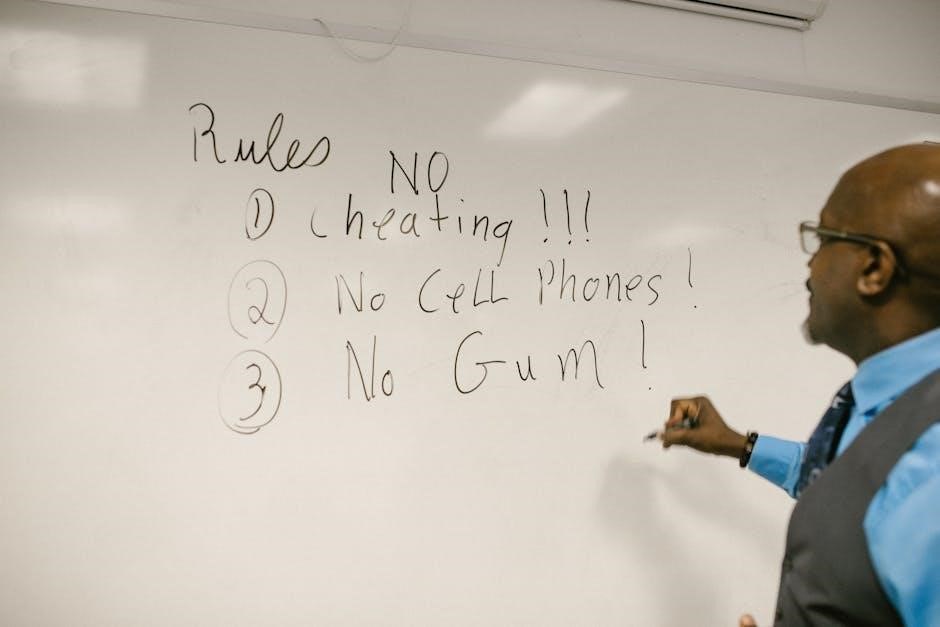
Professional In-Office Opalescence Whitening (Opalescence Pro)
Opalescence Pro, formerly Boost, offers a streamlined in-office procedure detailed in the PDF, delivering noticeable whitening results with expert application and control.
Procedure Overview
Opalescence Pro’s in-office whitening procedure, detailed within the comprehensive PDF instructions, begins with a thorough oral examination and shade assessment to establish baseline tooth color. A protective barrier is carefully applied to the gums, ensuring safety and preventing sensitivity. The Opalescence Pro whitening gel, a high-concentration hydrogen peroxide formula, is then meticulously applied to the teeth.
Typically, the gel is left on for 15-20 minute intervals, often utilizing a dental light to enhance the whitening process, though light activation isn’t always necessary. These intervals are repeated multiple times during a single appointment, usually lasting between 60-90 minutes, depending on the desired level of whitening and individual tooth sensitivity. Throughout the procedure, the dentist closely monitors the patient’s comfort and the progress of whitening, adjusting as needed.
Following the final gel application, the protective barrier is removed, and the teeth are thoroughly rinsed. The PDF provides visual guides and step-by-step instructions for dental professionals to ensure consistent and effective results.
Expected Results and Duration
Opalescence Pro whitening, as outlined in the detailed PDF instructions, typically delivers noticeable results within a single session, with many patients experiencing a shade improvement of 2-8 shades lighter. However, the extent of whitening varies based on individual tooth characteristics, initial stain levels, and the concentration of hydrogen peroxide used during the procedure. The PDF emphasizes that results are not permanent and will gradually diminish over time.
To maintain the achieved brightness, the PDF recommends incorporating at-home maintenance treatments, such as Opalescence Go or Custom whitening trays, as advised by the dentist. The duration of results can range from six months to two years, depending on lifestyle factors like diet (coffee, tea, red wine) and oral hygiene practices.
The PDF also notes that touch-up treatments may be necessary periodically to refresh the whitening effect and address new stains.
Post-Procedure Care Instructions
The Opalescence Pro PDF instructions detail crucial post-procedure care. For the first 24-48 hours, avoid consuming dark-colored beverages like coffee, tea, and red wine, as teeth are more susceptible to staining. Similarly, limit intake of highly pigmented foods, including berries and soy sauce. Maintaining excellent oral hygiene is paramount; brush gently twice daily with a fluoride toothpaste, and floss thoroughly.
The PDF advises using a desensitizing toothpaste if any sensitivity arises, which is common after whitening. Avoid extremely hot or cold foods and drinks initially. The PDF also recommends a fluoride treatment applied by your dentist to help remineralize teeth and reduce sensitivity.
Regular dental check-ups are essential to monitor whitening results and address any concerns. Following these guidelines, as outlined in the PDF, will help maximize the longevity of your brighter smile.

Safety Precautions and Considerations
Opalescence PDF guides emphasize avoiding gel swallowing and proper tray cleaning with a soft brush and cool water for optimal safety.
Store trays securely, and be aware of potential, temporary side effects like sensitivity, consulting a dentist if issues persist.
Avoiding Gel Swallowing
Opalescence whitening PDF instructions consistently and strongly advise against swallowing the whitening gel; it’s crucial for maintaining overall health and treatment efficacy.
The gel contains chemicals not intended for ingestion, and accidental swallowing can cause temporary stomach upset or irritation. During application, use only a small amount of gel within the trays, ensuring it primarily contacts tooth surfaces.
Excess gel should be carefully removed with a clean finger or a soft-bristled toothbrush after the prescribed wear time. Rinsing twice is recommended, but do not swallow the rinsed gel – spit it out completely.
Proper tray fit is also essential; well-fitting trays minimize gel leakage and reduce the risk of accidental ingestion. If you experience any unusual symptoms after whitening, consult your dentist immediately.
Prioritizing these precautions ensures a safe and effective Opalescence whitening experience.
Proper Tray Cleaning and Storage
Opalescence whitening PDF guides emphasize meticulous tray hygiene to prevent bacterial growth and maintain optimal whitening performance. After each use, thoroughly clean your custom trays with a soft-bristled brush and cool tap water.
Avoid using hot water or abrasive cleaning agents, as these can warp or damage the tray material. Ensure all traces of gel are removed from the tray’s surface, paying close attention to grooves and crevices.
Proper storage is equally important; always store the trays in the provided case to protect them from dust, debris, and potential damage. The case also helps maintain the tray’s shape and fit.
Regular cleaning and appropriate storage extend the lifespan of your trays and contribute to a more hygienic and effective whitening process. Discard and replace trays if they become damaged or discolored.
Following these guidelines ensures a safe and successful Opalescence whitening journey.
Potential Side Effects
Opalescence whitening PDF instructions detail potential, though typically temporary, side effects. The most common is tooth sensitivity, manifesting as a sharp, fleeting pain, especially to cold stimuli. This usually subsides after treatment completion.
Gum irritation can occur if gel contacts soft tissues; maintaining proper tray fit minimizes this risk. Some individuals may experience temporary soft tissue blanching, a harmless whitening of the gums.
Rarely, individuals report temporary tongue or lip irritation. Swallowing gel should be avoided; while not toxic in small amounts, it can cause temporary stomach upset.
If significant or persistent sensitivity, irritation, or other adverse reactions occur, discontinue use and consult your dentist immediately. Following recommended wear times and post-treatment care reduces the likelihood of these effects.
Always review the complete list of potential side effects in the Opalescence product information.