

Planning a 16×20 pergola project unlocks beautiful outdoor spaces, and readily available PDF plans simplify the process significantly! DIY kits from sources like Pergola Depot offer convenience, while free plans from MyOutdoorPlans provide detailed guidance.
Construct101 and other online resources present various 16×20 pergola plans, catering to different skill levels and design preferences, ensuring a successful build.
Exploring options like cantilevered designs, as showcased by Hansen, expands possibilities, and a 30-day guarantee from vendors offers risk-free purchasing.
What is a Pergola?
Pergolas are outdoor structures, typically featuring posts supporting a framework of beams and rafters, creating a shaded walkway or sitting area. They differ from pavilions and gazebos, offering partial shade rather than complete enclosure, and are often adorned with climbing plants.
A 16×20 pergola, specifically, defines the structure’s dimensions – sixteen feet in length and twenty feet in width – providing a substantial covered space for entertaining, dining, or relaxation. These structures enhance landscape aesthetics and increase property value.
PDF plans for 16×20 pergolas detail the construction process, outlining materials, measurements, and assembly instructions. Resources like MyOutdoorPlans and Construct101 offer downloadable plans, enabling DIY enthusiasts to build their own. The availability of free and paid plans caters to diverse budgets and skill levels, making pergola construction accessible to many.
Ultimately, a pergola serves as a versatile outdoor extension of your home, blending functionality with architectural appeal.
Benefits of a 16×20 Pergola
A 16×20 pergola offers numerous advantages, transforming outdoor spaces into inviting retreats. Its generous size provides ample room for comfortable seating, dining areas, and entertaining guests, enhancing social gatherings and family time.
The structure delivers partial shade, protecting from harsh sunlight while maintaining an open-air feel – a crucial benefit during warmer months. Integrating climbing plants further enhances shade and adds natural beauty.
Utilizing 16×20 pergola plans, often available as PDF downloads, allows for cost-effective DIY construction, potentially saving money compared to pre-built options. Resources like Pergola Depot and MyOutdoorPlans offer plans and kits.
Beyond functionality, a pergola significantly boosts property value and curb appeal, creating a visually stunning focal point in your landscape. The versatility of design, from traditional to modern, ensures it complements any architectural style.
Understanding Pergola Plans & PDFs
Pergola plans, frequently distributed as PDF documents, are essential for successful construction. These plans typically include detailed diagrams, materials lists – specifying lumber like 6×6, 2×12, and 2×8 – and step-by-step instructions, guiding builders through each phase.
Evaluating plan quality is crucial; comprehensive PDFs from reputable sources like Construct101 and MyOutdoorPlans offer clarity and accuracy. Look for dimensions, joint details, and foundation requirements.
Understanding terminology – rafters, purlins, beams, and posts – is vital. 16×20 pergola plans often present options like cantilevered roofs, requiring careful interpretation.
DIY kits, such as those from Pergola Depot, often include plans, but independent PDFs allow for customization. Always verify measurements and adapt plans to local building codes before commencing construction.
Planning Your 16×20 Pergola Project
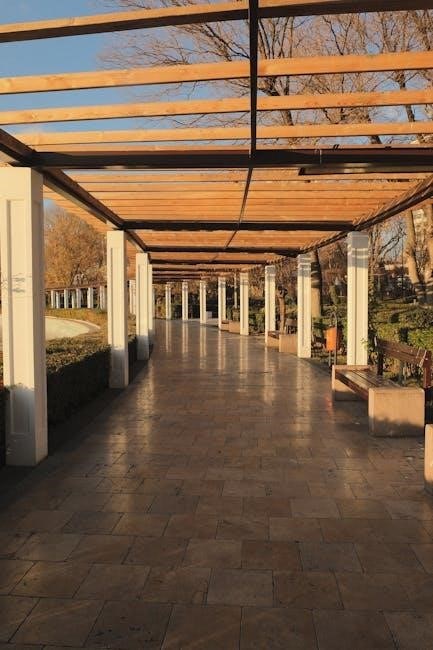
Successful pergola builds start with thorough planning, utilizing 16×20 pergola plans and PDF resources to visualize the structure and ensure a smooth process!
Local Building Codes and Permits
Before commencing your 16×20 pergola project, diligently investigate local building codes and permit requirements; this crucial step prevents costly setbacks and ensures compliance.
Regulations vary significantly by location, impacting aspects like post depth, beam size, and overall structure height, so contacting your local building department is essential.
Permits are often required for structures exceeding specific dimensions or those with electrical components, like lighting, necessitating detailed 16×20 pergola plans and site plans for submission.
PDF plans, especially those from reputable sources, often include details helpful for permit applications, such as material specifications and structural diagrams.
Ignoring these regulations can lead to fines, project delays, or even the need to dismantle non-compliant structures, emphasizing the importance of proactive research and adherence.
Always confirm setback requirements from property lines and any easements to avoid potential conflicts and ensure your pergola’s placement is legally permissible.
Site Preparation: Location and Leveling
Careful site preparation is paramount for a stable and aesthetically pleasing 16×20 pergola; selecting the right location and ensuring a level foundation are critical first steps.
Consider sunlight exposure, prevailing winds, and proximity to existing structures or landscaping when choosing your pergola’s location, optimizing shade and comfort.
Leveling the ground is essential, as even slight slopes can compromise structural integrity; use a level and appropriate tools to create a perfectly flat base.
Detailed 16×20 pergola plans, often available as PDF downloads, will specify foundation requirements, such as post hole depth and concrete footing dimensions.
Accurate measurements and precise leveling prevent racking or instability, ensuring the pergola remains secure for years to come, enhancing its longevity and safety.
Remove any vegetation, rocks, or debris from the construction area, providing a clean and stable surface for post installation and subsequent building phases.
Choosing the Right Materials (Wood Types)
Selecting appropriate wood is crucial for a durable and attractive 16×20 pergola; various options offer different strengths, aesthetics, and price points.
Pressure-treated lumber is a popular choice for posts and beams due to its resistance to rot, decay, and insect infestation, extending the pergola’s lifespan.
Cedar and redwood are naturally weather-resistant options, offering beautiful grain patterns and requiring less chemical treatment, though they are more expensive.
16×20 pergola plans, often found as PDF downloads, will specify recommended lumber sizes and grades for each component, ensuring structural integrity.
Consider the climate; in wetter regions, prioritize rot-resistant woods, while in drier climates, appearance might be the primary concern.
Combining wood types can create visual interest and optimize cost-effectiveness, using treated lumber for structural elements and cedar for decorative features.
Essential Tools for Pergola Construction
Successfully executing 16×20 pergola plans, often in PDF format, demands both power and hand tools for precision cutting, fastening, and leveling.
Safety equipment is paramount, ensuring a secure build throughout the entire project duration.
Power Tools Required
Constructing a 16×20 pergola, guided by PDF plans, necessitates several power tools for efficient and accurate work. A circular saw is crucial for cutting lumber to length, especially the 6×6 posts, 2×12 beams, and 2×8 rafters.
A miter saw ensures precise angled cuts for rafters and decorative elements, contributing to a professional finish. A powerful drill/driver, with various bits, is essential for pre-drilling holes and securely fastening components with screws.
For larger projects, a impact driver can significantly speed up the fastening process. A power sander smooths rough edges and prepares wood for staining or painting. Consider a reciprocating saw for demolition or adjustments during installation. Finally, a level (laser or traditional) is vital for ensuring a perfectly aligned and stable structure, as detailed in most pergola plans.
Hand Tools for Precision Work
While power tools expedite the 16×20 pergola build, referencing PDF plans reveals the importance of hand tools for precision. A measuring tape is fundamental for accurate lumber cuts and layout, ensuring adherence to plan dimensions.
A speed square aids in marking 90-degree angles for square cuts, vital for post and beam connections. A hand saw is useful for fine adjustments or cuts where power tools are impractical. A level, complementing power levels, verifies plumb posts and horizontal beams.
Wood chisels refine joints and create precise notches. A hammer secures connections and assists with minor adjustments. Clamps hold pieces firmly during glue-up or fastening. Finally, a pencil for marking and a combination square for versatile measurements complete the essential hand tool kit, ensuring a structurally sound and aesthetically pleasing pergola.
Safety Equipment Checklist
Prioritizing safety is paramount when executing 16×20 pergola plans, even with detailed PDF guides. Always wear safety glasses to protect against flying debris from cutting or fastening lumber. Work gloves provide grip and shield hands from splinters and abrasions.
Hearing protection, such as earplugs or earmuffs, is crucial when operating power tools for extended periods. A dust mask or respirator safeguards against inhaling sawdust, especially when sanding or cutting treated wood.
Sturdy work boots with steel toes offer foot protection. Consider a hard hat when working at heights. A well-stocked first-aid kit should be readily accessible. Finally, ensure proper ventilation when using stains, sealants, or paints, and always follow manufacturer’s safety instructions for all tools and materials.
Detailed Materials List for a 16×20 Pergola
Constructing a 16×20 pergola requires 6×6 posts, 2×12 beams, and 2×8 rafters – quantities detailed in PDF plans for accurate material ordering.
Post Materials (6×6 Lumber)
6×6 lumber forms the foundational support for a 16×20 pergola, requiring careful selection and quantity calculation based on your chosen PDF plans. Typically, four posts are needed for a basic rectangular structure, but more may be required for added support or complex designs.
Post length is crucial; consider the desired pergola height plus the depth needed for secure in-ground installation – often at least 2-3 feet, depending on local frost lines. Pressure-treated lumber is highly recommended to resist rot and insect damage, ensuring longevity.
When reviewing pergola plans, pay close attention to the specified post spacing; a common interval is 8 feet, but this can vary. Ensure the lumber is straight and free of significant knots or defects before purchase. Accurate post placement, guided by your PDF, is vital for overall structural integrity.
Beam Materials (2×12 Lumber)

2×12 lumber serves as the primary horizontal support beams in a 16×20 pergola, spanning the posts and providing the framework for the roof structure. Your chosen PDF pergola plans will dictate the exact length and quantity needed, typically requiring four beams to create a rectangular perimeter.
Like posts, pressure-treated lumber is essential for beams, safeguarding against weather damage and decay. Beam length should precisely match the distance between posts, ensuring a flush and secure connection. Consider the load-bearing capacity of the lumber; 2x12s offer substantial strength for most pergola designs.
Carefully review the plans for beam attachment details – methods include direct bolting, using post caps, or employing specialized connectors. Proper beam installation is critical for the pergola’s stability and ability to withstand wind and snow loads.
Rafter & Purling Materials (2×8 Lumber)
2×8 lumber forms the essential network of rafters and purlins, creating the pergola’s roof structure. PDF pergola plans will specify the number of rafters needed, typically spaced 16 or 24 inches apart, depending on the desired roof coverage and local snow load requirements. Purlins, running perpendicular to the rafters, add crucial support and distribute weight evenly.
Pressure-treated 2x8s are recommended for longevity, resisting rot and insect damage. Rafter length will depend on the pergola’s design – a simple flat roof requires shorter rafters than a more complex angled design. Accurate cutting and consistent spacing are vital for a visually appealing and structurally sound roof.
Refer to your plans for specific connection methods, such as using rafter ties or metal connectors, ensuring a secure and durable framework.
Step-by-Step Construction Guide
PDF pergola plans offer detailed instructions, starting with foundation and post installation, then beam attachment, and finally, the roof structure assembly for a DIY build.

Building the Foundation & Post Installation
Establishing a solid foundation is paramount for a durable 16×20 pergola, as detailed in most PDF pergola plans. Begin by accurately marking the post locations, ensuring precise measurements for a rectangular structure. Depending on local codes and soil conditions, you’ll choose between concrete footings or direct burial of 6×6 posts.
Digging holes to the required depth – typically at least 24-36 inches – is crucial for frost protection. Setting posts plumb and securely bracing them during concrete pouring prevents shifting. PDF plans often emphasize using post-to-footing connectors for added stability and code compliance.
Allow the concrete to fully cure before proceeding, usually several days, to guarantee a robust base. Accurate post placement directly impacts the pergola’s overall squareness and structural integrity, so meticulous attention to detail is essential during this initial phase.
Attaching Support Beams
Securely attaching the 2×12 support beams to the installed 6×6 posts is a critical step, as outlined in most 16×20 pergola plans PDF guides. This connection provides the primary load-bearing capacity for the entire structure. Common attachment methods include using heavy-duty galvanized brackets, through-bolting, or lag screws.
Ensure the beams are level and flush with the top of the posts, creating a consistent plane for the rafters. PDF plans will specify the appropriate fastener size and spacing to meet structural requirements and local building codes. Pre-drilling holes prevents wood splitting and facilitates easier installation.
Double-check all connections for tightness and stability before proceeding. Properly installed support beams form the backbone of the pergola, ensuring its long-term strength and resistance to weather elements.
Installing Rafters and Creating the Roof Structure
Following your 16×20 pergola plans PDF, install the 2×8 rafters perpendicular to the support beams, establishing the roof’s framework. Consistent spacing between rafters – typically 16 or 24 inches on center – is crucial for even weight distribution and structural integrity. Utilize rafter ties or hurricane ties to securely connect the rafters to the support beams, enhancing wind resistance.
Many PDF guides detail options for creating a simple flat roof or a slightly angled design for improved water runoff. Consider incorporating purlins (smaller horizontal beams) between the rafters for added support, especially for larger spans. Accurate measurements and precise cuts are essential for a visually appealing and structurally sound roof.
Ensure all connections are firmly fastened, creating a robust and weather-resistant overhead structure.

Design Variations & Styles
16×20 pergola plans PDF options range from attached to freestanding structures, with cantilevered roofs extending shaded areas; modern or traditional styles enhance outdoor living.
Attached vs. Freestanding Pergolas
Choosing between an attached or freestanding 16×20 pergola significantly impacts your project, and PDF plans often detail both options. Attached pergolas, like those featured on MyOutdoorPlans, integrate seamlessly with your home, utilizing existing structures for support, potentially reducing material costs.
However, they require careful consideration of your home’s architecture and attachment points. Freestanding pergolas, conversely, offer greater flexibility in placement, allowing you to define a specific outdoor space without relying on your house.
These require a robust foundation and independent support system, as highlighted in various DIY pergola plans. PDF resources will illustrate the structural differences, detailing post installation and foundation requirements for each style, ensuring stability and longevity. Consider your yard’s layout and desired functionality when selecting the appropriate design.
Cantilevered Roof Designs
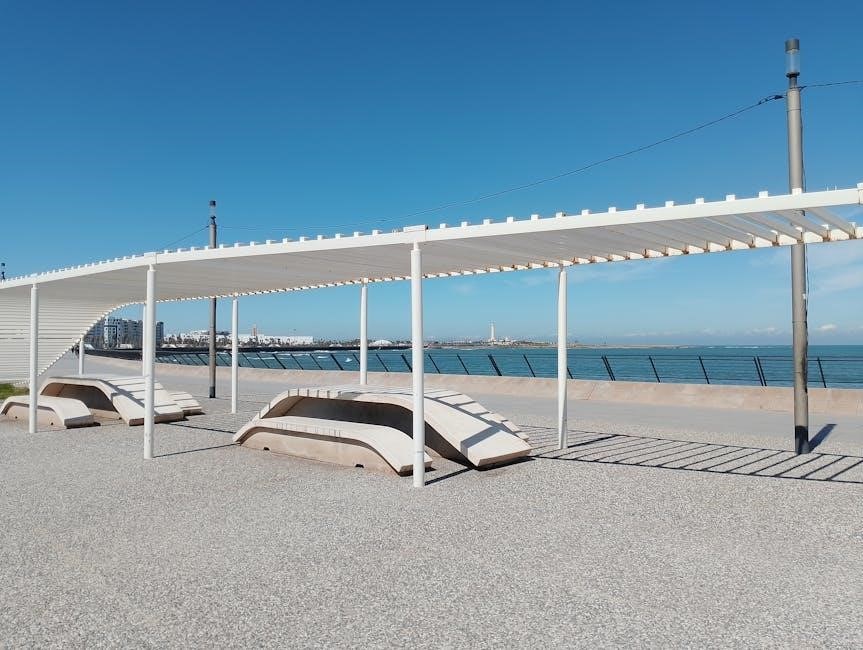
Cantilevered pergola roof designs, as demonstrated by Hansen’s 16×20 pergola, extend the shaded area beyond the supporting posts, creating a more expansive outdoor living space. PDF plans showcasing this style will emphasize the importance of robust beam construction and precise engineering to counteract the leverage.
These designs often feature a radius-style roof, adding a unique aesthetic appeal. Detailed DIY pergola plans will illustrate the necessary angles and support structures to ensure stability and prevent sagging.
Successfully implementing a cantilever requires careful material selection and adherence to the plan’s specifications. Free and paid PDF resources should provide clear diagrams and instructions for building the overhanging roof section, maximizing shade coverage and visual impact.
Modern vs. Traditional Pergola Styles
16×20 pergola plans PDF options span a wide spectrum of styles, from classic, traditional designs to sleek, modern interpretations. Traditional pergolas often feature ornate detailing, curved rafters, and a more decorative aesthetic, readily found in numerous free and paid plans.
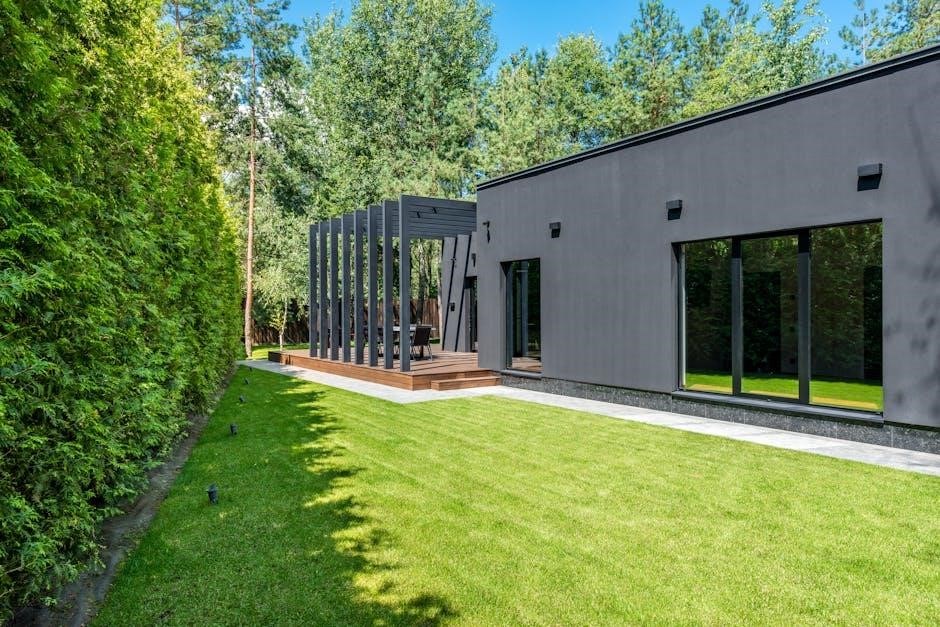
Modern designs, conversely, prioritize clean lines, minimalist aesthetics, and often incorporate bolder, geometric shapes. DIY plans for modern pergolas may utilize thicker lumber and simpler joinery techniques.
When selecting a PDF plan, consider your home’s architectural style and desired ambiance. Some plans offer hybrid approaches, blending traditional elements with contemporary touches. Carefully review the materials list and construction diagrams to ensure the chosen style aligns with your skill level and preferences.
Finding Free & Paid 16×20 Pergola Plans (PDFs)
Numerous online resources, like MyOutdoorPlans and Construct101, offer 16×20 pergola plans in PDF format, both free and for purchase, simplifying your DIY project!
Reputable Online Resources for Plans
Searching for reliable 16×20 pergola plans (PDF format) begins with exploring established online platforms. MyOutdoorPlans stands out, offering detailed, step-by-step guides and downloadable plans, including options for attached and freestanding structures. Their plans often include comprehensive materials lists and cutting diagrams, streamlining the building process.
Construct101 is another valuable resource, providing a selection of free PDF plans for various pergola designs. Pergola Depot, while primarily a kit provider, often features plan previews and resources to aid in project planning. Additionally, Pinterest serves as a visual discovery engine, linking to numerous DIY blogs and websites hosting 16×20 pergola plans.
Gumroad is a platform where creators sell digital products, and you can find detailed pergola plans there. Always verify the source’s credibility and read user reviews before committing to a plan, ensuring clarity and accuracy for a successful build.
Evaluating Plan Quality & Completeness
Assessing the quality of 16×20 pergola plans (PDFs) is crucial for a successful DIY project. Begin by verifying the presence of a detailed materials list, specifying lumber sizes, quantities, and hardware requirements. Comprehensive plans should include precise cutting diagrams, minimizing waste and ensuring accurate assembly.
Look for clear, step-by-step instructions with accompanying illustrations or diagrams. A good plan will address crucial aspects like post installation, beam attachment, and rafter spacing. Pay attention to whether the plan adheres to basic structural principles and local building codes.

Check for user reviews or feedback if available, offering insights into the plan’s clarity and accuracy. Incomplete plans lacking essential details can lead to costly errors and delays, so prioritize thoroughness and clarity when selecting your pergola blueprint.
DIY Pergola Kits vs. Building from Scratch
Choosing between a 16×20 DIY pergola kit and building from scratch using PDF plans depends on your skill level and preferences. Kits, like those from Pergola Depot, offer pre-cut lumber and hardware, simplifying assembly and reducing errors – ideal for beginners.
However, kits often limit customization options. Building from scratch with detailed PDF plans grants complete design freedom, allowing you to tailor the pergola to your exact needs and aesthetic. This approach requires more woodworking experience, accurate measurements, and time commitment.
Consider the cost difference; kits are generally more expensive upfront, but save on time and potential material waste. PDF plans are cheaper initially, but necessitate purchasing all materials individually. Evaluate your capabilities and desired level of control to make the best choice.
Finishing Touches & Enhancements
Enhance your 16×20 pergola with staining, painting, or sealing for protection! Add lighting, electrical features, and climbing plants for a personalized, inviting outdoor space.
Staining, Painting, or Sealing the Wood
Protecting your 16×20 pergola’s wood is crucial for longevity, and choosing between staining, painting, or sealing depends on desired aesthetics and weather resistance. Staining enhances the wood’s natural grain, offering a beautiful, transparent finish, while paint provides vibrant color and robust protection against the elements.
Sealing, often with a clear coat, offers minimal color change but effectively repels water and UV rays, preventing rot and warping. Proper surface preparation is key – thoroughly clean and sand the wood before application.
Consider using exterior-grade products specifically designed for wood structures. Multiple coats are generally recommended for optimal protection, and regular reapplication, every one to three years, will maintain the pergola’s beauty and structural integrity. Remember to check PDF plans for specific wood treatment recommendations.
Adding Lighting & Electrical Features
Enhancing your 16×20 pergola with lighting and electrical features transforms it into a captivating outdoor living space. Low-voltage LED lighting is a popular choice, offering energy efficiency and ease of installation. String lights, spotlights, and pathway lighting create ambiance and improve safety.
For more complex electrical work, such as outlets or ceiling fans, consult a qualified electrician to ensure compliance with local codes and safety standards. Carefully plan wiring routes within the pergola’s structure, protecting cables from weather exposure.
Review your PDF pergola plans for suitable locations for electrical boxes and conduit. Consider incorporating weatherproof outlets for convenient access to power. Remember to prioritize safety and adhere to all electrical regulations during installation, creating a beautifully illuminated and functional outdoor retreat.
Incorporating Climbing Plants & Décor
Transforming your 16×20 pergola into a lush, inviting haven is easily achieved with climbing plants and thoughtful décor. Vines like wisteria, clematis, or climbing roses add natural beauty and shade, softening the structure’s lines. Ensure your PDF pergola plans account for the weight of mature vines and provide adequate support.
Consider the plant’s growth habit and sun exposure requirements when selecting species. Décor elements such as outdoor curtains, comfortable seating, and decorative cushions enhance the ambiance. Hanging baskets and potted plants add pops of color and texture.
Pinterest offers abundant inspiration for 16×20 pergola décor ideas. Strategically placed furniture and accessories create a cozy and functional outdoor living space, perfectly complementing the pergola’s architectural design.