

Understanding Couple Therapy Near Guided Journey Counseling
Couple therapy offers a dedicated space for partners to navigate challenges, fostering deeper understanding and connection, especially with specialized guidance.
Guided Journey Counseling provides a supportive environment, utilizing evidence-based approaches to help couples build healthier, more fulfilling relationships.
Seeking help is a proactive step towards strengthening bonds and resolving conflicts, leading to improved communication and lasting intimacy.
What is Couple Therapy?
Couple therapy, also known as couples counseling, is a type of psychotherapy designed to help romantic partners explore and resolve conflicts, improve communication, and strengthen their emotional connection. It’s a collaborative process where a trained therapist provides a safe and neutral space for both individuals to express their feelings and concerns.
Unlike individual therapy, which focuses on one person’s internal experiences, couple therapy centers on the dynamics between partners. The goal isn’t to assign blame, but rather to identify patterns of interaction that contribute to distress and develop healthier ways of relating. Sessions often involve exploring past experiences, current challenges, and future goals as a unit.
Effective couple therapy can address a wide range of issues, from infidelity and financial stress to parenting disagreements and intimacy problems. It’s a valuable resource for couples at any stage of their relationship, whether they’re facing a specific crisis or simply seeking to enhance their bond.
The Role of Guided Journey Counseling
Guided Journey Counseling distinguishes itself by offering a holistic and personalized approach to couple therapy. Recognizing that relationships exist within the context of individual well-being, they integrate principles of holistic wellness into their treatment plans.
Their therapists are skilled in creating a warm and engaging environment, fostering trust and open communication. Guided Journey Counseling doesn’t offer a one-size-fits-all solution; instead, they tailor therapy to the unique needs and goals of each couple.
A key focus is on individual growth within the relationship, acknowledging that personal development contributes to a stronger partnership. They aim to empower couples with practical skills for improved communication, conflict resolution, and a deeper emotional connection, supporting lasting positive change.

Finding the Right Therapist
Selecting a therapist is crucial for successful couple therapy; consider credentials, experience, and specialization to ensure a good fit for your needs.
Prioritize finding a professional whose approach aligns with your relationship goals and values for optimal therapeutic outcomes.
Researching options carefully will lead to a more productive and beneficial counseling experience.
Importance of Credentials and Experience
When seeking couple therapy, verifying a therapist’s credentials is paramount. Look for licensed marriage and family therapists (LMFTs), licensed clinical social workers (LCSWs), or licensed psychologists with specific training in couples counseling.
Experience matters significantly; a therapist with a proven track record of successfully helping couples navigate similar challenges can offer valuable insights and effective strategies.
Consider their educational background, continuing education, and any specialized certifications they hold. These demonstrate a commitment to professional development and staying current with best practices.
Don’t hesitate to ask about their experience with the specific issues your relationship is facing. A therapist’s expertise in areas like communication, conflict resolution, or infidelity can greatly impact the therapy’s effectiveness.
Ultimately, choosing a qualified and experienced therapist increases the likelihood of a positive and transformative therapeutic experience.
Specializations: Emotionally Focused Therapy (EFT)
Emotionally Focused Therapy (EFT) is a powerful approach to couple therapy, centering on the emotional bonds between partners. It views distress as stemming from insecure attachment patterns developed over a lifetime.
EFT aims to reshape these patterns by helping couples understand and express their underlying emotional needs and vulnerabilities. The therapist guides partners to become more attuned to each other’s emotions.
This therapy focuses on creating a secure emotional connection, fostering empathy, and rebuilding trust. It’s particularly effective for couples struggling with emotional distance or recurring conflicts.
Guided Journey Counseling may utilize EFT to help couples identify negative interaction cycles and replace them with more positive, supportive patterns.
Through EFT, couples learn to turn towards each other for comfort and support, strengthening their emotional intimacy and overall relationship satisfaction.
Specializations: Gottman Method
The Gottman Method, developed by Drs. John and Julie Gottman, is a research-based approach to couple therapy. It’s grounded in decades of studying what makes relationships succeed or fail.
This method focuses on building “Sound Relationship Houses” with nine components: love maps, nurturing fondness and admiration, turning towards each other, letting your partner influence you, solving solvable problems, managing conflict, and creating shared meaning.
Guided Journey Counseling might employ the Gottman Method to assess a couple’s strengths and weaknesses, providing tailored interventions to improve their interaction patterns.
Therapists utilizing this approach teach practical skills for effective communication, conflict resolution, and emotional connection.
The Gottman Method aims to increase understanding, empathy, and intimacy, ultimately strengthening the foundation of the relationship and fostering lasting happiness.
Specializations: Cognitive Behavioral Therapy (CBT) for Couples
Cognitive Behavioral Therapy (CBT) for couples centers on the idea that thoughts, feelings, and behaviors are interconnected and influence relationship dynamics. It helps partners identify and modify negative patterns.
Guided Journey Counseling, when utilizing CBT, assists couples in recognizing unhelpful thought patterns that contribute to conflict and distress. This involves challenging distorted beliefs and developing more realistic perspectives.
CBT techniques focus on improving communication skills, problem-solving abilities, and emotional regulation. Couples learn to express their needs assertively and listen empathetically.
The goal is to break cycles of negativity, reduce reactivity, and foster a more positive and supportive interaction style.
Through practical exercises and homework assignments, couples actively work towards building a healthier and more satisfying relationship based on mutual respect and understanding.

Cost of Couple Therapy
Couple therapy expenses typically range from $100 to $300 per session, with 90-minute sessions costing $150 to $350, requiring commitment.
Costs vary based on location and therapist expertise, potentially reaching $250-$300/hour in high-cost areas, with averages around $150.
Insurance coverage is often limited unless a partner has a qualifying mental health diagnosis, making financial planning essential.
Average Session Costs (Nationwide)
Nationally, the average cost for a single couple therapy session generally falls within the $100 to $250 range, though this is a broad estimate. Many therapists, particularly those offering more in-depth work, lean towards the higher end of that spectrum. It’s common to encounter rates around $150 per 50-minute session as a baseline.
Extended sessions, often 75 or 90 minutes in length, are frequently utilized in couples work to allow for more comprehensive discussion and practice. These longer sessions typically increase the cost, ranging from $150 to $350 depending on the therapist’s qualifications and location.
Factors influencing price include the therapist’s experience, credentials, and the specific therapeutic approach employed. Newer therapists or those in training may offer lower rates, while highly specialized practitioners often command higher fees.
Cost Variations Based on Location
Geographic location significantly impacts the cost of couple therapy, mirroring the broader economic landscape. Major metropolitan areas and regions with a higher cost of living, such as New York City or California, typically see session fees ranging from $200 to $300 or even higher.
Conversely, areas with lower living expenses, like the Midwest or smaller towns, often have more affordable rates, potentially falling between $100 and $175 per session. This difference reflects the overhead costs for therapists, including rent and other business expenses.
Even within a state, costs can vary between cities and rural areas. Access to specialized therapists may also be limited in certain locations, potentially driving up prices due to increased demand.
Long-Term Financial Commitment (Typical Session Length)
Couple therapy isn’t usually a quick fix; meaningful change requires a sustained commitment, impacting the overall financial investment. Most couples benefit from attending weekly sessions for at least three months, equating to approximately 12 sessions, and often extending much longer.
Session lengths commonly range from 50 to 60 minutes, with some therapists offering extended 90-minute sessions for a higher fee – typically $150 to $350. The extended sessions allow for deeper exploration of issues.
Budgeting for ongoing therapy is crucial. Consider the cumulative cost over several months, factoring in potential increases or adjustments as the therapeutic process evolves.
Insurance Coverage for Couple Therapy
Navigating insurance coverage for couple therapy can be complex. Generally, insurance companies often do not cover sessions billed solely as “couple therapy.” Coverage is more likely if one partner has a diagnosed mental health condition, such as depression or anxiety, and therapy is framed as individual treatment with relational components.
It’s essential to verify your specific plan’s benefits by contacting your insurance provider directly. Ask about coverage for individual therapy addressing relationship issues, and whether a referral is required.
Many therapists offer sliding scale fees or accept out-of-network benefits, potentially reducing your out-of-pocket expenses; Don’t hesitate to inquire about these options when exploring therapy choices.

What to Expect in Couple Therapy
Initial sessions focus on assessment, establishing goals, and building rapport, creating a safe space for open communication and collaborative healing.
Therapy addresses common issues like communication breakdowns, conflict patterns, and emotional distance, fostering understanding and positive change;
Expect learning practical skills for healthier interactions, leading to stronger connections and a more fulfilling relationship dynamic.
Initial Assessment and Goal Setting
The first few sessions in couple therapy, particularly at Guided Journey Counseling, are dedicated to a comprehensive assessment of the relationship dynamics. This involves each partner sharing their perspective on the challenges, history, and strengths of the connection.
The therapist will explore individual backgrounds, communication patterns, and emotional experiences to gain a holistic understanding. This isn’t about assigning blame, but rather about identifying the core issues impacting the relationship.
Collaboratively, you and the therapist will then define specific, measurable, achievable, relevant, and time-bound (SMART) goals for therapy. These goals serve as a roadmap for the therapeutic process, ensuring focused and productive sessions.
Establishing clear goals provides direction and allows for tracking progress throughout the journey towards a healthier, more fulfilling partnership.
Common Issues Addressed in Therapy
Guided Journey Counseling frequently assists couples navigating a wide range of challenges. Communication breakdowns are a prevalent issue, often manifesting as frequent arguments, stonewalling, or difficulty expressing needs effectively.
Emotional distance and a decline in intimacy are also common concerns, leading to feelings of loneliness and disconnection. Infidelity, whether emotional or physical, often necessitates therapeutic intervention to rebuild trust and address underlying issues.
Financial stress, parenting disagreements, and differing life goals can also significantly strain a relationship. Therapy provides a safe space to explore these complexities and develop strategies for navigating them constructively.
Ultimately, couples seek therapy to improve their connection, resolve conflicts, and create a more fulfilling partnership.
Communication Skills Training
Guided Journey Counseling places significant emphasis on enhancing communication between partners. Active listening is a core skill taught, encouraging individuals to fully understand their partner’s perspective without interruption or judgment.
“I” statements are introduced as a method for expressing needs and feelings directly and non-blamingly, fostering a safer conversational environment. Non-verbal communication, including body language and tone of voice, is also explored.
Therapists help couples identify and break negative communication patterns, such as criticism, defensiveness, and stonewalling. Regular practice of these skills, both during and outside of sessions, is crucial for lasting change.
Improved communication forms the foundation for resolving conflicts and strengthening emotional intimacy.
Conflict Resolution Techniques
Guided Journey Counseling equips couples with practical techniques to navigate disagreements constructively. Identifying underlying needs, rather than focusing solely on surface-level arguments, is a key component.
Compromise and negotiation are explored as essential skills, moving away from win-lose dynamics towards mutually satisfying solutions. Fair fighting rules are established to ensure respectful interactions during heated moments.
Therapists facilitate discussions, helping couples understand each other’s triggers and develop strategies for de-escalation. Empathy building exercises encourage partners to see the conflict from their spouse’s viewpoint.
Learning to repair after a conflict, through apologies and forgiveness, is also emphasized, strengthening the relationship’s resilience.

Benefits of Couple Therapy
Couple therapy near Guided Journey Counseling cultivates improved communication, deeper emotional bonds, and effective conflict management skills for lasting relationship satisfaction.
Improved Communication
Effective communication is often the cornerstone of a healthy and thriving relationship, and couple therapy near Guided Journey Counseling directly addresses this vital skill. Many couples enter therapy struggling to express their needs and feelings constructively, leading to misunderstandings and escalating conflicts.
Therapy provides a safe and neutral space to learn active listening techniques, where partners truly hear and validate each other’s perspectives. Guided Journey Counseling helps identify negative communication patterns – like criticism, defensiveness, stonewalling, and contempt – and replace them with more positive and productive interactions.
Through guided exercises and role-playing, couples learn to articulate their emotions clearly, ask for what they need, and respond with empathy and understanding. This fosters a more open and honest dialogue, strengthening the emotional connection and reducing feelings of isolation.
Increased Emotional Intimacy
Emotional intimacy, the feeling of closeness, connection, and vulnerability, often diminishes over time in long-term relationships. Couple therapy near Guided Journey Counseling actively works to rebuild and strengthen this crucial aspect of partnership. Therapy sessions provide a secure environment to explore deeper emotions, fears, and desires that may have been suppressed or avoided.
Guided Journey Counseling facilitates exercises designed to enhance emotional awareness and expression, helping partners understand each other on a more profound level. This process encourages vulnerability, allowing individuals to share their authentic selves without fear of judgment.
By fostering empathy and understanding, therapy helps couples reconnect emotionally, reigniting passion, trust, and a sense of shared vulnerability. Increased intimacy leads to greater satisfaction, resilience, and a stronger bond overall.
Enhanced Conflict Management
Conflict is inevitable in any relationship, but how couples manage disagreements significantly impacts their overall health. Couple therapy near Guided Journey Counseling equips partners with practical skills to navigate conflict constructively, moving away from destructive patterns like blaming or stonewalling.
Guided Journey Counseling emphasizes identifying underlying needs and triggers that fuel arguments, fostering a deeper understanding of each other’s perspectives. Therapists teach techniques like active listening, empathetic responding, and assertive communication.
These skills empower couples to express their feelings respectfully, negotiate compromises, and find mutually acceptable solutions. Enhanced conflict management doesn’t eliminate disagreements, but transforms them into opportunities for growth and deeper connection, strengthening the relationship’s foundation.
Strengthened Relationship Satisfaction
Couple therapy, particularly through Guided Journey Counseling, aims to revitalize connection and foster a more fulfilling partnership. Improved communication and conflict resolution skills directly contribute to increased relationship satisfaction, allowing couples to experience greater joy and contentment together.
Therapy helps partners rediscover shared values, reignite intimacy, and build a stronger emotional bond. Addressing underlying issues, such as unresolved trauma or differing expectations, creates space for genuine connection to flourish.
Ultimately, Guided Journey Counseling empowers couples to create a relationship that feels supportive, loving, and mutually rewarding. Strengthened relationship satisfaction isn’t simply the absence of conflict, but the presence of deep connection and shared happiness.

Guided Journey Counseling Approach
Guided Journey Counseling integrates holistic wellness, offering personalized treatment plans focused on individual growth within the relationship for lasting change.
Their style is warm and engaging, honoring the inherent human need for connection and facilitating relational healing for couples seeking support.
Integrating Holistic Wellness
Guided Journey Counseling recognizes that relationship dynamics are deeply intertwined with individual well-being. This approach extends beyond simply addressing communication patterns or conflict resolution, delving into the emotional, mental, and even physical health of each partner.
Holistic wellness considers how factors like stress, past trauma, and personal values influence the relationship. Therapists may explore mindfulness techniques, self-care practices, and lifestyle adjustments to support individual growth, which in turn positively impacts the couple’s connection.
This integrated perspective acknowledges that healing isn’t solely about fixing the relationship, but about fostering the individual capacity for healthy relating. By addressing the whole person, Guided Journey Counseling aims to create sustainable, long-term improvements in both individual and relational well-being.
Personalized Treatment Plans
Guided Journey Counseling firmly believes that every couple is unique, with distinct histories, challenges, and goals. Therefore, a one-size-fits-all approach to therapy is avoided. Instead, therapists prioritize developing personalized treatment plans tailored to the specific needs of each partnership.
The initial assessment plays a crucial role in gathering information about the couple’s dynamic, individual experiences, and desired outcomes. This collaborative process ensures that therapy is focused on the most relevant issues and utilizes techniques best suited to their situation.
Treatment plans are not static; they are regularly reviewed and adjusted as the couple progresses, ensuring continued relevance and effectiveness. This flexible approach maximizes the potential for positive change and lasting results.
Focus on Individual Growth within the Relationship
Guided Journey Counseling recognizes that a thriving relationship is built upon the individual well-being of each partner. Therapy isn’t solely about fixing the relationship; it’s about fostering personal growth that positively impacts the dynamic.
Individual exploration within the therapeutic setting allows partners to understand their own patterns, beliefs, and emotional needs. This self-awareness is crucial for taking responsibility for one’s contributions to the relationship and making conscious choices.
By supporting individual growth, the therapy empowers each person to bring their best self to the partnership, leading to increased authenticity, vulnerability, and a stronger, more fulfilling connection. It’s a holistic approach to relational healing.
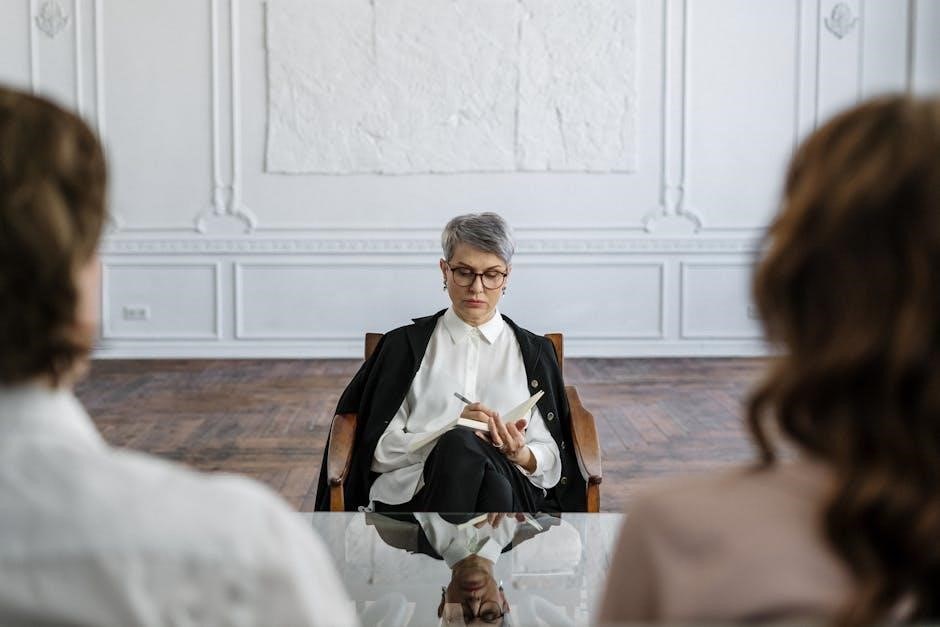
Locating Couple Therapy Near You
Finding a therapist involves utilizing online directories, seeking referrals, and exploring therapist websites to ensure a good fit for your needs.
Guided Journey Counseling offers convenient access to skilled professionals, providing support and guidance for couples seeking positive change.
Prioritize research to locate a qualified therapist who aligns with your relationship goals and preferences for a successful therapeutic journey.
Online Directories and Search Tools
Navigating the landscape of couple therapy often begins with leveraging online directories and search tools. Platforms like Psychology Today, GoodTherapy, and TherapyDen offer extensive databases allowing you to filter therapists based on specialization, insurance accepted, and location – crucial when seeking couple therapy near Guided Journey Counseling.
These resources typically include detailed therapist profiles outlining their experience, therapeutic approach (such as EFT, Gottman, or CBT), and fees. Utilizing these search filters streamlines the process, presenting options aligned with your specific needs and preferences.
Furthermore, many directories allow you to search for therapists offering telehealth services, expanding your access to qualified professionals beyond geographical limitations. Remember to carefully review profiles and consider scheduling brief consultations to assess compatibility before committing to therapy.
Referrals from Friends and Family
Seeking recommendations from trusted friends and family can be a valuable step in finding couple therapy near Guided Journey Counseling. Personal referrals often come with firsthand insights into a therapist’s style, effectiveness, and overall client experience.
However, it’s important to remember that what works well for one couple may not be the best fit for another. When considering a referral, inquire about the specific issues the referring couple addressed and whether the therapist’s approach aligns with your own needs and preferences.
Don’t hesitate to ask detailed questions about their experience, ensuring the therapist possesses the necessary expertise and qualifications. While referrals offer a starting point, thorough research and a consultation are still essential.

Checking Therapist Websites and Profiles
Exploring therapist websites and online profiles is a crucial step when seeking couple therapy near Guided Journey Counseling. These platforms typically offer detailed information about the therapist’s credentials, experience, specializations, and therapeutic approach.
Pay close attention to their stated areas of expertise, ensuring they have experience addressing the specific challenges your relationship faces. Look for details regarding their training in modalities like Emotionally Focused Therapy (EFT) or the Gottman Method.
Many therapists also include introductory videos or blog posts, providing a glimpse into their personality and counseling style. Carefully review this information to assess whether their approach resonates with you and your partner.