

Manual Drilling: A Comprehensive Overview
Manual drilling, evidenced in 2025 through rescue efforts and oil prospecting in Myanmar, utilizes human power and basic tools for subsurface exploration and extraction.
YouTube serves as a vital platform for documenting these techniques, showcasing both emergency responses and independent labor practices, alongside insights into material science.
Composite materials are increasingly relevant, while official YouTube blogs offer updates on platform features and creator insights, reflecting the evolving landscape of information access.

Historical Context of Manual Drilling
Manual drilling predates mechanized methods by millennia, originating with early humans utilizing sharpened sticks and stones to create fire-starting devices and rudimentary boreholes. Archaeological evidence suggests early forms of auger-like tools were employed for construction and resource acquisition in ancient civilizations.
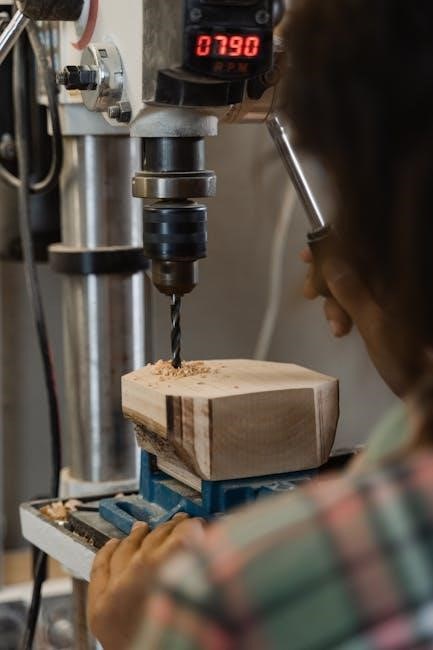
Throughout history, the need for water, minerals, and later, oil, drove innovation in manual drilling techniques. Before the advent of steam power and internal combustion engines, laborious hand-powered methods were the only option. These early techniques, often involving simple twisting motions and percussion, were crucial for survival and development.
The 2025 rescue operations in Uttarakhand, India, and oil prospecting in Myanmar, demonstrate a continuation of this ancient practice, albeit in specific, challenging contexts. YouTube documentation of these modern instances highlights the enduring relevance of manual drilling when faced with logistical constraints or emergency situations, echoing its historical importance.
Early Manual Drilling Techniques
Early manual drilling primarily relied on techniques like the “rat-hole” method, still observed in 2025 during rescue operations in Uttarakhand, India. This involved creating narrow, hand-dug shafts, often reinforced with makeshift supports, to access subsurface areas.
Another common approach utilized simple augers – helical screw-shaped tools – rotated by hand to bore into softer ground. Percussion drilling, employing a pointed tool repeatedly struck with a hammer, was used for harder materials. These methods were incredibly labor-intensive and slow, but essential for resource extraction.
In Myanmar, contemporary independent laborers continue to employ grueling manual techniques for oil prospecting, mirroring historical practices. YouTube footage showcases these methods, emphasizing the physical demands and ingenuity involved. These early techniques laid the foundation for later, mechanized advancements, demonstrating human adaptability and resourcefulness.
Manual Drilling for Oil and Gas
Manual drilling for oil and gas, while largely superseded by mechanized methods, persists in specific contexts, notably in Myanmar as of late 2025. Independent laborers engage in arduous hand-drilling to prospect for oil, utilizing techniques passed down through generations.
This practice often involves creating shallow wells using augers and basic percussion tools, a far cry from the sophisticated rigs employed by large energy companies. The process is incredibly inefficient and yields limited results, but represents a vital livelihood for many.
YouTube documentation reveals the challenging conditions and physical strain involved. While not commercially viable on a large scale, manual oil prospecting demonstrates localized resourcefulness and a direct connection to the earth, offering a glimpse into pre-industrial extraction methods.
Manual Drilling in Mining Operations
Manual drilling in mining, particularly exemplified by “rat-hole mining” techniques, gained prominence in late 2025 during rescue operations in Uttarakhand, India. This method involves creating narrow, hand-dug tunnels to access trapped miners, demonstrating its utility in emergency scenarios.
However, rat-hole mining also presents significant challenges. The process is inherently dangerous due to unstable ground conditions and a lack of structural support. It’s labor-intensive, slow, and often unregulated, raising concerns about worker safety and environmental impact.
YouTube footage from the Uttarkashi tunnel rescue showcased the painstaking manual drilling through rubble. While not a primary mining technique in modern operations, it remains relevant for specific, often desperate, situations requiring rapid access or localized excavation.
Rat-Hole Mining Techniques
Rat-hole mining, a rudimentary form of manual drilling, involves excavating narrow, often horizontal shafts – resembling rat holes – into the earth. This technique, highlighted in late 2025 during the Uttarkashi tunnel rescue, relies heavily on manual labor and minimal equipment.
Workers typically use hand tools like pickaxes, shovels, and sometimes basic augers to create these shafts. The process is characterized by its small scale and lack of sophisticated support structures, making it particularly hazardous.
YouTube visuals from the rescue operation demonstrated the confined spaces and challenging conditions inherent in rat-hole mining. While primarily used for accessing narrow seams or in emergency situations, it represents a historical and, unfortunately, still-practiced method of resource extraction.
Challenges in Manual Mining
Manual mining, as exemplified by rat-hole mining and independent oil prospecting in Myanmar, presents significant challenges. The absence of robust safety measures and engineered support systems creates inherently dangerous working conditions, as seen in the 2025 Uttarkashi tunnel incident.
YouTube documentation of these practices reveals the physical strain on workers, the risk of collapse, and limited access for emergency response. The narrow confines of rat-holes restrict ventilation, leading to potential air quality issues and gas buildup.
Furthermore, the low efficiency of manual techniques hinders large-scale extraction, and the reliance on localized knowledge can limit exploration potential. Overcoming these hurdles requires improved safety protocols and, where feasible, transitioning to more mechanized methods.
Manual Drilling for Water Wells
Manual drilling offers a viable solution for accessing groundwater in areas lacking infrastructure or resources for mechanized equipment. This technique is particularly relevant in remote regions and developing countries where affordability and simplicity are paramount.
Employing augers and hand-powered rigs, communities can independently construct water wells, improving access to clean water for drinking and irrigation. YouTube serves as a valuable resource, showcasing various manual drilling methods and providing instructional guides for well construction.
However, depth limitations and the physical demands on workers present challenges. Successful implementation requires careful geological assessment, appropriate tool selection, and adherence to safety protocols to ensure sustainable water access.
Tools and Equipment Used in Manual Drilling
Manual drilling relies on a range of tools, from basic hand-operated implements to more sophisticated, yet still human-powered, rigs. Augers and drill bits are fundamental, varying in design based on soil type and desired well depth. These tools physically remove material to create the borehole.
Hand-powered drilling rigs, often employing a rotating mechanism driven by levers or cranks, offer increased efficiency and depth capability. These rigs frequently incorporate components like tripods, winches, and casing pipes to stabilize the borehole and prevent collapse.
YouTube documentation showcases the construction and operation of these tools, highlighting adaptations for specific geological conditions. The selection of appropriate equipment is crucial for maximizing efficiency and ensuring worker safety during the drilling process.
Augers and Drill Bits
Augers, a cornerstone of manual drilling, are helical screw-shaped tools designed to bore into the earth, lifting excavated material as they rotate. Their effectiveness varies significantly with soil composition; they excel in softer ground but struggle with dense clay or rocky terrain.
Drill bits, conversely, come in diverse designs – from simple spoon bits for loose soil to more robust fishtail or cross-bit configurations for harder strata. The choice depends on the geological profile and desired drilling speed.
YouTube provides visual demonstrations of auger and bit selection, showcasing how experienced drillers adapt their tools based on encountered resistance. Proper maintenance, including sharpening, is vital for optimal performance and preventing tool failure during prolonged use in manual drilling operations.
Hand-Powered Drilling Rigs
Hand-powered drilling rigs represent a significant advancement over simple augers, amplifying force and enabling deeper penetration. These rigs typically employ a rotating handle or lever system, converting human energy into rotational force applied to the drill string.
Designs range from basic A-frame structures to more complex geared mechanisms, each offering varying levels of efficiency and depth capacity. Manual drilling in Myanmar, as documented on platforms like YouTube, frequently showcases these rigs, highlighting their role in independent oil prospecting.
The effectiveness of these rigs hinges on operator strength and endurance, alongside proper lubrication and maintenance. While less efficient than mechanized options, they remain crucial in remote areas or emergency scenarios where power sources are unavailable.
Geological Considerations for Manual Drilling
Geological factors profoundly influence the feasibility and success of manual drilling operations. Soil composition, rock hardness, and groundwater levels dictate the appropriate techniques and equipment. Soft, unconsolidated sediments are easier to penetrate with augers, while harder rock formations necessitate more robust tools and increased physical effort.
Understanding subsurface stratigraphy is crucial to avoid encountering unexpected obstacles or unstable formations. The recent rescue operation in Uttarakhand, India, highlighted the challenges of drilling through rubble and fractured rock, as documented on YouTube.
Furthermore, the presence of water can complicate drilling, requiring techniques to manage water inflow and prevent borehole collapse. Careful geological assessment minimizes risks and optimizes drilling efficiency, even with limited resources.
Safety Precautions in Manual Drilling
Manual drilling, while often necessary in remote or emergency situations, presents significant safety challenges. Risk assessment is paramount, identifying potential hazards like borehole collapse, tool failure, and musculoskeletal injuries. Proper training and adherence to safety protocols are essential for all personnel involved.
Personal Protective Equipment (PPE), including helmets, safety glasses, gloves, and sturdy footwear, is non-negotiable. The Uttarakhand tunnel rescue, frequently visualized on YouTube, underscores the dangers of unstable ground conditions.
Regular equipment inspections and maintenance minimize the risk of mechanical failures. Implementing a buddy system and establishing clear communication protocols further enhance safety. Thorough site evaluation and awareness of geological factors are crucial for preventing accidents during manual drilling operations.
Personal Protective Equipment (PPE)
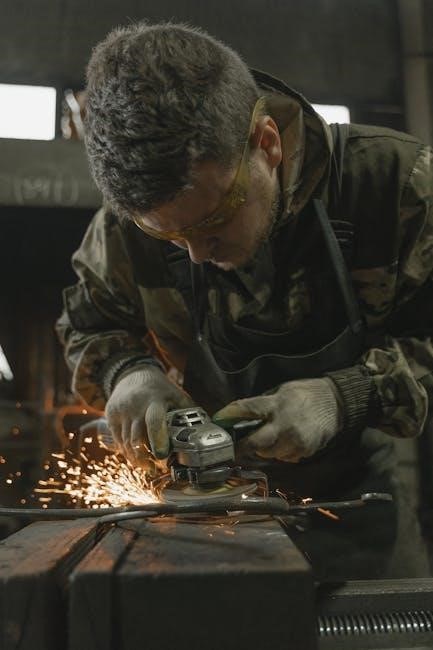
Personal Protective Equipment (PPE) is absolutely critical during manual drilling operations, mitigating risks inherent in physically demanding and potentially hazardous environments. Essential items include a hard hat to protect against falling debris, and safety glasses or goggles to shield eyes from dust and flying particles.
Durable work gloves are vital for hand protection, preventing blisters, cuts, and abrasions from handling tools and rough materials. Sturdy, closed-toe footwear with good ankle support is necessary for navigating uneven terrain and preventing foot injuries.
Depending on the environment, respiratory protection, such as a dust mask or respirator, may be required. YouTube documentation of rescue efforts, like the Uttarakhand tunnel incident, visually demonstrates the importance of consistent PPE usage for worker safety.
Risk Assessment and Mitigation
Risk assessment is paramount before commencing any manual drilling project. Potential hazards include musculoskeletal injuries from repetitive motions, collapse of excavated material, and exposure to hazardous substances. A thorough assessment identifies these risks and informs mitigation strategies.
Mitigation involves implementing safe work practices, such as proper lifting techniques and regular breaks to prevent fatigue. Ensuring stable excavation walls through shoring or sloping is crucial to prevent collapses, as highlighted in reports of the Uttarakhand tunnel rescue.
Regular equipment inspections and maintenance minimize tool failures. YouTube videos documenting manual drilling in Myanmar showcase the inherent risks of independent, often unregulated, operations, emphasizing the need for proactive safety measures and training. Continuous monitoring of conditions and adapting strategies are essential.
Manual Drilling vs. Mechanical Drilling
Manual drilling contrasts sharply with mechanical drilling in terms of speed, depth, and cost. Mechanical methods, utilizing powered rigs, achieve significantly faster penetration rates and can reach far greater depths, essential for large-scale oil and gas operations.
However, manual drilling offers advantages in accessibility and cost-effectiveness, particularly in remote areas or emergency situations like the Uttarakhand tunnel rescue, where heavy machinery is impractical. It requires minimal infrastructure and relies on human labor, making it suitable for small-scale projects.
While mechanical drilling prioritizes efficiency, manual methods emphasize adaptability and resourcefulness. YouTube documentation of oil prospecting in Myanmar demonstrates the continued relevance of manual techniques where economic constraints limit access to advanced technology. Each approach serves distinct needs.
Applications of Manual Drilling Today
Manual drilling retains crucial applications in the 21st century, despite the prevalence of mechanized techniques. A prominent example is emergency rescue operations, as seen in the 2025 Uttarakhand tunnel incident, where manual methods proved vital for navigating collapsed structures.
Remote area exploration also benefits from manual drilling’s portability and low resource demands. In regions like Myanmar, independent laborers continue to prospect for oil using these techniques, showcasing its economic viability in areas lacking infrastructure.
Furthermore, manual methods are utilized for localized groundwater exploration and environmental sampling. YouTube serves as a platform documenting these diverse applications, highlighting the enduring relevance of this traditional skill set alongside modern advancements.
Emergency Rescue Operations
Manual drilling plays a critical, often irreplaceable, role in emergency rescue operations, particularly in scenarios involving collapsed tunnels or unstable terrain. The 2025 Uttarakhand tunnel rescue exemplifies this, where specialized “rat-hole” mining techniques – a form of manual drilling – were deployed to reach trapped workers.
These methods allow rescuers to navigate rubble and obstructions inaccessible to larger machinery. The precision and adaptability of manual techniques are invaluable when dealing with delicate or confined spaces. YouTube footage from the Uttarakhand rescue showcased the painstaking process, highlighting the skill and dedication of the rescue teams.
While slower than mechanical methods, manual drilling offers a targeted approach, minimizing further instability and maximizing the chances of a successful rescue. It remains a vital component of disaster response protocols globally.
Remote Area Exploration
Manual drilling proves essential in remote area exploration, particularly where logistical challenges preclude the use of heavy machinery. As demonstrated in Myanmar, independent laborers utilize grueling manual techniques to prospect for oil in areas lacking infrastructure. This highlights the accessibility and self-sufficiency offered by these methods.
The lightweight nature of manual drilling equipment allows for transport to isolated locations, enabling geological surveys and resource assessment in previously unreachable areas. YouTube documentation showcases these independent operations, revealing a resourceful approach to resource discovery.
While yields may be smaller, manual exploration provides crucial preliminary data, informing future, larger-scale projects. It empowers local communities and facilitates initial resource identification in challenging environments, bridging the gap before substantial investment is feasible.
The Role of Composite Materials in Drilling Tools
Composite materials, specifically those reinforced with carbon or glass fibers, are increasingly integrated into manual drilling tools to enhance performance and durability. Their high strength-to-weight ratio offers a significant advantage over traditional steel components, reducing operator fatigue during prolonged use.
Lighter drill bits and augers, constructed with composites, facilitate faster penetration rates and easier maneuverability, particularly in challenging geological formations. This is crucial in applications like remote area exploration and emergency rescue operations where efficiency is paramount.
While cost considerations initially limited widespread adoption, advancements in manufacturing processes are making composite tools more accessible. YouTube channels dedicated to engineering and DIY projects often demonstrate the fabrication and testing of these innovative drilling components, showcasing their potential.
YouTube and Manual Drilling Documentation
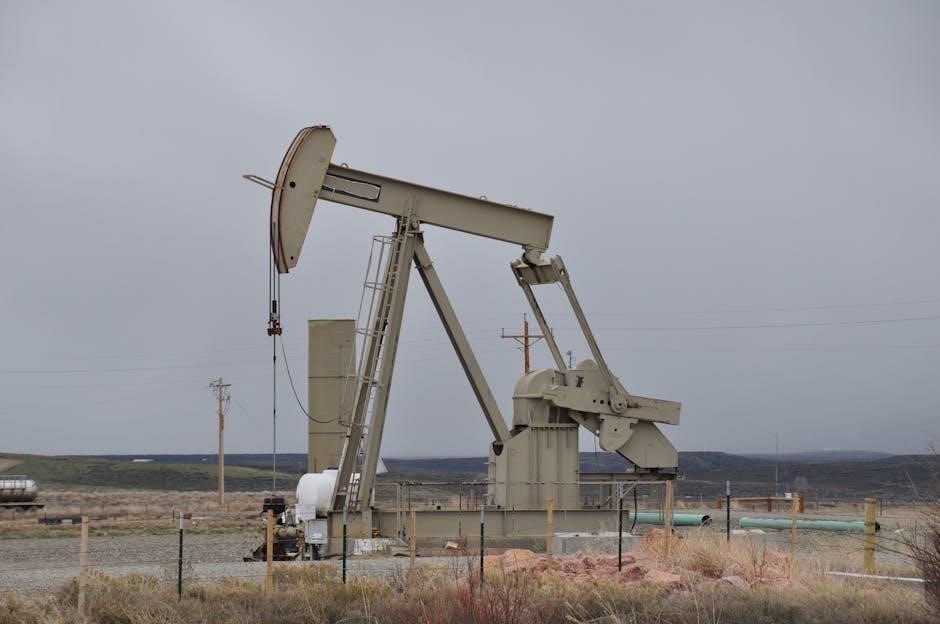
YouTube has emerged as a critical platform for documenting and disseminating information about manual drilling techniques. From footage of rat-hole mining rescue operations in Uttarakhand to independent oil prospecting in Myanmar, the platform provides a visual record of these practices.
Channels dedicated to engineering, survival skills, and DIY projects frequently feature demonstrations of manual drilling methods, tool construction, and geological considerations. This accessibility fosters knowledge sharing and innovation within the field.
The official YouTube app, available on Android devices, allows for easy access to this wealth of information. Furthermore, the YouTube Music channel highlights relevant content, while the official blog offers insights into platform updates and creator spotlights, enriching the learning experience.
Future Trends in Manual Drilling
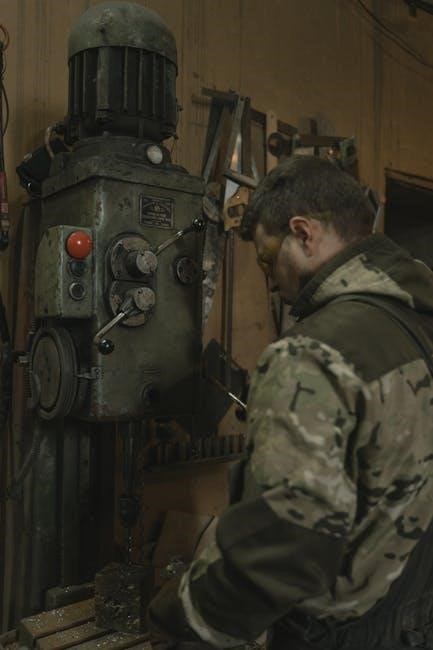
Despite advancements in mechanical drilling, manual drilling is poised for continued relevance, driven by specific needs and technological integrations. A key trend involves optimizing existing techniques with enhanced, lightweight materials – particularly composite materials reinforced with carbon or glass fibers – improving tool durability and efficiency.
Increased focus on remote area exploration and emergency rescue operations will necessitate portable, self-sufficient manual drilling systems. Expect innovations in hand-powered rigs and auger designs, prioritizing ease of transport and rapid deployment.
YouTube documentation and online communities will play a crucial role in disseminating best practices and fostering collaborative development. Furthermore, integrating data logging and basic geological analysis tools into manual drilling setups will enhance accuracy and inform decision-making.
Manual Drilling in Myanmar: A Case Study
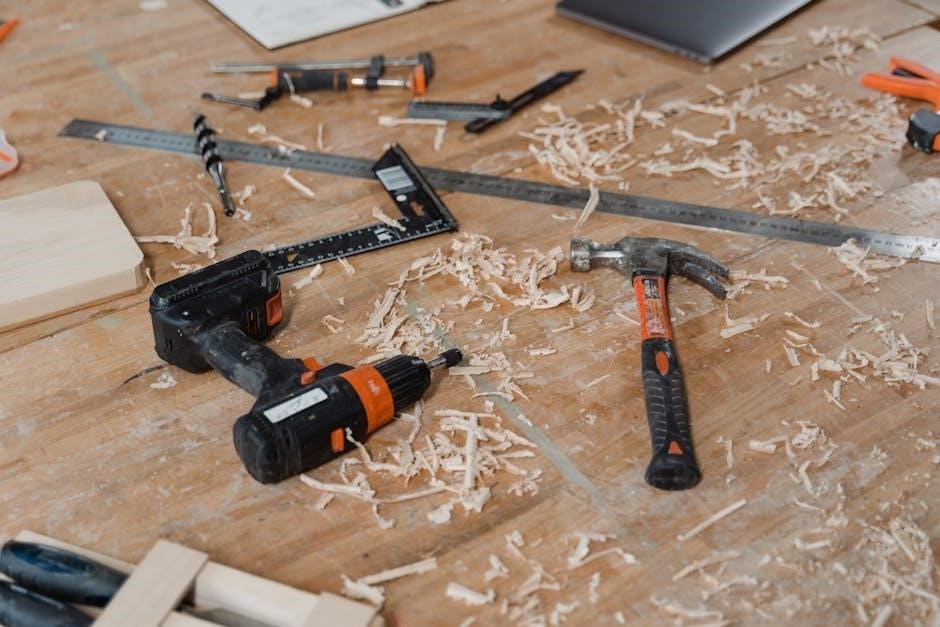
Myanmar presents a compelling case study in widespread manual drilling practices. Across the country, independent laborers engage in grueling, hand-powered oil prospecting, driven by economic necessity and limited access to advanced technology. This practice highlights a reliance on traditional techniques, often involving rudimentary tools and significant physical exertion.
The situation is further complicated by the increasing interest of larger energy companies in Myanmar’s resources. This creates a dynamic where artisanal manual drilling coexists with potential for industrial-scale operations.
Documentary evidence, readily available on platforms like YouTube, showcases the challenging conditions and resourcefulness of these independent drillers. Analyzing this context provides valuable insights into the socio-economic factors driving manual drilling and its potential future within a changing energy landscape.
Resources for Learning More About Manual Drilling
For those seeking deeper understanding of manual drilling, several resources are readily available. YouTube serves as a primary visual repository, showcasing techniques from emergency rescue operations – like the Silkyara tunnel incident – to independent oil prospecting in Myanmar. Searching for terms like “manual drilling,” “rat-hole mining,” and “hand-powered drilling” yields diverse content.
Official YouTube channels, including YouTube Music and the official YouTube blog, offer broader context on video platforms and content creation, indirectly illustrating documentation methods;
Exploring news articles and reports detailing the Myanmar oil prospecting scene provides valuable real-world case studies. Furthermore, researching composite material applications in drilling tools, as highlighted in engineering discussions, expands technical knowledge. Official YouTube help centers also offer guidance on utilizing the platform for research.
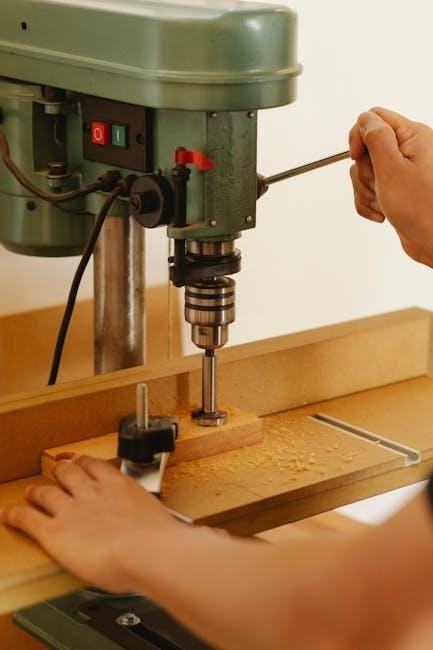
Manual drilling represents a foundational approach to subsurface access, evidenced in contemporary events like the 2025 Uttarkashi tunnel rescue and persistent practices in regions like Myanmar. This technique relies on human muscle power, employing simple tools to penetrate earth and rock, offering a low-tech alternative to mechanized methods.
YouTube emerges as a crucial platform for documenting these methods, showcasing both emergency applications and independent resource extraction. The platform hosts footage of “rat-hole mining” and hand-operated rigs, providing visual learning resources.
Furthermore, the increasing use of composite materials in drilling tools, alongside YouTube’s official blog and help center, highlights the intersection of traditional techniques and modern advancements in material science and information dissemination.