
CFL Guides: A Comprehensive Overview (Updated December 14, 2025)
CFL guides illuminate energy-efficient lighting options, detailing the evolution of compact fluorescent lamps as replacements for traditional incandescent and halogen bulbs.
What are CFL Bulbs?
CFL bulbs, or compact fluorescent lamps, represent a significant advancement in lighting technology, offering a more energy-efficient alternative to traditional incandescent and halogen bulbs. These lamps are essentially miniaturized fluorescent lights, designed to fit into the standard sockets commonly found in homes and businesses.
Unlike incandescent bulbs that produce light by heating a filament, CFLs generate light by passing an electric current through a tube containing argon and mercury vapor. This process excites the mercury atoms, which then emit ultraviolet (UV) light; A phosphor coating on the inside of the tube converts the UV light into visible light.
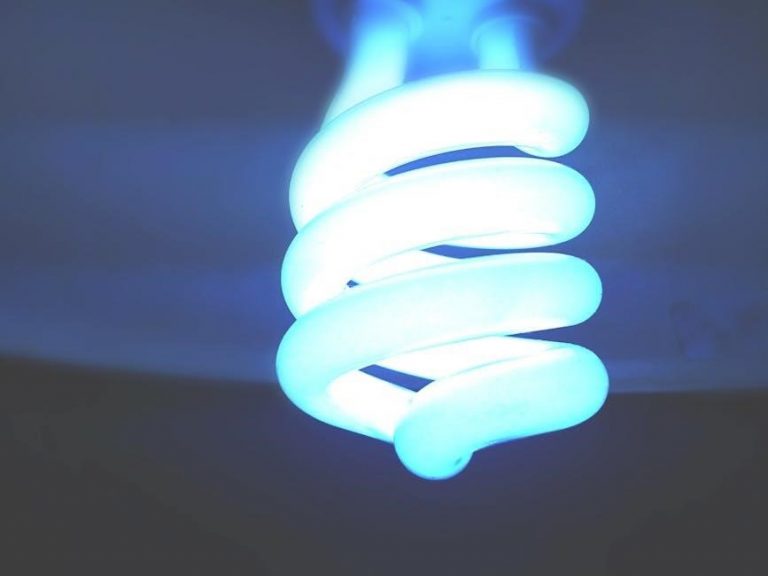
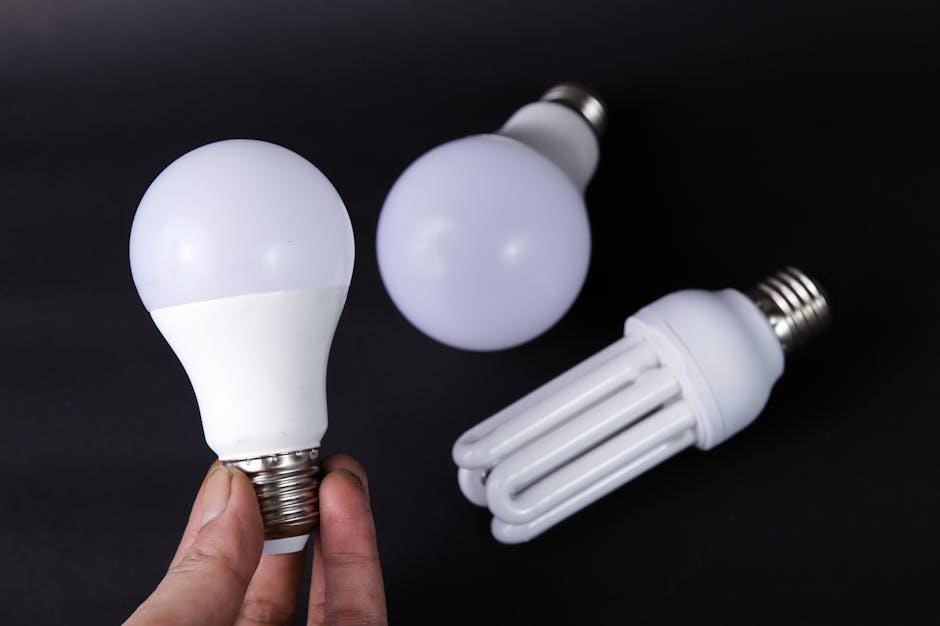
CFLs come in various shapes and sizes, including spiral shapes and those designed to mimic the appearance of traditional bulbs. They are categorized as a prominent light bulb type alongside LEDs, incandescent, and halogen options.
The History and Evolution of CFL Technology
The origins of CFL technology trace back to the early 20th century with the development of fluorescent lighting. However, the creation of a compact fluorescent lamp suitable for widespread residential use took several decades. Initial attempts faced challenges in miniaturization and adapting the technology to standard screw-in bases.
Significant progress occurred in the 1980s and 1990s, driven by growing energy concerns and government initiatives promoting energy efficiency. These efforts led to the development of self-ballasted CFLs, eliminating the need for external ballasts and simplifying installation.
Over time, CFLs have undergone continuous refinement, improving their light quality, lifespan, and reducing their mercury content. They’ve evolved significantly since their inception, becoming a popular choice for energy-conscious consumers seeking alternatives to traditional lighting.
CFL Bulb Types and Base Configurations
CFL bulbs aren’t one-size-fits-all; they come in various types defined by their base configurations. These configurations ensure compatibility with different fixtures. Primarily, CFLs are categorized as either pin-based or medium screw-based.
Pin-based CFLs utilize two or four pins to connect to the socket, often found in recessed lighting and some fixtures designed specifically for this type. Medium screw-based CFLs, like their incandescent counterparts, screw into standard sockets (E26/E27).
For high-wattage applications, particularly in industrial or outdoor settings, E40 base CFLs are employed. Understanding these base types is crucial when replacing bulbs, ensuring a proper fit and functionality. A helpful identification guide assists in navigating these options.
Pin-Based CFLs
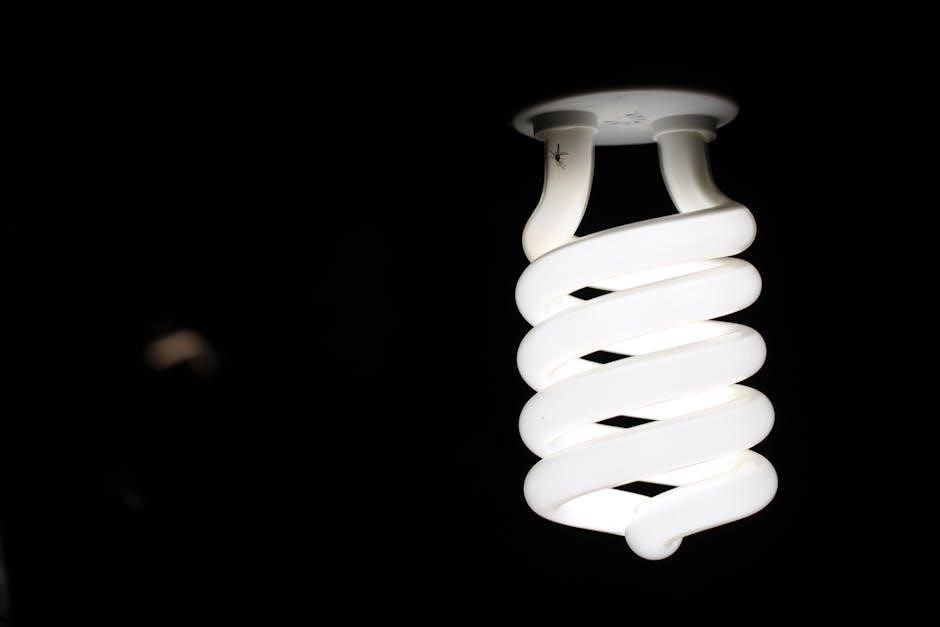
Pin-based CFLs distinguish themselves through their connection method, utilizing pins instead of a threaded base. Typically featuring two or four pins, these bulbs are designed to plug directly into compatible sockets, commonly found in recessed lighting fixtures and specialized lighting applications.
This configuration allows for a compact design, making them suitable where space is limited. While offering efficient illumination, pin-based CFLs require fixtures specifically designed to accommodate their pin connections. They aren’t interchangeable with standard screw-in sockets.
Careful consideration of fixture compatibility is essential when selecting pin-based CFLs. They represent a viable energy-saving option for appropriate lighting setups, providing a focused and efficient light source.
Medium Screw-Based CFLs (E26/E27)
Medium screw-based CFLs, identified by the E26 (North America) or E27 (Europe) designation, represent the most common type of compact fluorescent lamp. These bulbs are designed to directly replace traditional incandescent bulbs, screwing into standard light sockets found in most homes and businesses.
Their widespread compatibility makes them a convenient and accessible energy-saving solution. Available in various shapes and wattages, they cater to diverse lighting needs, from general illumination to task lighting. The E26/E27 base ensures easy installation without requiring fixture modifications.
These CFLs offer a familiar form factor, simplifying the transition to more efficient lighting. They are a practical choice for upgrading existing lighting systems, reducing energy consumption and lowering electricity bills.
E40 Base CFLs ⎻ High Wattage Applications
E40 base CFLs are specifically engineered for high-wattage applications, typically 65 watts and above, where substantial illumination is required. This larger base size provides the necessary electrical contact and structural support for these more powerful lamps. They are frequently utilized in industrial settings, warehouses, street lighting, and other areas demanding bright, efficient light sources.
Unlike the more common E26/E27 bulbs, E40 CFLs aren’t direct replacements for standard household bulbs. They necessitate fixtures designed to accommodate the larger base. Despite this, they offer significant energy savings compared to traditional high-wattage incandescent or halogen alternatives.
Choosing E40 CFLs ensures robust performance and longevity in demanding environments, reducing maintenance costs and energy expenditure.
Understanding CFL Wattage Equivalency
CFL wattage equivalency is crucial for consumers transitioning from traditional incandescent bulbs. Because CFLs produce the same amount of light using significantly less power, a direct wattage comparison is misleading. A lower wattage CFL can deliver the same brightness as a much higher wattage incandescent bulb.
For example, a 23-watt CFL can often provide the equivalent light output of a 90-100 watt incandescent. Understanding this equivalency allows for accurate energy savings calculations and ensures the desired brightness level is achieved. Packaging typically displays this equivalency clearly, aiding in informed purchasing decisions.

Focusing on lumens, a measure of brightness, rather than watts, is the most effective way to compare light output across different bulb types.
CFL Lifespan and Longevity
CFL lifespan and longevity represent a significant advantage over older lighting technologies. Compact fluorescent lamps generally last considerably longer than incandescent and halogen bulbs, offering substantial cost savings over their lifetime. Typically, CFLs boast a lifespan ranging from 8,000 to 15,000 hours, translating to approximately 8 to 10 years of use based on average usage patterns.
In contrast, incandescent bulbs average only 750-2,000 hours, and halogen bulbs last between 2,000-4,000 hours. Frequent replacements are minimized with CFLs, reducing both the financial burden and the inconvenience. However, lifespan can be affected by factors like switching frequency and operating temperature.
Consistent use generally maximizes a CFL’s longevity.
Comparing CFL Lifespan to Incandescent, Halogen, and LED Bulbs
Comparing CFL lifespan to other bulb types reveals a clear advantage in longevity. Incandescent bulbs, the oldest technology, typically last between 750 and 2,000 hours – requiring frequent replacements. Halogen bulbs offer a slight improvement, with a lifespan of 2,000 to 4,000 hours, but still fall short of CFLs.
CFLs themselves generally provide 8,000 to 15,000 hours of illumination, significantly reducing replacement frequency. However, Light Emitting Diode (LED) bulbs currently lead the pack, boasting lifespans of up to 25,000 hours or even longer.
While CFLs offer a substantial upgrade over incandescent and halogen options, LEDs represent the most durable and long-lasting lighting solution available today, though initial costs are typically higher.
Energy Efficiency of CFLs
CFLs are renowned for their superior energy efficiency compared to traditional lighting. Compact fluorescent lamps consume approximately 75% less energy than incandescent bulbs while producing the same amount of light. This substantial reduction translates directly into lower electricity bills and a decreased carbon footprint.
The efficiency stems from the way CFLs generate light – utilizing a gas discharge process rather than a heated filament. While halogen bulbs offer some improvement over incandescent, they still lag behind CFLs in energy savings.
Although LEDs now surpass CFLs in efficiency, compact fluorescents were a pivotal step towards more sustainable lighting practices, offering a significant improvement over older technologies and paving the way for even greater advancements.
The Benefits of Using CFL Bulbs
CFL bulbs offer a multitude of advantages, making them a practical choice for many households. Beyond significant energy efficiency and cost savings on electricity bills, they boast a considerably longer lifespan than incandescent bulbs – lasting up to 10 times longer. This reduces the frequency of replacements, saving both time and money.
CFLs also generate less heat than traditional bulbs, contributing to cooler rooms and potentially lowering air conditioning costs. They are available in various shapes and sizes, fitting a wide range of fixtures.
While LEDs are now often preferred, CFLs represented a substantial improvement in lighting technology, offering a balance of affordability, efficiency, and longevity when they first gained popularity.
Potential Drawbacks and Concerns with CFLs
Despite their benefits, CFL bulbs present certain drawbacks. A primary concern is their mercury content, requiring careful disposal procedures to prevent environmental contamination. Broken bulbs necessitate a specific cleanup process to avoid mercury exposure.
Some individuals experience sensitivity to the light emitted by CFLs, noting potential issues like flickering or glare. While lifespan is longer than incandescent bulbs, it’s shorter than LEDs. Initial purchase costs, though decreasing, can be higher than traditional options.
Furthermore, CFLs don’t perform optimally in frequently switched environments, potentially shortening their lifespan with repeated on/off cycles. These factors contribute to the growing preference for LED alternatives.
Mercury Content and Disposal

CFL bulbs contain a small amount of mercury, a neurotoxin, which enables them to produce bright light efficiently. This necessitates responsible disposal practices, as improper handling can release mercury into the environment, posing health risks.
Unlike incandescent bulbs, CFLs shouldn’t be thrown in regular trash. Many retailers offer recycling programs, and local household hazardous waste facilities accept them. If a bulb breaks, avoid vacuuming, as this can spread mercury vapor. Instead, carefully collect fragments and place them in a sealed container.
Ventilate the room and follow EPA guidelines for cleanup. Proper disposal minimizes environmental impact and safeguards public health, addressing a key concern associated with CFL technology.
Choosing the Right CFL Bulb for Your Needs
Selecting the appropriate CFL bulb involves considering several factors. First, determine the desired brightness, using wattage equivalency charts to match CFL wattage to traditional incandescent levels. Next, assess the base type – pin-based or medium screw-based – to ensure compatibility with your fixtures.
Consider the intended use; different areas benefit from varying color temperatures. Warm white creates a cozy ambiance, ideal for living rooms, while cool white is better suited for task lighting in kitchens or offices. Pay attention to the CRI (Color Rendering Index) for accurate color representation.
Finally, evaluate bulb shape and size to fit your fixtures properly. Careful consideration of these elements guarantees optimal performance and satisfaction.
CFL Color Temperature and CRI (Color Rendering Index)
CFL color temperature, measured in Kelvin (K), significantly impacts the ambiance of a space. Lower Kelvin values (around 2700K) produce warm white light, creating a cozy and inviting atmosphere, perfect for bedrooms and living areas. Higher values (5000K-6500K) yield cool white light, ideal for task-oriented spaces like kitchens and offices, promoting alertness.

The Color Rendering Index (CRI) measures how accurately a light source renders colors compared to natural sunlight. A higher CRI (closer to 100) indicates more accurate color representation. For applications where color accuracy is crucial – such as art studios or retail displays – prioritize CFLs with a high CRI.
Balancing color temperature and CRI ensures both aesthetic appeal and functional lighting.
Warm White vs. Cool White CFLs
Warm white CFLs, typically ranging from 2700K to 3000K, emulate the soft, yellowish glow of incandescent bulbs. They foster a relaxing and comfortable environment, making them excellent choices for living rooms, dining rooms, and bedrooms where a cozy atmosphere is desired. These CFLs are often preferred for creating a welcoming ambiance.
Conversely, cool white CFLs, generally between 3500K and 4100K, emit a brighter, more energizing light resembling daylight. They are well-suited for task lighting in kitchens, bathrooms, and workspaces, enhancing visibility and focus. This type promotes alertness and is ideal for areas requiring detailed work.
Selecting between warm and cool white depends entirely on the intended use and desired mood.
How to Properly Install a CFL Bulb
Proper CFL bulb installation begins with ensuring the power is completely switched off at the circuit breaker or fuse box. Never attempt installation with the power on! Carefully remove the old bulb, allowing it to cool if recently used. Inspect the socket for any damage before proceeding.
For medium screw-based CFLs (E26/E27), simply screw the bulb clockwise into the socket until snug, but avoid over-tightening. Pin-based CFLs require aligning the pins with the corresponding holes in the socket and gently pushing until securely seated.
Once installed, restore power and test the bulb. If it doesn’t illuminate, double-check the connection and ensure the bulb is compatible with the fixture.
CFL Bulb Recycling and Disposal Procedures
CFL bulbs contain a small amount of mercury, necessitating careful recycling and disposal. Do not simply throw them in the trash! Many retailers, like hardware stores, offer free CFL recycling programs. Local household hazardous waste collection centers are also excellent options.
If recycling isn’t immediately accessible, store spent bulbs in a sealed container in a safe, dry location, away from children and pets. Avoid breaking the bulbs, as this releases mercury vapor.

Check with your local municipality for specific CFL disposal guidelines. Proper handling protects both the environment and public health, ensuring responsible end-of-life management.
CFL vs. LED: A Detailed Comparison
CFLs and LEDs both offer significant energy savings over incandescent bulbs, but differ in key aspects. LEDs generally boast a longer lifespan – 25,000+ hours versus 8,000-15,000 hours for CFLs. While CFLs were initially cheaper, LED prices have fallen dramatically, often making them comparable.
LEDs are also more durable and contain no mercury, simplifying disposal. CFLs, due to their mercury content, require special recycling procedures. LEDs reach full brightness instantly, while CFLs may take time to warm up.
Furthermore, LEDs are more directional in their light output, offering greater control, and are generally more efficient, converting more electricity into light.
Troubleshooting Common CFL Issues
CFL bulbs, while efficient, can sometimes present issues. A frequent problem is CFL bulb flickering, often caused by a loose connection or dimmer switch incompatibility. Ensure the bulb is securely screwed into the socket and that the dimmer is CFL-compatible.

Another common issue is delayed startup, especially in cold temperatures – this is normal, but prolonged delays could indicate bulb failure. If a CFL doesn’t illuminate at all, check the circuit breaker and try a different bulb.
Humming noises can sometimes occur, usually harmless, but persistent issues warrant bulb replacement. Remember to handle broken CFLs with care due to mercury content.
CFL Bulb Flickering

CFL bulb flickering is a common issue with several potential causes. Often, it stems from a simple loose connection within the socket; ensure the bulb is firmly screwed in. Incompatibility with dimmer switches is another frequent culprit – standard dimmers aren’t designed for CFLs and can induce flickering.
Using a CFL-compatible dimmer switch resolves this. Voltage fluctuations in the electrical circuit can also contribute to the problem. Occasionally, flickering indicates the bulb is nearing the end of its lifespan.
If the flickering persists after checking these factors, the bulb may be defective and should be replaced. Always handle broken CFLs carefully due to their mercury content.
Where to Buy CFL Bulbs
CFL bulbs, while increasingly replaced by LEDs, are still available from a variety of retailers. Major home improvement stores like Home Depot and Lowe’s typically stock a selection, though inventory may vary depending on location and demand. Big-box retailers such as Walmart and Target also carry CFL options, often at competitive prices.
For more specialized needs or specific base types, hardware stores and electrical supply companies are excellent resources. Online marketplaces like Amazon offer a vast selection, providing convenience and often, detailed product information.
Local grocery stores and pharmacies may carry limited quantities of common CFL bulbs. Checking store websites for availability before visiting is recommended.
Current Market Trends in CFL Lighting
CFL lighting is currently experiencing a significant decline in market share, largely due to the increasing affordability and efficiency of LED technology. While still available, CFL bulb production is decreasing as manufacturers shift focus towards LEDs. Demand is primarily driven by consumers seeking lower upfront costs or those replacing existing CFL bulbs.
Retailers are reducing shelf space dedicated to CFLs, and promotional offers are less frequent. The market is seeing a consolidation of CFL offerings, with fewer wattage and color temperature options available.
Despite the downturn, a niche market remains for specific applications where CFLs still offer a cost-effective solution, particularly in areas with limited access to LED alternatives.
Future of CFL Technology
The future of CFL technology appears limited, with innovation largely stalled due to the dominance of LED lighting. While incremental improvements in efficiency and lifespan are possible, significant breakthroughs are unlikely. Research and development efforts have largely shifted away from CFLs towards more promising lighting solutions.
Potential future developments might focus on reducing mercury content further and improving recycling processes to mitigate environmental concerns. However, these advancements are unlikely to reverse the overall market trend.
CFLs may continue to exist in specific, niche applications where cost is a primary concern, but their long-term viability is questionable as LED prices continue to fall and performance improves. The technology’s role will likely diminish over time.